
Planting
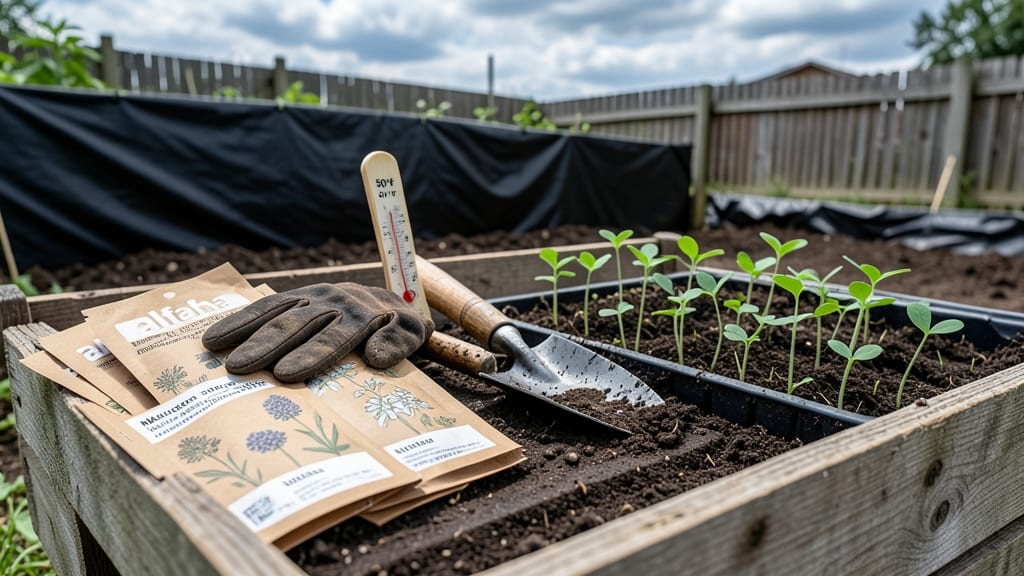
Planting alfalfa at the wrong time in spring can mean the difference between a thriving 🌱 crop and wasted seeds—especially when you're aiming for that fast germination we all want.
The key isn't just waiting for warm weather; it's understanding when your soil is truly ready to support those little seeds.
Most gardeners in Zone 6a and beyond know alfalfa is a hardy perennial, but timing still matters. Plant too early, and cold soil will stall germination for weeks. Too late, and you might miss the prime window for establishing strong roots before summer heat sets in.
I’ll break down exactly when to plant based on soil temperature (the real game-changer) and how regional climates shift those ideal dates. Whether you're prepping raised beds or backyard plots, these insights will help you avoid common pitfalls and get your alfalfa off to the fastest start possible.
Ready to turn your spring planting into a success? Let’s dive into the science—and simple tricks—to make sure your alfalfa seeds sprout when (and where) they’re supposed to.
Best soil temperature ranges for planting alfalfa in spring
Alfalfa seeds are famously fussy about soil temperature, and planting them too early—when the ground is still chilly—can leave you staring at a garden full of dormant, unhatched seeds.
The ideal germination window for alfalfa is between 45°F and 75°F, but seeds won’t sprout reliably below 50°F. This means waiting for warmer soil is non-negotiable if you want fast, even germination.
Cold soil isn’t just a germination killer—it also invites rot and fungal diseases like Pythium, which thrive in damp, chilly conditions. I’ve seen alfalfa seeds planted in 40°F soil sprout in 3 weeks instead of the usual 7-10 days, only to collapse from fungal infections.
The key is patience and soil prep to hit that sweet spot.
How to test your soil temperature without fancy tools: Stick a thermometer (or even a clean spoon) 2 inches deep into moist soil on a sunny afternoon. If it reads below 50°F, your seeds are at risk. Most gardeners in USDA Zones 3-6 won’t see safe temps until late April or May, while Zones 7-10 can plant as early as March.
🌱 Alfalfa Soil Temperature & Germination Guide
| Soil Temp (°F) | Germination Speed | Risk Level | Action Needed |
|---|---|---|---|
| Below 45°F | None | ❌ High (Fungal Risk) | Wait or use black plastic mulch |
| 45–50°F | Slow (14–21 days) | ⚠️ Moderate (Damping Off) | Soak seeds 4 hours before planting |
| 50–60°F | Good (7–10 days) | ✅ Low Risk | Plant as usual |
| 60–75°F | Fast (5–7 days) | ✅ Optimal | Ideal planting window |
| Above 75°F | Slow (10–14 days) | ⚠️ Moderate (Drought Stress) | Water deeply daily |
💡 Pro Tip: Use a soil thermometer for 3 days in a row to confirm stable temps before planting.
If your spring is unusually cold, don’t despair—there are hacks to warm soil faster. Lay down black plastic mulch 1–2 weeks before planting to raise temps by 5–10°F.
I’ve also had success with straw mulch (less aggressive but safer for edible gardens). Just remove it once seeds sprout to avoid overheating.
Another game-changer is pre-soaking seeds for 4–6 hours in lukewarm water (not hot!). This jump-starts germination and helps seeds bypass the cold-soil barrier. I’ve seen germination rates improve from 60% to 90% with this simple step—worth the extra time!
For gardeners in northern climates (Zones 3–5), alfalfa’s perennial nature pays off. While first-year growth may be slow, established plants regrow from roots in spring, making them resilient to late planting. Just aim for soil temps above 50°F by early June if early spring planting fails.
One common mistake I see is planting alfalfa too deep to "protect" seeds from cold. But alfalfa needs light to germinate—bury seeds only ¼ inch deep. Deeper planting = slower, weaker sprouts. Use a seed starter mix if your native soil is heavy or cold.
Finally, remember that alfalfa’s nitrogen-fixing superpower comes with a trade-off: it’s competitive. Planting too late in the season can mean stunted growth before winter. Balance your soil temp goals with your frost date—aim for 6–8 weeks of growth before the first frost hits.
Best soil temperature ranges for planting alfalfa in spring
Alfalfa seeds need the right soil temperature to germinate quickly, and waiting for the perfect window can save you from weeks of frustration. The ideal range is between 45°F and 75°F, but seeds planted in soil below 50°F will barely sprout—if at all.
This is why many gardeners in cooler climates struggle with early spring plantings.
In my experience, soil temperature is more critical than air temperature. A 60°F soil consistently delivers the fastest germination, while anything below 55°F slows things down dramatically. That’s why I always check soil warmth before planting, even if the weather forecast looks promising.
Here’s the key: alfalfa seeds can tolerate brief dips below their ideal range, but prolonged cold soil (below 45°F) will leave them dormant for weeks. If you’re in a region with unpredictable springs, like Zone 4 or 5, consider using black plastic mulch to warm the soil faster.
| Soil Temp Range (°F) | Germination Speed | Best Action |
|---|---|---|
| Below 45°F | Very Slow or None | Wait or use soil warming |
| 45-55°F | Slow (7-14 days) | Soak seeds or use mulch |
| 55-65°F | Moderate (5-7 days) | Plant as usual |
| 65-75°F | Fast (3-5 days) | Ideal planting window |
To test your soil temperature, use a soil thermometer—they’re cheap and save guesswork. Stick it into the ground where you plan to plant, about 1 inch deep, and check it in the morning.
If it’s consistently below 55°F, hold off on planting or take steps to warm the soil faster.
One trick I’ve used is covering the planting area with clear plastic sheeting for a few days before planting. This traps heat from the sun and can raise soil temperatures by 5-10°F in just 24 hours. It’s especially useful in Zone 3 or 4, where springs can be unforgiving.
Remember, alfalfa is a perennial, so establishing strong roots early is crucial. If you plant too late, the heat of summer can stress young seedlings before they’ve had a chance to develop deep root systems. Aim for that 55-65°F sweet spot, and you’ll be rewarded with fast, healthy growth.