
Planting
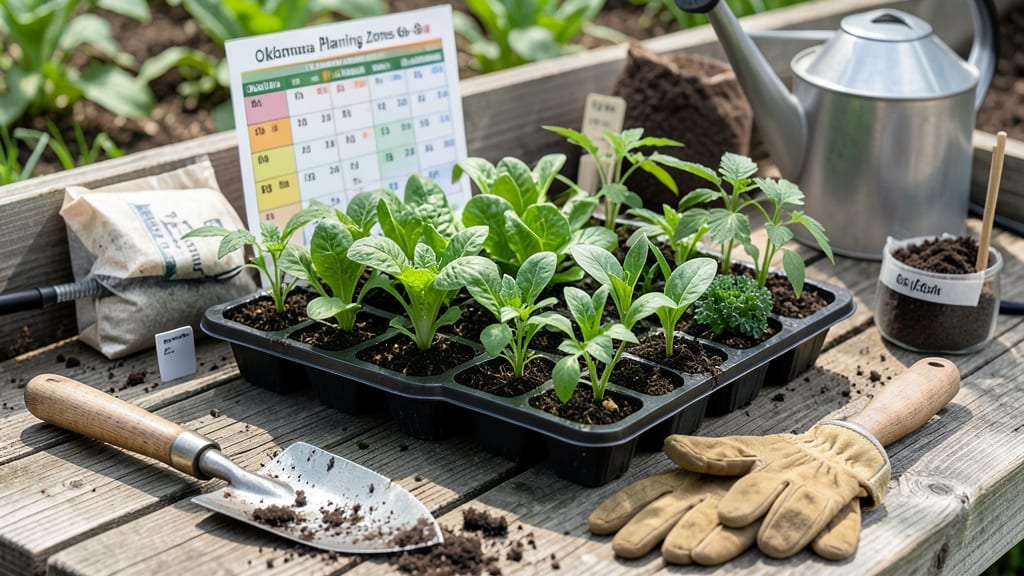
Timing when to plant a vegetable garden in Oklahoma isn’t just about throwing seeds into the dirt—it’s the difference between a thriving harvest and a sad, wilted disappointment.
The key to success? Planting when soil temperatures hit the sweet spot for fast germination, because even the hardiest plants struggle when conditions are off.
Oklahoma’s USDA Zones 6b-8a bring unique challenges, from unpredictable spring rains to scorching summer heat. But here’s the good news: with the right timing, you can outsmart Mother Nature and enjoy fresh tomatoes, crisp lettuce, and juicy peppers all season long.
Let’s break down exactly when to plant for maximum speed and minimum hassle.
Whether you’re a first-time gardener or a seasoned green thumb, knowing when to start seeds indoors versus transplanting outdoors can save you weeks of waiting.
We’ll cover the ideal planting windows for both cool-season and warm-season crops, so you never miss a beat—no matter if you’re in Tulsa or Oklahoma City.
Ready to turn your garden into a high-speed harvest machine? Stick around, and I’ll show you how to read soil temperatures, adjust for Oklahoma’s microclimates, and even extend your growing season with clever tricks. Your freshest, fastest veggies are just a few weeks away!
Oklahoma’s planting zones: when to start seeds vs. transplants by month
Oklahoma’s USDA Hardiness Zones 6b-8a create unique planting challenges, with northern regions facing earlier frosts than southern areas. For example, Tulsa (Zone 7a) has a last frost date around March 15, while Oklahoma City (Zone 7b) averages March 20.
These differences mean your planting timeline should shift based on your exact location.
Cool-season crops like lettuce, spinach, and peas thrive when planted 4-6 weeks before your last frost date. In northern Oklahoma, that means starting seeds indoors by mid-February or sowing directly in early March.
Meanwhile, warm-season crops like tomatoes and peppers need to wait until 2-4 weeks after your last frost, typically mid-April to early May.
Here’s a quick guide to align your planting with Oklahoma’s microclimates. Use these timelines as a starting point, then adjust based on your specific frost dates and soil conditions.
| Crop Type | Start Seeds Indoors | Transplant Outdoors | Direct Sow Outdoors | Harvest Window |
|---|---|---|---|---|
| Cool-Season (Spring) | Mid-February | Late March | Early March - Mid-April | May - June |
| Lettuce, Spinach, Peas | Late February | Late March - Early April | Early March | April - May |
| Warm-Season (Summer) | Late March - Early April | Mid-April - Early May | Late April - Early June | July - September |
| Tomatoes, Peppers, Squash | Early April | Mid-April - Early May | Late May | July - October |
| Cool-Season (Fall) | Late June - Early July | Late July - Early August | Mid-August - Early September | September - October |
| Kale, Broccoli, Carrots | Late June | Early August | Mid-August | October - November |
For northern Oklahoma, like Enid or Woodward, shift these timelines 2-3 weeks earlier to account for colder springs. Conversely, southern Oklahoma, including Lawton or Altus, can plant 2-3 weeks later thanks to milder winters.
Always check local frost dates from the Oklahoma State University Extension for precise guidance.
If you’re unsure about your last frost date, use a frost calendar or plant heat-loving crops like okra or sweet potatoes after May 15, as they tolerate heat better than other vegetables. These crops can handle warmer soil temperatures and won’t bolt in Oklahoma’s summer heat.
Pro tip: Succession planting is key in Oklahoma’s short growing season. For example, sow lettuce every 2 weeks from March through September to ensure a continuous harvest. This works especially well for bush beans, radishes, and turnips, which mature quickly.
Remember, soil temperature is just as critical as air temperature. Even if the air is warm, c
Soil temperature rules for fast germination: what Oklahoma gardeners must check
Oklahoma’s soil temperature is the #1 factor determining when your seeds will sprout—too cold, and they’ll rot; too hot, and they’ll dry out. Unlike northern states, Oklahoma’s USDA Zones 6b-8a mean soil warms quickly in spring, but timing varies by region.
For example, northern Oklahoma’s soil may still be 45°F in March, while southern Oklahoma hits 60°F by early April.
Most cool-season crops like lettuce and peas thrive when soil temps are between 40°F and 50°F. But warm-season favorites like tomatoes and peppers need soil at least 60°F—planting too early means slow germination or no germination at all.
I’ve learned the hard way that rushing warm-season seeds in 50°F soil often leads to seedling failure.
Here’s how to check your soil temperature accurately: Use a soil thermometer (available for $10 at garden centers) and insert it 2 inches deep—this mimics where most seeds germinate. Test in the morning (soil is cooler) and afternoon (soil is warmer) to get a realistic range.
For fast germination, aim for planting when soil temps are consistently at the minimum threshold for your crop.
🌱 Optimal Soil Temps for Fast Germination
If your soil is too cold for warm-season crops, try black plastic mulch or row covers to warm it up by 5-10°F. I’ve seen gardeners in northern Oklahoma use this trick to plant tomatoes 2 weeks earlier than usual.
For cool-season crops, wait until soil temps rise above 50°F in late summer to avoid bolting (premature flowering).
Oklahoma’s heatwaves can also throw off timing. If soil temps spike above 90°F before your warm-season seeds are ready, delay planting until evening or use shade cloth to protect seedlings.
I once lost a batch of pepper seeds because I planted them when a sudden heatwave pushed soil temps to 95°F—they simply refused to germinate.
Pro tip: Use a seedling heat mat ($15-$20) for indoor starts to ensure consistent 70-75°F soil temps. This gives you a 4-6 week head start on the growing season, especially for slow-germinating crops like okra and eggplant. Just