
Planting
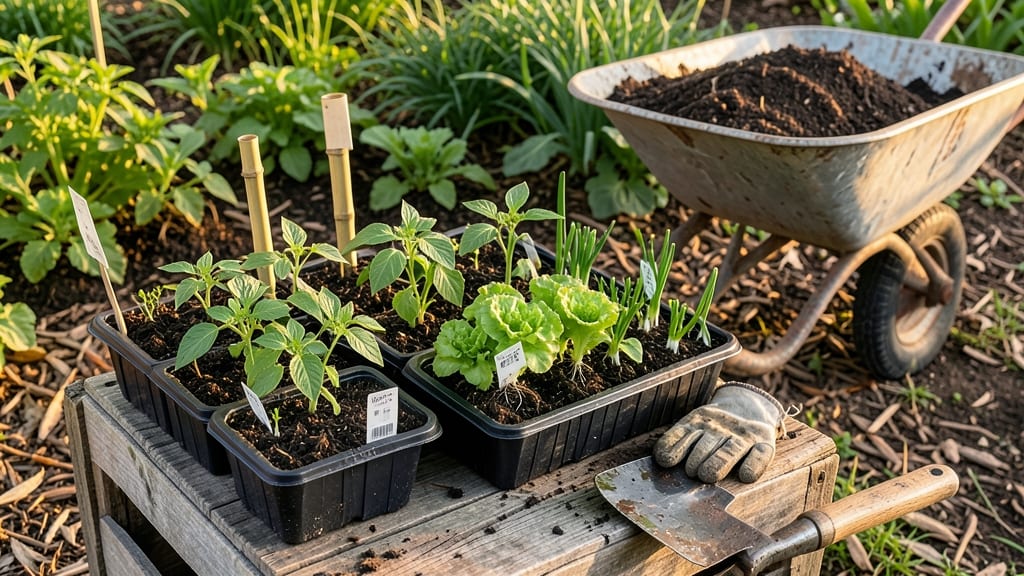
If you’ve ever stared at a seed packet wondering, "when to plant a vegetable garden in Virginia", you’re not alone—timing here isn’t one-size-fits-all. Virginia’s 7a-8a zones mean your neighbor’s perfect planting window might leave your 🥕 garden struggling, while yours could be thriving with the right schedule.
The secret lies in understanding your local microclimate. Coastal areas like Norfolk have milder winters, while the mountains near Roanoke face later last frosts. That’s why I’ve broken down the exact months to start seeds, transplant seedlings, and even extend your harvest with smart planning.
Whether you’re dreaming of crisp spring lettuce or juicy summer tomatoes, this guide will show you how to align your planting with Virginia’s unique rhythm. No more guessing—just peak harvests and fewer wasted seeds.
Let’s dive into the zone-specific charts and month-by-month schedule that’ll turn your garden into a year-round success story. Ready to get growing?
Virginia planting zones explained: when to start seeds vs. transplants by heat unit requirements
Virginia’s USDA zones 5a through 8a create a gardening puzzle—what thrives in Richmond’s zone 7b may fail in Roanoke’s zone 6b. The key? Understanding heat unit requirements (also called growing degree days) and your local last frost date. These determine whether you start seeds indoors or transplant seedlings.
For cool-season crops like kale and spinach, you can plant 6-8 weeks before your last frost. But warm-season crops like tomatoes and peppers need 2-3 weeks after the last frost—unless you use row covers to extend the season. Let’s break down how to match crops to your zone.
🌱 Heat units measure how much warmth a plant needs to grow. For example, tomatoes require 1,200-1,500 heat units, while lettuce needs just 800-1,000. Use NOAA’s climate data to calculate your local heat units and find your ideal transplant window.
🌡️ Last frost dates vary wildly across Virginia:
- Northern VA (5a-6a): April 15–May 1
- Central VA (7a-7b): March 20–April 15
- Southern VA (8a): February 28–March 15
Check your local extension office for precise dates.
Here’s how to align your planting with Virginia’s zones and heat unit needs:
| Zone | Last Frost Date | Cool-Season Crops (Start Seeds) | Warm-Season Crops (Transplant) | Heat Units Needed |
|---|---|---|---|---|
| 5a-6a (Northern VA) | April 15–May 1 | March 1–March 15 | May 15–June 1 | 1,000–1,500 |
| 7a-7b (Central VA) | March 20–April 15 | February 15–March 1 | April 15–May 1 | 1,200–1,600 |
| 8a (Southern VA) | February 28–March 15 | January 15–February 15 | March 15–April 1 | 1,300–1,700 |
For cool-season crops, like broccoli and peas, start seeds indoors 4-6 weeks before your last frost.
Transplant seedlings 2-3 weeks before the last frost to give them time to establish roots. Spinach and lettuce can handle light frosts, so you can sow them as early as February in zone 8a.
Warm-season crops, such as tomatoes, peppers, and cucumbers, need consistent warmth. In zone 5a-6a, wait until after May 15 to transplant seedlings. In zone 7a-8a, you can start as early as April 15, but use row covers if nighttime temps dip below 50°F.
Pro tip: Calculate your heat units using this formula: (Daily High Temp + Daily Low Temp) ÷ 2 – 50°F = Heat Units per Day. Track these over 30-day periods to match your crops’ needs.
If you’re in zone 7b or warmer, you can even try two harvests of warm-season crops—plant early varieties in April and heat-tolerant varieties in July for a fall harvest. Just watch for first frost warnings in October!
For mountain regions (zone 5a-6a), extend your season with cold frames or row covers. These can add 2-4 weeks to your growing window, letting you plant spinach in late summer for a fall harvest.
Remember: Soil temperature matters too. Use a soil thermometer—most seeds need 40-70°F soil to germinate. In Northern Virginia, soil may not warm up until late April or May, even if air temps rise earlier.
Best month-by-month planting schedule for Virginia gardens: what to sow in March vs. August
Virginia’s diverse climate zones mean your March planting in Richmond won’t match Norfolk’s August harvest deadlines. The key? Understanding monthly heat units and crop maturity to sync planting with Virginia’s 180-210 frost-free days.
Below is your actionable calendar, broken into indoor starts, direct sowing, and transplant windows—plus critical deadlines you can’t miss.
For cool-season crops like kale and spinach, start seeds indoors by late February (zone 7a) or early March (zone 8a). These hardy greens tolerate light frosts, so direct-sow 4-6 weeks before last frost—typically mid-March to early April.
Warm-season tomatoes and peppers, however, need soil temps above 60°F, so wait until 2-3 weeks after last frost (usually mid-April to early May) to transplant seedlings.
📅 March: Start basil, broccoli, and cabbage indoors; direct-sow peas and spinach outdoors. 📅 April: Transplant tomatoes and peppers after soil warms; sow beans and corn directly. 📅 May: Plant squash and cucumbers—these heat-lovers thrive in Virginia’s long, hot summers. 📅 August: Shift to fall crops like kale and carrots, sowing seeds for a September harvest before first frost.
🌱 Numbered Highlights: Virginia’s Planting Deadlines
Pro tip: Virginia’s Coastal Plain (zone 8a) has earlier last frosts than the Piedmont (zone 7a), so adjust 2 weeks earlier for Tidewater gardeners. For mountain regions (zone 6a), delay warm-season plants until late May to avoid late spring frosts.
Always check NOAA frost maps for your exact location—a 5-mile elevation change can shift your planting window by 1-2 weeks.
Don’t overlook fall planting—Virginia’s cool autumns are perfect for garlic (plant October–November) and overwintering onions. These low-maintenance crops reward patience with early spring harvests and pest resistance.
Mark your calendar now: August 15 is your last chance to sow cool-season seeds for a fall harvest before first frost.
For container gardeners, extend seasons with black plastic mulch (warms soil 5–10°F faster) or floating row covers to protect seedlings from unpredictable frosts. My personal trick? Use egg cartons as seed starters—they biodegrade and reduce transplant shock for delicate greens like arugula.
Start small, track your local microclimate, and soon you’ll master Virginia’s planting puzzle.