
Plants
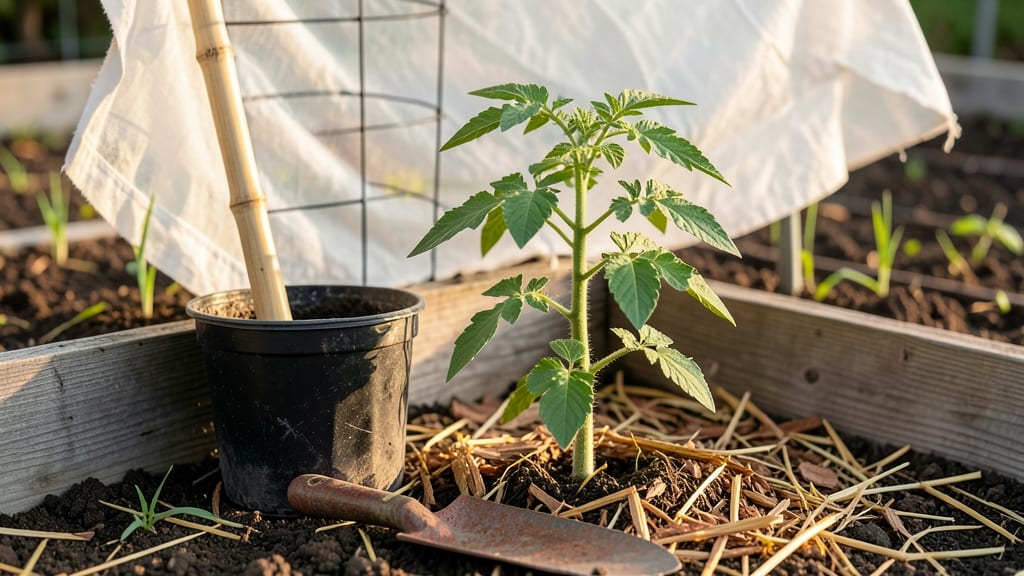
When do you plant tomatoes in Illinois? Timing your tomato planting in the state can mean the difference between a bumper crop of juicy 🍅 and a frost-killed disappointment—so knowing your last frost dates is non-negotiable.
With Illinois' USDA Zones 5-6, gardeners face a tight window between April 15 and May 15 to get seedlings in the ground after the last frost. But here's the catch: Northern Illinois has colder soils that linger longer, while Southern regions warm up faster.
I'll walk you through exactly when to start seeds indoors, when to transplant seedlings, and how to adjust for fall planting if you want a second harvest before winter sets in.
Whether you're a first-time gardener or a seasoned grower, these region-specific deadlines will help you maximize your tomato yield—no more guessing games about frost dates or soil temperatures.
Illinois last frost dates by region: best spring planting windows for tomatoes
Timing your tomato planting in Illinois depends entirely on your last frost date, which varies dramatically from northern to southern regions. In Zone 5 (northern IL), you’ll need to wait until mid-May, while Zone 6 (central/southern IL) can start as early as late April.
These differences mean the gap between planting windows can be 3-4 weeks, so knowing your exact region is critical.
For most Illinois gardeners, the safest rule is to wait until the soil temperature hits 60°F and nighttime temps stay above 50°F. This usually aligns with 2 weeks after the average last frost date.
Using a soil thermometer is my go-to trick—it’s more reliable than guessing by calendar dates alone.
Here’s how to find your local frost dates:
- Check the USDA Plant Hardiness Zone Map for your county
- Look up historical frost data from your local Cooperative Extension Service
- Use weather apps like Old Farmer’s Almanac for real-time updates
🌱 Illinois Tomato Planting Timeline by Region
| Region | USDA Zone | Avg Last Frost | Safe Transplant Window | Indoor Start Date |
|---|---|---|---|---|
| Northern IL | 5a/5b | May 1-15 | May 20-June 1 | March 15-April 1 |
| Central IL | 5b/6a | April 15-May 1 | May 10-May 31 | March 1-April 15 |
| Southern IL | 6a/6b | April 1-April 15 | April 20-May 10 | February 15-March 15 |
*Transplant seedlings when they’re 6-8 inches tall with 5-6 leaves and hardened off for 7-10 days.
If you’re starting seeds indoors, begin 6-8 weeks before your target transplant date. For Northern Illinois, that means early March starts, while Southern Illinois gardeners can start as early as mid-February.
Use grow lights if your windows don’t get enough sunlight—tomatoes need 14+ hours of light daily to thrive.
Pro tip: Use black plastic mulch to warm soil faster and extend your planting window by 1-2 weeks. I’ve seen it raise soil temps by 5-10°F on cooler spring days, which is a game-changer for early plantings. Just
For container gardening, add 2-3 weeks to your transplant window since pots warm up more slowly. Place containers in protected microclimates like near south-facing walls or under cloche covers to buy extra time before the last frost.
One common mistake I see is planting too early and having seedlings bolted by frost. If your plants start flowering before May 15, cover them with frost cloth at night. And if temps drop below 50°F after transplanting, use row covers to protect young plants until they establish roots.
Remember: Tomatoes hate cold feet. Even if daytime temps are warm, cool nights can stunt growth. Wait for consistent warmth—not just a few warm days—to give your plants the best start.
For heirloom varieties, which take longer to mature, aim for the earlier end of your region’s transplant window. Cherry tomatoes and bush varieties can handle slightly cooler temps better than large beefsteaks, so adjust your timing based on what you’re growing.
Fall tomato planting in Illinois: can you grow a second crop before winter?
Yes, you can grow a second crop of tomatoes in Illinois in fall—but timing is everything. While spring planting gets all the attention, fall tomatoes can be just as rewarding if you choose the right varieties and watch daylight hours closely.
Fall planting works best in Southern Illinois (USDA Zone 6) where summers linger longer, but even Northern Illinois gardeners (Zone 5) can succeed with early-maturing varieties. The key is starting seeds or transplants 8-10 weeks before your first frost date, which typically falls around October 15.
I’ve grown fall tomatoes successfully in Champaign by planting determinate varieties like 'Early Girl' in early August. These compact plants produce fruit quickly before cold sets in, giving you a harvest in September or early October.
⚠️ Fall Planting Warning
Don’t rush fall planting! Planting too late risks blossom end rot or fungal diseases from cool, wet soils. Always check soil temps—60°F+ is non-negotiable for healthy growth.
For Northern Illinois, aim to transplant seedlings by mid-August and choose varieties that mature in 50-60 days. In Southern Illinois, you can push it until late August with slightly longer-season varieties like 'Celebrity' or 'Roma'.
Extend your harvest by using row covers or black plastic mulch to trap heat. I’ve added a mini greenhouse over my fall plants in Peoria, which bought me an extra 2-3 weeks of harvest time.
Pro tip: Prune suckers aggressively in fall to redirect energy to fruit production. Also, reduce watering slightly as temps drop—overwatering in cool weather leads to blossom drop. With the right approach, fall tomatoes can be just as productive as spring!