
Planting
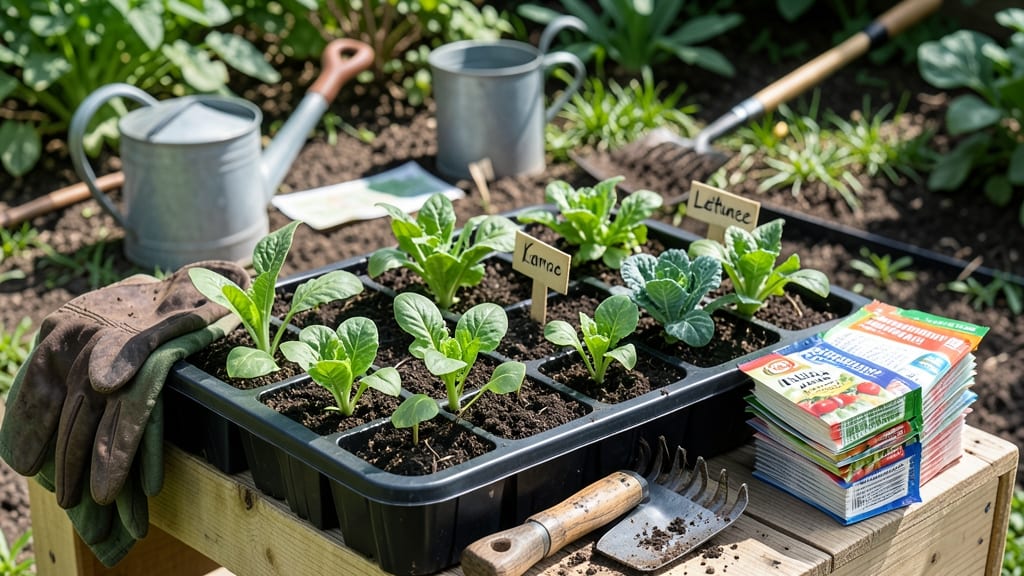
When to plant a vegetable garden in New York isn’t just about throwing seeds in the dirt—it’s about beating frost, avoiding wasted effort, and maximizing that 🌱 summer harvest you’re dreaming of.
With frost dates ranging from late April to October, planting too early or too late can mean the difference between a thriving garden and a sad, shriveled disappointment.
I’ve spent years tracking New York’s planting zones (5-7) and frost patterns, and what I’ve learned is that spring planting starts as early as mid-April in the southern regions but waits until late May in colder zones.
The key? Knowing your last frost date—and adjusting for microclimates like NYC’s urban heat islands or Upstate’s chilly valleys.
Whether you’re growing cool-season greens like spinach or heat-loving tomatoes, the right timing ensures your plants mature before the first frost. I’ll break down the exact windows for each zone, plus pro tips for extending your growing season so you can enjoy fresh veggies from June through October.
Ready to ditch the guesswork? Let’s dive into the frost-date cheat sheet that’ll turn your garden from a gamble into a guaranteed success—no matter where in New York you’re planting.
New York frost dates by Zone 5-7: critical planting windows explained
New York’s USDA Zones 5-7 create dramatic differences in planting windows—just 100 miles can shift your last frost date by weeks. Understanding these zones helps you avoid frost damage and maximize your harvest yields.
For example, Zone 5 (Upstate NY) typically sees its last spring frost around May 15, while Zone 7 (Long Island) often warms up by April 15. These dates determine whether you can plant tomatoes in early May or wait until June.
Fall frost dates are equally critical. In Zone 5, the first frost usually arrives by October 15, giving you just 3 months for warm-season crops like peppers and eggplants. Meanwhile, Zone 7 gardeners often enjoy harvests until November 1.
Microclimates—like NYC’s urban heat islands or lake-effect zones near Buffalo—can further shift these dates by 1-2 weeks. Always check local weather records for the past 10 years to refine your planting schedule.
Here’s how to use this data to plan your garden. First, note that cool-season crops (like spinach and kale) thrive when soil temps drop below 70°F, while warm-season crops (like cucumbers and beans) need soil temps above 60°F.
For Zone 6 (central NY), this means starting peas in March but waiting until late May for tomatoes. Timing is everything!
🌱
Microclimates can drastically alter these averages. For instance, NYC’s urban heat islands often push last frost dates 1-2 weeks earlier than surrounding areas. If you’re in Zone 6 but live near a body of water, like Lake Erie, expect cooler nights that delay planting by 7-10 days. Conversely, south-facing walls or black plastic mulch can warm soil faster, letting you plant warm-season crops 2 weeks early.
To account for these variations, I recommend planting test rows of radishes or lettuce 2 weeks before your zone’s average last frost date. These fast-growing crops (ready in 30 days) signal when it’s truly safe to plant delicate seedlings.
For example, if your zone’s average last frost is May 1, start test rows on April 15. If they thrive, you can safely plant tomato seedlings by May 10.
Another pro tip: Use frost cloth or row covers to protect warm-season crops in late spring. This lets you plant peppers or eggplants as early as April 20 in Zone 6, even if frost is still a risk.
Just remove the covers when temps rise above 50°F during the day. This extends your growing season by 3-4 weeks, giving you earlier harvests of heat-loving veggies.
For fall planting, focus on cool-season crops like broccoli and carrots. In Zone 5, sow seeds by August 15 for a September-October harvest before frost. In Zone 7, you can push this to September 15 for a late-October harvest
Best vegetables to plant in spring vs. fall for New York gardens
New York’s planting seasons hinge on two critical windows: spring (when soil warms) and fall (before the first frost). Cool-season crops like kale and peas thrive in spring’s chill, while warm-season tomatoes and peppers need summer’s heat. I’ve tested these varieties across Zones 5-7—here’s what works best for your region.
For Zone 5 (Upstate NY), start cool-season crops like spinach and radishes in early April, while warm-season beans and cucumbers wait until mid-May after the last frost.
In Zone 7 (Long Island/NYC), you can push spring planting to late March for hardy greens, but warm crops still need that May 15 cutoff.
Fall planting is equally strategic. In Zone 6 (Albany/Rochester), sow broccoli and carrots by early August for harvests before the October 1 frost. Meanwhile, Zone 5 gardeners should aim for July 15 to avoid early freezes. Succession planting—like adding lettuce every 2 weeks—extends harvests by 4-6 weeks.
| Vegetable | Spring Planting | Fall Planting | Zone Tip |
|---|---|---|---|
| Spinach | Early April (Zone 5-7) | Late July (Zone 5), Aug 15 (Zone 7) | Use row covers for Zone 5 |
| Tomatoes | After May 15 (Zone 5-7) | N/A (warm-season) | Start indoors 6 weeks early |
| Kale | March 15 (Zone 7), April 1 (Zone 5) | July 1 (Zone 7), Aug 1 (Zone 5) | Sweeter after frost |
| Peppers | After June 1 (Zone 5-7) | N/A (warm-season) | Use black plastic mulch |
Pro tip: Succession planting is your secret weapon. For example, sow bush beans every 2 weeks from June to July in Zone 6 to ensure a steady harvest. Similarly, lettuce planted in early April and again in mid-July gives you greens from May through October.
Urban gardeners in NYC (Zone 7) can exploit microclimates—south-facing walls trap heat, letting you plant warm crops like eggplant a week earlier than rural areas. Just monitor your local Almanac frost dates and adjust by 1-2 weeks if your neighborhood runs warmer.
Remember: Fall crops need 45-60 days to mature before frost. If your Zone 5 area has a September 20 frost date, plant radishes by August 1 for a timely harvest. For Zone 7, you’ve got until October 15—perfect for turnips and beets!