
Companion Plants
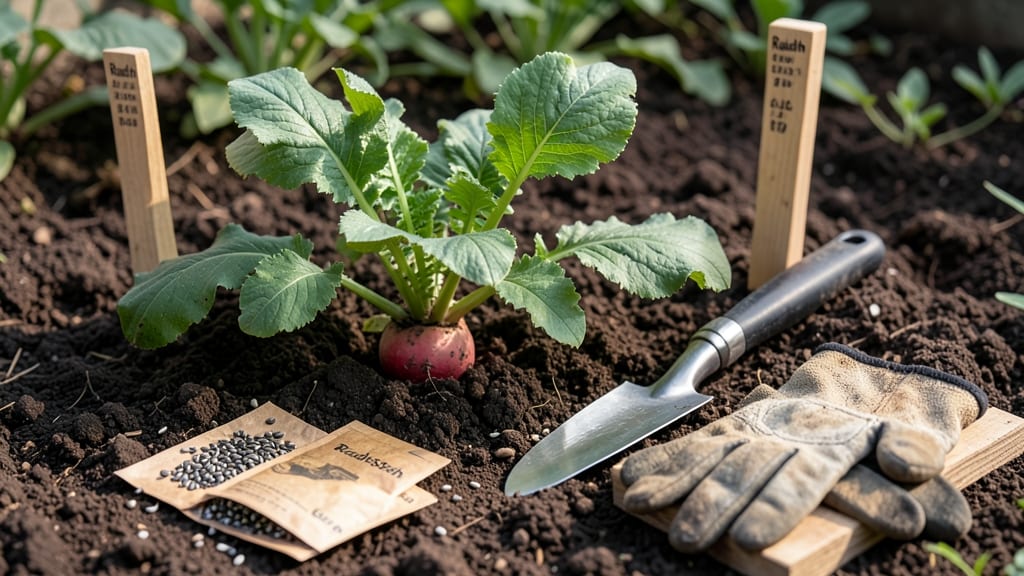
If you're wondering "when can I plant radishes in Zone 5", the answer isn't as simple as just waiting for spring - timing these speedy 🥕 growers right means the difference between tender, crisp harvests and bitter, woody roots.
Zone 5's unpredictable weather makes radishes a perfect crop - they tolerate light frost but bolt when summer heat arrives. The key is planting early spring varieties 4-6 weeks before your last frost (typically mid-March) and late summer crops 6-8 weeks before first frost (around early September).
What I've learned from years of gardening in Zone 5 is that soil temperature matters just as much as calendar dates. Radishes germinate best when soil reaches 40-75°F, so don't rush - wait for that warm-up before sowing seeds.
You'll discover how to stretch your harvest season with succession planting, which variety works best for each window, and exactly when to watch for those first 🥕 to pop up through the soil. Let's get those radishes in the ground at the perfect moment.
Zone 5 radish planting calendar: exact start dates for spring & fall success
In Zone 5, radishes thrive when planted at the right time—too early and they bolt in the heat, too late and frost ruins them. The key is understanding your last frost date (typically April 15) and first frost date (October 15) while accounting for soil temperatures.
Radishes germinate best in 40–75°F soil, so timing matters!
For spring plantings, aim to sow seeds 4–6 weeks before your last frost. This means starting as early as late February to early March if your soil warms quickly.
In fall, plant 6–8 weeks before your first frost, usually late August to early September. These windows ensure you avoid both extreme cold and summer bolting.
Here’s a quick breakdown of your planting windows in Zone 5:
| Season | Planting Window | Soil Temp | Key Notes |
|---|---|---|---|
| Early Spring | Late February–Early March | 40–50°F | Use row covers for frost protection |
| Mid-Spring | Mid-March–Early April | 50–60°F | Ideal for fast-growing varieties |
| Late Summer | Late August–Early September | 60–70°F | Choose heat-tolerant varieties |
| Early Fall | Early–Mid September | 50–60°F | Harvest before first frost |
If you’re unsure about your soil temperature, use a soil thermometer to check before planting. Radishes won’t germinate well below 40°F, so wait for warmer days if early planting is risky. For fall plantings, prioritize slow-bolting varieties like 'French Breakfast' to avoid bitterness as days shorten.
Another pro tip: Succession plant every 2–3 weeks after your initial sowing. Since radishes mature in just 25–30 days, this keeps your harvest steady. For example, plant a new row in mid-April, then again in late April and early May for continuous yields.
Watch for late spring heat waves after May 1, which can cause radishes to bolt prematurely. If temperatures rise above 75°F for more than a few days, opt for shade cloth or switch to slower-maturing varieties like 'White Icicle.'
In fall, a light frost (28–32°F) won’t harm mature radishes, but avoid planting too close to the first frost.
For container gardening in Zone 5, start seeds indoors in early March and transplant outdoors after the last frost. Use 5-gallon pots with drainage holes to prevent waterlogging, which can cause rot.
Containers warm up faster than garden beds, so monitor soil moisture closely—radishes need consistent moisture but hate soggy roots.
Finally, mark your calendar for harvest time. Most radishes are ready in 25–30 days, but check for 1-inch diameter roots and firm skin. Leave them in the ground until you’re ready to eat—they’ll stay crisp longer than stored radishes.
In Zone 5, your first harvests should be ready by late May, with fall crops maturing in September.
With these exact dates and tips, you’ll avoid the bitter radish trap and enjoy sweet, crisp roots all season long! 🥕
Cold-hardy radish varieties for Zone 5: best choices for early & late plantings
Choosing the right radish varieties for Zone 5 is crucial—some handle cool weather better while others bolt quickly when temperatures rise. I’ve grown Cherry Belle, French Breakfast, and White Icicle for years, and they’ve never let me down in my Zone 5 garden.
For early spring plantings, opt for varieties like Cherry Belle (25 days to maturity) or Easter Egg (30 days). These tolerate light frost and thrive in 40–50°F soil. In late summer, French Breakfast (30 days) or White Icicle (28 days) work well—they mature before summer heat triggers bolting.
Here’s how these varieties stack up for Zone 5’s unique climate challenges:
| Variety | Days to Maturity | Best Planting Window | Frost Tolerance | Flavor Profile |
|---|---|---|---|---|
| Cherry Belle | 25 | Early spring, late summer | High (tolerates 28°F) | Sweet, crisp |
| French Breakfast | 30 | Late summer, fall | Moderate (avoid hard frost) | Mild, tender |
| White Icicle | 28 | Early spring, late summer | High (tolerates 25°F) | Peppery, long roots |
| Easter Egg | 30 | Early spring, fall | High (tolerates 28°F) | Colorful, sweet |
Avoid hot-weather varieties like Daikon or Black Spanish in Zone 5—they bolt quickly when temps hit 75°F+. Instead, focus on fast-maturing types that finish before summer heat sets in.
Pro tip: If you’re planting in late summer, choose shorter-day varieties like French Breakfast to delay bolting. And always mulch to keep soil cool and moist—this trick has saved my radishes from bolting more times than I can count!
For fall plantings, aim for varieties like Easter Egg that mature in 30 days or less. This gives them time to grow before first frost (usually mid-October in Zone 5).