
Planting
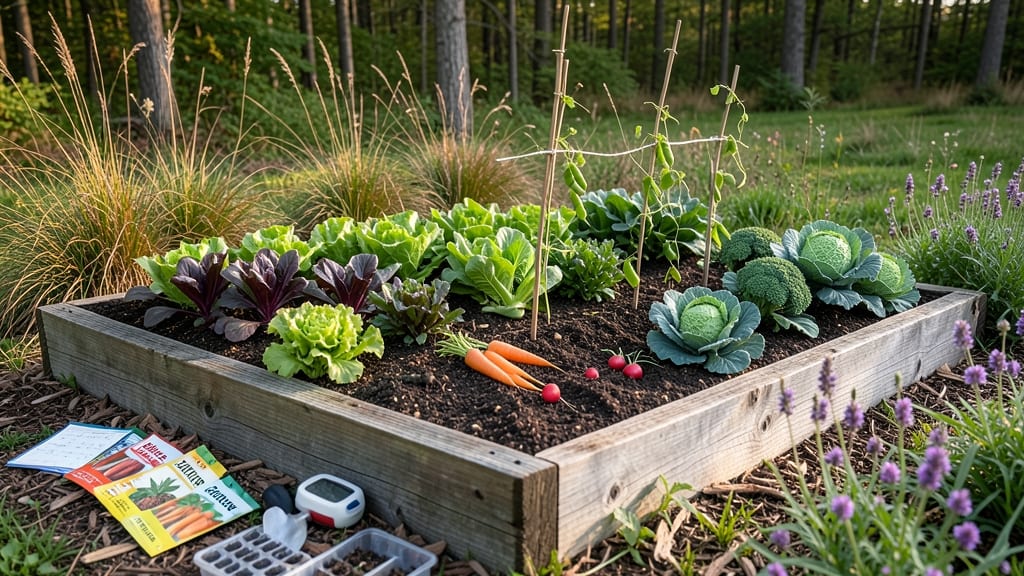
When to plant a vegetable garden in New Brunswick can make or break your harvest—get the dates wrong, and you’ll watch frost nip your tomatoes or your peas bolt before summer even arrives. With Zone 4B-5A conditions, where spring arrives late and fall frost sneaks in early, knowing the perfect planting window is the key to a bountiful 🌱 harvest.
I’ve spent years growing vegetables across New Brunswick’s varied microclimates, from the milder coastal areas near Saint John to the cooler inland regions around Fredericton.
What I’ve learned is that a few strategic adjustments—like planting cold-hardy crops early or using row covers to extend the season—can turn a risky gamble into a reliable harvest.
This guide will walk you through the exact planting calendar for your region, including when to start seeds indoors, when to direct-sow, and how to protect your crops from late frosts.
Whether you’re a first-time gardener or a seasoned grower, these tips will help you avoid common mistakes and maximize your garden’s potential.
Ready to grow more confidently? Let’s dive into the microclimate-smart strategies that will keep your vegetable garden thriving all season long—no matter what New Brunswick throws your way.
New Brunswick planting calendar: exact dates by vegetable type for zone 4B-5A
New Brunswick’s Zone 4B-5A climate demands precision when planting your vegetable garden. The average last frost date ranges from May 10-25 (earlier in Fredericton, later near the coast), while the first frost typically arrives between September 15-30.
These dates create a 120-150 day growing window—just enough for warm-season crops to thrive if timed correctly.
Cool-season vegetables like spinach, kale, and peas can handle light frosts, while tomatoes, peppers, and cucumbers need warm soil to germinate. Understanding these differences is key to avoiding stunted growth or wasted seeds. Let’s break down the best planting windows for your garden.
| Vegetable | Planting Window | Notes for NB |
|---|---|---|
| Peas & Lettuce | Early April - Mid-May | Tolerate light frost; direct sow after soil warms to 40°F. |
| Spinach & Kale | Mid-April - Early June | Bolt-resistant varieties like 'Winterbor' kale thrive in cool weather. |
| Tomatoes & Peppers | Late May - Early June | Start indoors 6-8 weeks before last frost; use row covers for early starts. |
| Cucumbers & Beans | Mid-May - Late June | Wait until soil reaches 60°F; bush beans adapt better than pole varieties. |
| Carrots & Radishes | April - July (succession plant) | Sow every 2 weeks for continuous harvest; avoid heavy clay soil. |
For Fredericton’s warmer microclimate, you can push planting dates 1-2 weeks earlier than coastal areas like Saint John. Use local frost data from the New Brunswick Department of Agriculture to fine-tune your schedule.
For example, Saint John’s cooler coastal climate may delay tomato planting until June 1 to avoid late frosts.
Warm-season crops like tomatoes and peppers require consistent soil temperatures above 60°F to germinate. Test soil warmth with a soil thermometer—if it’s below 55°F, wait another week.
In Zone 5A areas, you might squeeze in a second planting of beans or cucumbers in early July for a late-summer harvest.
Don’t forget succession planting! Crops like lettuce, radishes, and bush beans can be sown every 2-3 weeks from April to July. This ensures a steady harvest and maximizes your garden’s productivity. For example, plant radishes every 10 days from April to June for a continuous supply.
If you’re in Moncton or the Fundy region, coastal breezes can delay soil warming. Use black plastic mulch to warm the soil faster and plant warm-season crops slightly later (after June 10). This simple trick can add 1-2 weeks to your growing season.
For overwintering crops like kale, carrots, and spinach, plant in late summer (August) for a fall/winter harvest. These hardy vegetables can survive light frosts and even thrive under snow cover in Zone 4B. Mulch heavily with straw or leaves to protect roots from freezing.
Pro tip: Keep a gardening journal to track your planting dates and note any adjustments for future years. For instance, if your tomatoes struggled in 2023 due to a late frost, you’ll know to delay planting in 2024.
Local Master Gardener programs in New Brunswick also offer free soil testing and planting advice—take advantage of these resources!
By aligning your planting schedule with New Brunswick’s microclimates and frost patterns, you’ll transform your garden from a gamble into a reliable harvest machine. Start with these dates, adjust based on your location, and soon you’ll be enjoying homegrown veggies all season long! 🌱
How to extend your New Brunswick growing season with microclimates and protective strategies
New Brunswick’s short growing season—just 120 to 150 frost-free days in most areas—can feel like a race against time. But by harnessing microclimates and using protective gear, you can push your harvest 2 to 4 weeks earlier or 2 to 3 weeks later than the average last frost date.
Start by identifying warmer pockets in your yard, like south-facing slopes or urban heat islands near pavement or buildings.
Urban areas like Fredericton and Saint John often trap heat, creating microclimates that can be 5–10°F warmer than rural spots. Test your yard’s heat pockets by placing a thermometer in different locations for a week.
If one spot stays 10°F warmer than others, prioritize planting heat-loving crops like tomatoes or peppers there first.
Use Row Covers for Early/Late Planting
Lightweight floating row covers add 4–8°F of warmth and protect tender seedlings from late spring frosts. You can plant cool-season crops like lettuce or spinach 3–4 weeks before the last frost date, or extend fall harvests by 2–3 weeks.
Cold Frames Boost Early Starts
A simple cold frame (a clear plastic or glass box) can raise soil temperatures by 10–15°F, letting you start warm-season crops like peppers or eggplants 6 weeks earlier. Place it on a south-facing slope for maximum sunlight.
Succession Planting Maximizes Yield
Instead of planting all your lettuce or radishes at once, stagger sowings every 2 weeks. This ensures a continuous harvest and reduces waste. In New Brunswick, aim for 3–4 succession plantings of fast-growing crops like bush beans or carrots.
Greenhouses Extend the Season
Even a small hoop house can add 4–6 weeks to your growing season. Use it to start transplants early or overwinter hardy greens like kale or Swiss chard. Ventilate on warm days to prevent overheating.
Don’t overlook coastal areas like Moncton, where moderating ocean breezes can delay first frosts by 1–2 weeks. Plant heat-sensitive crops like cucumbers near the coast if possible, and monitor local Maritime frost forecasts for real-time adjustments.
For late-season protection, use low tunnels (hoop houses without walls) over broccoli, cabbage, or Brussels sprouts to shield them from early fall frosts. These simple structures can add 3–4 weeks to your harvest window, letting you enjoy homegrown veggies well into October or November.
Pro tip: Keep a gardening journal to track which microclimates and strategies work best in your yard. Note specific dates for when you planted, any protective measures used, and the final harvest yield. Over time, you’ll refine your approach to beat New Brunswick’s short growing season like a pro. 🌱