
Planting
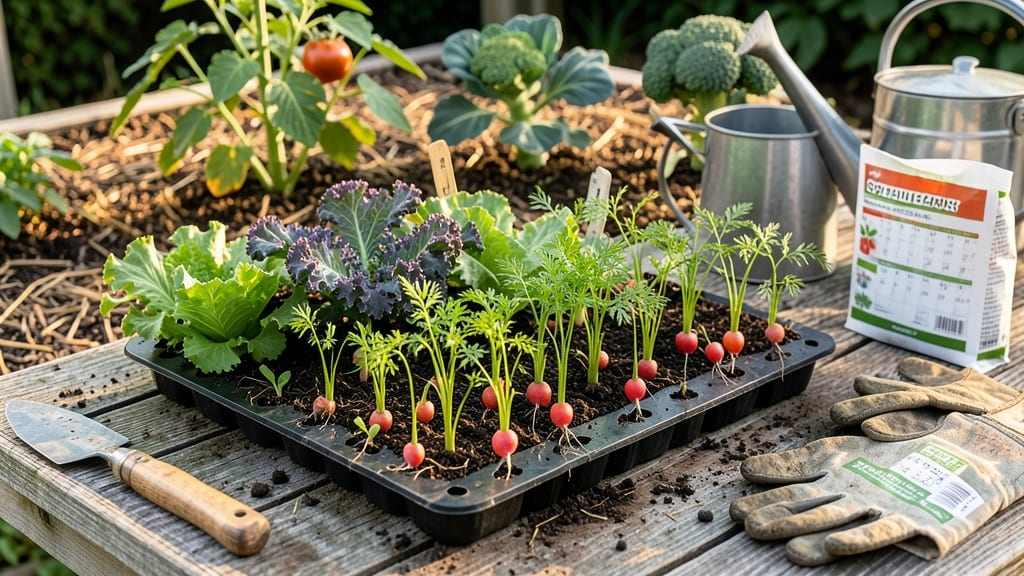
When to plant a vegetable garden in Seattle isn’t just about following a calendar—it’s about outsmarting the Pacific Northwest’s ever-changing weather. Plant too early, and a late frost could wipe out your 🌱 seedlings; wait too long, and your growing season shrinks faster than a soggy summer picnic blanket.
With Seattle’s USDA Zone 8a climate and microclimates that range from urban heat pockets to coastal chill, knowing the exact window to plant can mean the difference between a bountiful harvest and a sad, wilted disappointment.
I’ve dug into the data—last frost dates, soil temperatures, and even how Puget Sound’s breeze affects your garden—to give you the precise timing you need.
Whether you’re dreaming of crisp spring lettuce or juicy summer tomatoes, this guide breaks down the ideal planting months for every type of vegetable, plus how to adjust for Seattle’s quirks like heavy rain and unpredictable frost.
No more guessing games—just a foolproof plan to turn your garden into a thriving food factory.
Ready to grow? Let’s get your vegetable garden started at the perfect moment—because in Seattle, timing isn’t just important, it’s everything.
Seattle’s planting zones & microclimate-specific start dates by vegetable type
Seattle’s USDA Zones 7b-9a create a unique gardening challenge, where cool, wet springs and mild summers demand precise planting timing.
The average last frost date hovers around March 15, but your exact microclimate—whether you’re near Puget Sound’s cooling breezes or in an urban heat island—can shift this by 2-3 weeks. For example, Ballard may be frost-free by early March, while Snoqualmie might still see frost in late April.
Warm-season crops like tomatoes and peppers need soil temperatures above 60°F, which typically happens by mid-May in most of Seattle. Meanwhile, cool-season crops such as kale and spinach thrive when planted 4-6 weeks before the last frost, often as early as February in sheltered areas.
Understanding these nuances ensures your garden avoids frost damage or bolting (premature flowering).
🌱
Seattle Planting Timeline by Vegetable Type
| Vegetable Type | Ideal Planting Window | Microclimate Notes | Key Consideration |
|---|---|---|---|
| Cool-Season Crops | February–March (direct sow) or August–September (fall) | Urban areas warm faster; coastal zones stay cooler. | Frost tolerance varies—kale handles cold better than lettuce. |
| Warm-Season Crops | Mid-May–June (after soil warms to 60°F) | South-facing beds warm 2 weeks earlier than north-facing. | Use row covers to extend early planting. |
| Root Vegetables | March–April or July–August | Carrots and beets prefer consistent moisture—Seattle’s rain helps! | Avoid waterlogged soil in winter. |
| Herbs (Basil, Cilantro) | April–May (basil) or March (cilantro) | Basil bolts in heat—plant late May for fall harvest. | Start basil indoors for earlier transplanting. |
Seattle’s Puget Sound influence creates a coastal microclimate where temperatures stay 5-10°F cooler than inland areas. For instance, Edmonds might see frost until April 1, while Bellevue could be frost-free by March 20.
To account for this, I recommend checking your local Cooperative Extension Service data or using a home weather station to track soil temperatures.
Another critical factor is urban heat islands, where paved surfaces and buildings trap heat. In neighborhoods like Downtown Seattle, soil can warm 1-2 weeks earlier than in wooded areas.
Test your soil with a soil thermometer—warm-season crops need 60°F+ for 10+ days before planting. If your soil is still cold, opt for cool-season alternatives like peas or radishes.
🌿
For succession planting, plan to sow fast-growing crops like radishes or bush beans every 2-3 weeks from March through July. This ensures a continuous harvest and maximizes your short growing season.
For example, I’ve had success with lettuce by sowing seeds every 10 days from February to September, staggering harvests to avoid bolting.
One of my biggest lessons? Don’t rely solely on calendar dates. Instead, combine frost predictions, soil temperature, and local weather patterns. For instance, if you’re in a windy coastal area, young seedlings may need protection even after the official frost date.
Use row covers or cold frames to create a microclimate buffer and extend your planting window by 3-4 weeks.
🪴
Pro tip: Keep a gardening journal to track your first and last frost dates over the years. Seattle’s climate shifts yearly—some years, <
How to adjust planting times for Seattle’s rainy season & coastal effects
Seattle’s rainy season and coastal winds throw a wrench into traditional planting schedules. Unlike drier climates, your soil stays saturated longer, and wind exposure near Puget Sound can stunt young seedlings.
The key is adjusting your timeline to avoid waterlogged roots and frost pockets—especially in low-lying urban areas where cold air settles.
For coastal gardens, I recommend planting cool-season crops like kale or spinach 2-3 weeks earlier than inland zones. The ocean’s moderating effect delays frost, giving you a 10-14 day head start.
Conversely, urban heat islands (like downtown) can push planting dates 1-2 weeks later—soil warms faster, but late frosts still lurk.
Here’s how to adapt: Use row covers or cold frames to extend early spring planting by 3-4 weeks. These create microclimates that shield seedlings from chilly coastal breezes and late frosts. For fall crops, wait until mid-August (not July) to avoid soil saturation from autumn rains.
⚠️ Seattle-Specific Risks
- 🌧️ Overwatered soil: Heavy rain can drown roots—amend clay soil with compost to improve drainage.
- 🌬️ Windburn: Coastal gardens need windbreaks (e.g., burlap screens) for delicate plants like lettuce.
- 🌡️ False springs: A warm February can trick you—always check 10-day forecasts before planting.
For warm-season crops like tomatoes or peppers, wait until mid-May (not April) to avoid soil-borne diseases from soggy conditions. If you’re itching to start early, use biodegradable pots to transplant seedlings after the last frost—this minimizes root disturbance in waterlogged soil.
Pro tip: Test your soil’s drainage in early spring. Fill a hole with water—if it drains in <2 hours, it’s safe to plant. If not, raise beds or add perlite. Coastal areas often need this extra step due to high water tables.
Finally, succession plant heat-loving crops like beans or cucumbers every 2 weeks from June to August. This ensures harvests before fall rains slow growth. Think of it as a buffer against Seattle’s unpredictable weather—your garden’s insurance policy.