
Plants
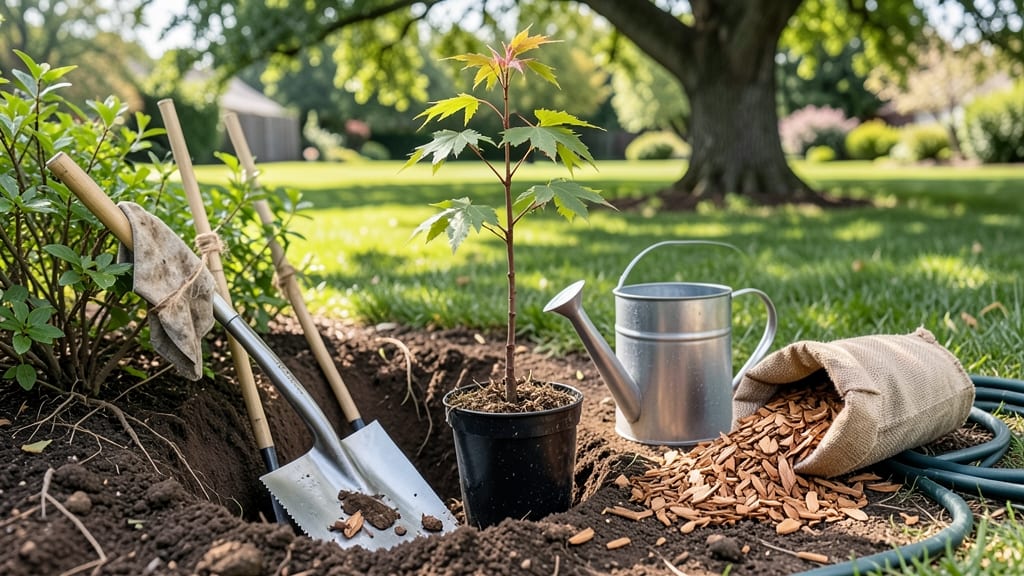
Timing is everything when you plant a tree in the ground—get it wrong, and you risk stunted growth or even failure.
In USDA Zone 6a, where I live, the difference between a thriving 🌳 and a struggling sapling often comes down to a few key weeks in the planting window.
Most gardeners assume spring is the only option, but fall actually offers cooler temperatures and better moisture retention for young roots. I’ve seen firsthand how trees planted in early spring (after April 15th) or late fall (before October 15th) establish stronger foundations faster.
You’ll learn the exact 3-month windows that work best for your region, plus how to adjust for container-grown vs. bare-root trees. Whether you’re a beginner or a seasoned grower, these insights will help you avoid costly mistakes and give your tree the best start possible.
Let’s break down the science behind root growth and how to match your planting schedule to your tree’s needs—so you can enjoy decades of shade and beauty instead of years of frustration.
Best planting seasons for trees by u.s. climate zones
Timing your tree planting isn't just about the calendar—it's about understanding your USDA hardiness zone and how local climate patterns affect root establishment. In most regions, early spring or fall are the gold-standard windows, but exceptions exist for Mediterranean climates, desert areas, or zones with extreme winters.
For example, in Zone 5-7, where winters are harsh, planting in early fall (6 weeks before first frost) gives roots time to anchor before dormancy. Meanwhile, Zone 8-10 gardeners can extend their window into late winter or early spring, avoiding summer's scorching heat.
Regional microclimates also play a role. Coastal areas with milder winters (like Zone 9b in California) might plant trees in late winter to escape summer drought stress, while inland zones with hot summers prioritize fall planting to avoid transplant shock.
🌳
| USDA Zone | Best Planting Window | Key Consideration |
|---|---|---|
| 3-4 (Cold Winters) | Early spring (May) or late summer (August) | Avoid frost-heave damage; soil must thaw. |
| 5-7 (Moderate Winters) | Fall (Sept-Oct) or early spring (April) | 6 weeks before first frost for fall; after last frost for spring. |
| 8-10 (Mild Winters) | Late winter (Jan-Feb) or early fall (Sept) | Avoid summer drought; plant when soil is moist. |
| 11 (Tropical) | Year-round (avoid rainy season) | Focus on soil moisture; no frost risk. |
| Mediterranean (e.g., CA, OR) | Late winter (Jan-Feb) | Escape summer drought; plant before heat spikes. |
My Zone 6a garden in the Midwest thrives with fall-planted oaks—their roots establish before winter, then burst with growth in spring. But in Zone 9b's coastal climate, I've seen citrus trees planted in late winter outperform those planted in summer, thanks to cooler soil temperatures.
Soil temperature is your secret weapon. Use a soil thermometer to confirm 50-60°F soil temps—ideal for root growth. In colder zones, wait until soil thaws; in hot zones, plant when summer rains begin.
Pro tip: Bare-root trees (like fruit trees) need dormant-season planting, while container-grown trees can handle a broader window. Always check the tag for species-specific advice!
🌿
Don't overlook moisture availability. Planting during dry spells forces you to water excessively, while planting in waterlogged soils risks root rot. Aim for periods with consistent rainfall or plan to irrigate deeply post-planting.
For example, Zone 5 gardeners should avoid planting in late summer when drought stress peaks, while Zone 10 gardeners might plant in early fall to take advantage of monsoon rains.
💧
How to adjust planting time for tree species and soil conditions
Not all trees thrive on the same planting schedule—oak trees need dormant-season planting, while willows can handle spring or fall. Even within the same zone, bare-root trees (like fruit trees) require dormant-season planting, while container-grown trees offer more flexibility.
I’ve learned this the hard way: planting a bare-root maple in summer killed it within weeks.
Soil conditions matter just as much as the calendar. Clay soils stay cold longer, delaying spring planting, while sandy soils dry out fast, making fall planting riskier. Always check soil temperature—roots struggle below 50°F or above 85°F. A soil thermometer is your best friend here.
🌱
Species-Specific Planting Adjustments
- Oaks, Maples, Pines: Plant in fall (dormant season)
- Fruit Trees: Bare-root in late winter, container-grown in spring
- Willows, Birches: Spring or fall (flexible roots)
- Palms, Citrus: Late winter (avoid summer heat)
- Bare-root trees in summer (roots dry out)
- Container-grown trees in frost-prone periods
- Deep-rooted species (like oaks) in compacted soil
- Waterlogged soils (risks root rot in fall)
For container-grown trees, the window expands—you can plant almost year-round in Zone 8-10, but avoid extreme heat or freezing temps. I once planted a container-grown olive tree in June in Zone 9b, and it thrived because the roots stayed hydrated from daily misting.
💧
Soil moisture is the wildcard. Planting during dry spells forces you to water 2-3x weekly, while planting in waterlogged soils (like spring in Zone 5) can suffocate roots. Test your soil’s drainage: dig a 12-inch hole and fill it with water—if it drains in 2 hours, it’s safe to plant.
Pro tip: Amend heavy clay with compost or sand before planting to improve drainage. For sandy soils, mix in peat moss to retain moisture. I’ve seen newly planted oaks in amended soil grow 3x faster than in native clay.
🌿
Finally, tree size matters. A 5-gallon container tree recovers faster than a 150-gallon balled-and-burlapped tree. Larger trees need more soil prep—amend the entire hole with native soil + compost (never pure topsoil). For big trees, hire a pro to avoid transplant shock.