
Plants
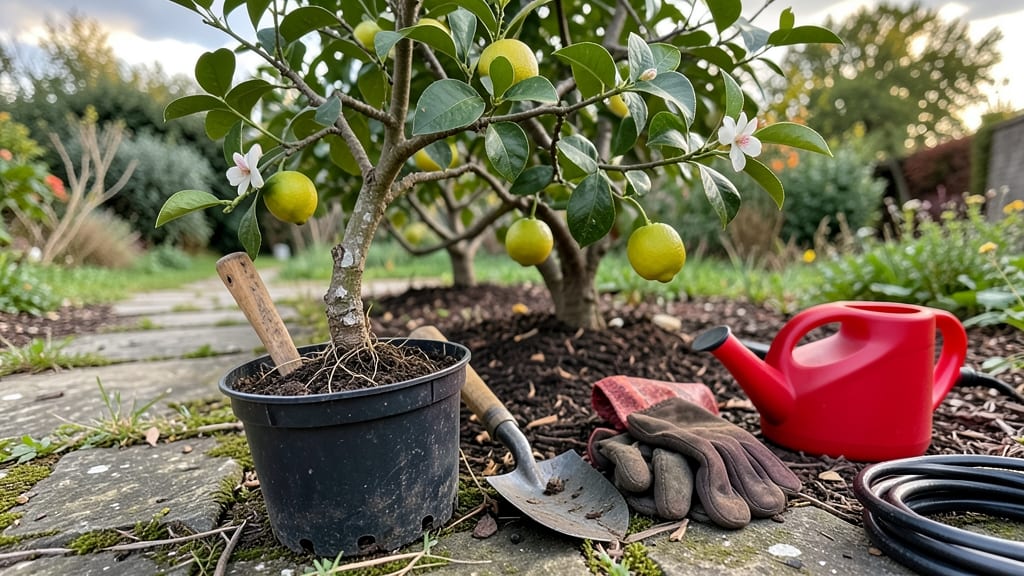
When to plant a lemon tree in the ground could make the difference between a thriving citrus tree and one struggling with frost damage or slow growth—so timing is everything. The best window for planting in most climates (like USDA Zone 6) is after the last frost date, when soil temperatures stay above 60°F consistently.
Why does this matter? Lemon trees are tropical at heart and hate cold snaps. In colder zones, planting too early risks frost damage, while waiting too long might stress your tree before it establishes roots.
I’ll walk you through exactly how to check your local frost dates and soil conditions to nail the perfect moment.
Whether you’re starting from a nursery pot or transplanting a young tree, the spring planting window (typically March–May) is your golden opportunity. But if you’re in a warmer zone (like 9–11), fall planting can also work—just avoid the first frost.
Let’s break down the key steps: when to prep your soil, how to protect your tree from unexpected chills, and what to watch for in the weeks after planting. Your future harvest depends on getting this right!
Best planting time for lemon trees by US hardiness Zones
Planting your lemon tree at the right time is critical—it determines whether your tree thrives or struggles. In USDA Zones 9-11, you can plant year-round, but spring (after last frost) is ideal for most regions.
For Zones 7-8, timing matters even more to avoid winter damage. Let’s break down the perfect planting windows by zone to ensure your citrus tree gets off to a strong start.
In Zones 9-11, where frost is rare or nonexistent, you can plant your lemon tree anytime. However, spring (March-May) is still the best choice because warm soil and longer days encourage faster root establishment.
If you’re in Zones 7-8, wait until after your last frost date—typically mid-April to early June—to avoid cold snaps that can kill young roots.
For Zones 6 and colder, planting is riskier, but dwarf varieties with winter protection (like Eureka or Lisbon) can succeed. Plant in late spring (May-June) and move the tree indoors or under cover during winter. Always check your local frost dates—they’re your golden rule for timing.
🌱
Your local last frost date is your best friend when planning. Use the National Weather Service or USDA Plant Hardiness Zone Map to find yours.
For example, in Zone 7, last frost is often around April 15, while in Zone 9, you might plant as early as February if soil is warm enough.
If you’re unsure, err on the side of waiting. A lemon tree planted too early in cool soil struggles to establish roots, making it vulnerable to disease. Test soil temperature with a soil thermometer—aim for 60°F or warmer at a 6-inch depth before planting.
Fall planting is possible in Zones 9-11 (before first frost), but spring is safer for most gardeners. In colder zones, fall planting risks winter damage before roots settle. Stick to spring planting unless you’re experienced with winter protection.
🌡️
Pro tip: If you’re buying a potted lemon tree, check its root system before planting. Roots circling the pot (root-bound) need pruning to encourage outward growth. Gently loosen roots and trim any that spiral inward—this helps your tree adapt faster to its new home.
Once you’ve picked your planting window, prepare the site with well-draining soil amended with compost or citrus-specific fertilizer. Lemon trees hate soggy roots, so avoid low spots where water pools. A slight mound or raised bed works wonders for drainage.
After planting, mulch around the base (but not touching the trunk) to retain moisture and regulate soil temperature. A 2-3 inch layer of organic mulch keeps roots cool in summer and warm in winter—just what your lemon tree needs to thrive.
Signs your climate is ready for lemon tree planting
Your lemon tree won’t thrive if planted too early—cool soil and lingering frost can stunt root growth or even kill young trees.
Instead of guessing, watch for these 3 key climate signs that your region is finally ready for planting: soil temperature, daytime warmth, and stable humidity levels. These indicators ensure your citrus tree gets the warm, consistent conditions it craves.
First, check your soil temperature—it’s the most critical factor. Lemon trees need soil that’s at least 60°F at a 6-inch depth. Use a soil thermometer to test daily for a week.
If temperatures dip below this threshold at night, wait a few more days. Cold soil slows root establishment, leaving your tree vulnerable to disease and stress.
Next, monitor daytime highs. Aim for consistent temperatures above 70°F during the day. This warmth signals longer growing seasons ahead and helps your tree adjust to outdoor conditions if it’s been container-grown.
In colder zones, this might mean waiting until mid-to-late spring, while warmer zones can plant as early as February or March.
🌡️
🌱 Key Climate Signs for Lemon Tree Planting
- Soil temp: 60°F+ at 6" depth (test daily)
- Daytime highs: 70°F+ consistently (no nighttime dips)
- Humidity: Moderate (avoid soggy or bone-dry air)
- Frost risk: None for 2+ weeks after planting
Pro tip: Use a frost calendar to confirm your local last-frost date—planting too soon can be deadly for citrus!
Don’t overlook humidity levels, either. Lemon trees prefer moderate humidity—neither too dry nor too damp. If your area is prone to high humidity (like coastal regions), ensure your planting site has good airflow to prevent fungal diseases.
In arid climates, mulch heavily to retain moisture without creating soggy conditions.
Finally, observe local weather patterns for at least a week before planting. Clear skies, warm nights, and no frost warnings are your green light.
If you’re in a transition zone (like USDA Zone 8), consider waiting until after Memorial Day to avoid late-season cold snaps that can damage tender new growth.
Once you’ve confirmed these signs, your lemon tree is ready for the ground. But don’t rush—wait until morning on a cloudy day to plant. This reduces transplant shock from sudden sun exposure.
Water deeply after planting to help roots settle into the warm soil, and keep an eye on the forecast for the next 10 days to avoid unexpected chills.
💧