
Plants
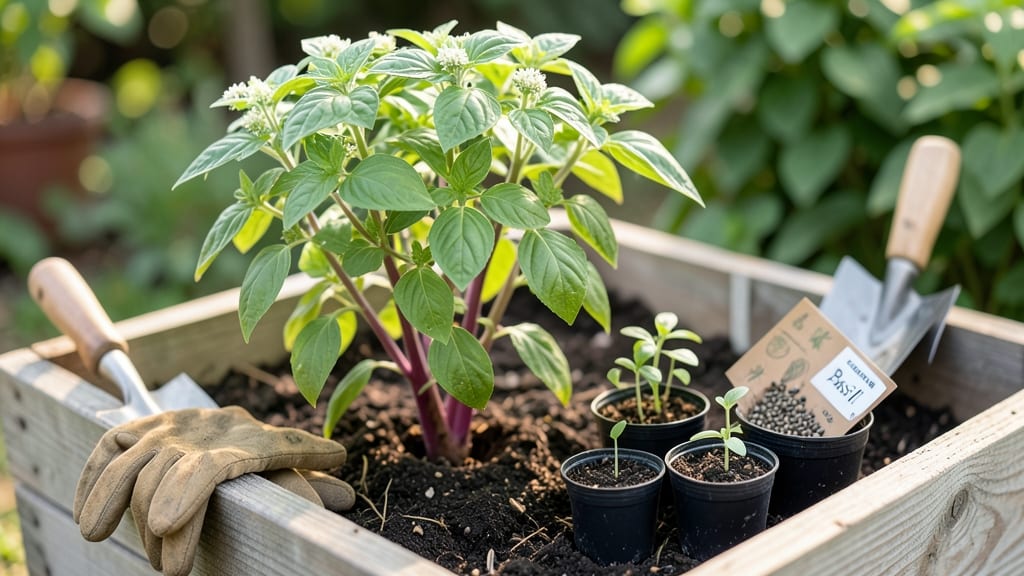
Timing your basil planting in Colorado wrong can turn your dream herb garden into a bitter, bolted disappointment—especially when unpredictable mountain weather throws off even the best-laid plans.
The 5-7 USDA zones across Colorado mean your Denver neighbor’s perfect schedule might not work for high-altitude Boulder or the dry plains near Fort Collins.
You’ve got more control than you think. By aligning your planting with Colorado’s last frost dates—typically mid-April to early June—and adjusting for elevation, you can grow sweet, zero-bolt basil from June through September.
The key? Starting seeds indoors 4-6 weeks before your local frost date or waiting until soil hits 50°F for direct outdoor planting.
But here’s the catch: Colorado’s dry heat and short growing season demand extra care. Whether you’re in the Front Range or the High Plains, I’ll break down exactly when to plant—plus how to avoid common mistakes that trigger bolting. Let’s make sure your 🌿 basil thrives, not struggles.
Ready to skip the guesswork? You’ll leave here knowing your precise planting window, how to prep soil for Colorado’s rocky terrain, and which companion plants keep pests away. No more wasted efforts—just lush, flavorful basil all season.
Best planting months for basil in Colorado by elevation zone
Colorado’s diverse elevations mean your basil planting window can vary by hundreds of days. At 5,000 feet on the Front Range, you’ll plant earlier than at 9,000 feet in the Rockies.
The key? Matching your last frost date with soil warmth—basil needs 50°F+ soil to thrive. Let’s break it down by zone so you avoid bolting and maximize your harvest.
For Denver and Front Range gardens (5,000–7,000 ft), aim to plant after April 15.
This area has the longest growing season in Colorado, with 150+ frost-free days. Colorado Springs (5,500–6,500 ft) follows a similar schedule but may need to wait until April 20 due to slightly cooler nights. High Plains (3,500–5,000 ft), like Fort Collins, can start as early as April 1 if nights stay above 40°F.
Higher elevations—7,000–9,000 ft (e.g., Boulder, Summit County)—require patience. Wait until May 1–15 to plant outdoors. These areas have shorter seasons and cooler soils, so seed starts indoors by March 15 give you a head start. Above 9,000 ft?
Basil is risky; stick to container growing near south-facing walls or greenhouses.
Pro Tip: Use a soil thermometer to confirm 50°F+ soil before planting. Cold soil = stunted growth. Morning sunlight on your garden bed is your best indicator—if frost lingers overnight, delay planting.
| Elevation Zone | Last Frost Date | Ideal Planting Window | Key Consideration |
|---|---|---|---|
| Front Range (5,000–7,000 ft) | April 10–20 | April 25–May 15 | Longest season; use row covers for late starts |
| High Plains (3,500–5,000 ft) | April 1–10 | April 15–May 1 | Warmer days; watch for early heat stress |
| Mountain West (7,000–9,000 ft) | May 1–15 | May 20–June 1 | Start indoors by March 15; use containers |
| High Altitude (>9,000 ft) | June 1–15 | June 10–July 1 (containers only) | Risky; prioritize heat-tolerant varieties |
If you’re in Denver or Colorado Springs, late May plantings can still work if you use black plastic mulch to warm the soil. But June starts often bolt quickly due to Colorado’s intense summer heat.
For high-altitude gardens, Genovese basil or ‘Spicy Globe’ handle cooler temps better than Sweet Basil.
Microclimates matter: A south-facing wall can add 2–3 weeks to your season. Test your spot by checking where sunlight hits by 10 AM—basil needs 6+ hours of direct sun. Shade cloth (30%) during July–August prevents bolting from heat stress.
For container gardeners, you can push limits. Move pots to protected spots (e.g., patios with afternoon shade) to extend harvests into early October. Just monitor soil moisture—containers dry out 3x faster than in-ground beds.
Remember: Basil hates cold feet. Even if daytime temps are warm, nighttime chills below 50°F will stunt growth. Use a thermometer to confirm soil warmth before committing to outdoor planting.
🌱
Best planting months for basil in Colorado by elevation zone
Colorado’s elevation zones create wildly different planting windows for basil. At 3,500–5,000 ft (High Plains), you can plant basil outdoors as early as late April, while 7,000–9,000 ft (Mountain West) waits until mid-June to avoid frost.
The Front Range (5,000–7,000 ft) falls in between, with ideal planting between May 1–15.
Your last frost date is the real deadline—Denver’s average is April 10, but Colorado Springs pushes it to April 20. Planting too early risks frost damage, while waiting too long may trigger heat-induced bolting before you harvest.
The sweet spot? Soil at 50°F+ and consistent daytime temps above 60°F.
| Elevation Zone | Last Frost Date | Outdoor Planting Window | Indoor Start (4-6 wks before) | Key Risk |
|---|---|---|---|---|
| High Plains (3,500–5,000 ft) | April 1–15 | Late April–early May | Mid-March | Early frost |
| Front Range (5,000–7,000 ft) | April 10–20 | May 1–15 | Late March–early April | Bolting from heat |
| Mountain West (7,000–9,000 ft) | May 1–15 | Mid-June | Early May | Short season |
For high-altitude gardens, prioritize heat-tolerant varieties like ‘Spicy Globe’ or ‘Lemon Basil’—they handle Colorado’s dry heat better than traditional Genovese. If you’re in Zone 5 (northern CO), consider container growing to move pots indoors before the first frost (October 15 on average).
Pro tip: Use a soil thermometer to confirm 50°F+ soil temps before planting. Cold soil stunts growth, and basil won’t thrive until it’s warm enough. Pair this with mulching to retain heat—especially critical in rocky Colorado soil.
Remember, elevation isn’t the only factor. Urban heat islands (like downtown Denver) can add 5–10°F to temps, while shaded microclimates (e.g., under trees) may delay planting by 2–3 weeks. Always scout your specific spot for 2–3 weeks before planting to gauge real conditions.
Once you’ve nailed the timing, your next challenge is extending the season—because Colorado’s 150 frost-free days won’t give basil enough time to mature if you’re not strategic. Stay tuned for my next section on row covers, shade cloth, and late-summer varieties to keep your basil producing until September.