
Plants
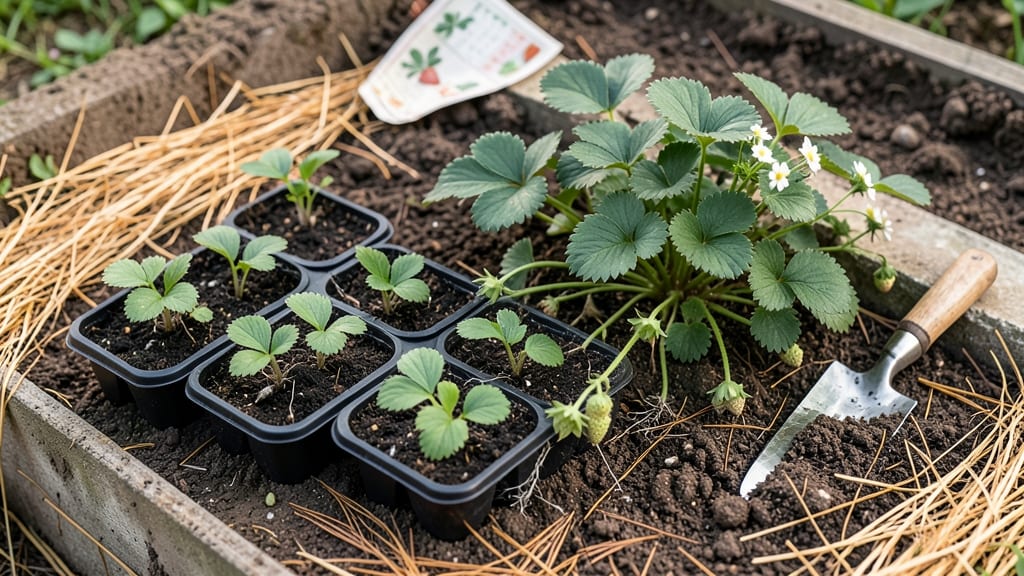
Timing your strawberry planting in Ohio can mean the difference between a bountiful harvest of juicy 🍓 and a disappointing patch of struggling plants. With Ohio's 6a climate zone and unpredictable spring weather, knowing exactly when to plant is the key to success.
Most gardeners in Ohio plant strawberries during two optimal windows: early spring (March to April) or late summer (July to August). These periods align with soil temperatures and frost-free conditions that give your plants the best chance to thrive.
In this guide, I'll break down the best months for planting based on Ohio's unique growing conditions, including how to prepare your soil and choose the right varieties for your region.
Whether you're a seasoned gardener or just starting, these tips will help you grow strawberries that are sweeter and more abundant than ever.
Let's dive into the details so you can enjoy fresh, homegrown strawberries straight from your garden all season long!
Best planting months for strawberries in Ohio’s climate zones 5-6
Ohio’s USDA hardiness zones 5b and 6a create a unique challenge for strawberry growers. The key to success lies in planting during two distinct windows: early spring (March to April) and late summer (July to August).
These periods align with Ohio’s frost dates and soil warming trends, giving your plants the best start.
For spring planting, aim to get your strawberries in the ground by mid-April, just as the soil begins to warm. This timing ensures roots establish before the June-bearing varieties need to focus on fruit production.
Meanwhile, summer planting (July to August) creates a second harvest window in fall for everbearing varieties.
Ohio’s microclimates can shift planting windows by 2-3 weeks. Southern Ohio’s warmer zones (like Chillicothe) may allow for earlier spring planting, while northern areas (like Cleveland) might need to wait until late April. Always check your last frost date—typically mid-April—as your guide.
Here’s a quick reference for Ohio’s ideal planting windows based on your location and variety type:
| Planting Window | Best For | Soil Temp | Notes |
|---|---|---|---|
| Early Spring (March 15 - April 15) | June-bearing varieties | 45-55°F | Plant after last frost; mulch heavily |
| Late Summer (July 1 - August 15) | Everbearing/everbearing varieties | 60-70°F | Second harvest in fall; avoid late summer heat stress |
| Fall (September 15 - October 1) | Bare-root plants only | 50-60°F | Plant 4-6 weeks before first frost; minimal growth before winter |
If you’re planting bare-root strawberries, do so as soon as the soil is workable in spring—typically late March to early April. These plants establish roots quickly in cool soil, giving them a head start.
For potted strawberries, you have more flexibility and can plant them up to two weeks later than bare-root varieties.
Ohio gardeners often ask about Mother’s Day sales, which can be a great time to grab plants. However, don’t rush to plant them just because they’re available!
Wait until soil temperatures reach at least 45°F—usually mid-to-late April—to avoid stunted growth. A soil thermometer is your best friend here.
For everbearing varieties, consider a staggered planting approach. Plant half your everbearing strawberries in early spring for a summer harvest, and the other half in late summer for a fall harvest. This extends your fruiting season by 3-4 months and maximizes your yield.
One common mistake Ohio gardeners make is planting too early, when the soil is still cold and wet. Strawberries planted in February or early March often suffer from root rot or fail to thrive. Always wait until the ground is dry enough to crumble in your hands before planting.
Finally, don’t overlook container gardening as an option. If your yard has poor soil or limited sunlight, containers let you control the planting window better. You can start potted strawberries indoors in February and transplant them outdoors after the last frost, giving you an earlier harvest.
How to prepare Ohio soil for strawberry planting (and avoid common mistakes)
Ohio’s clay-heavy soil and variable moisture levels can make strawberry planting tricky if you don’t prepare properly. Strawberries thrive in well-draining, slightly acidic soil with a pH between 5.5 and 6.5.
If your Ohio garden soil is compacted or waterlogged, your strawberries will struggle—leading to poor yields or even plant death. Let’s fix that before you plant.
The first step is testing your soil’s pH. Ohio gardeners often overlook this, but strawberries are sensitive to soil acidity. Grab a soil test kit (available at garden centers) or send a sample to your local Ohio State University Extension office.
If your pH is too high (alkaline), mix in sulfur or peat moss to lower it. For low pH (acidic soil), add lime or wood ash to balance it out.
Here’s what you should never do when preparing Ohio soil for strawberries—these mistakes are common but costly:
- Planting in soggy soil: Strawberries hate wet feet. Ohio’s spring rains can leave soil waterlogged—wait until it’s dry enough to crumble before planting.
- Skipping organic matter: Clay soil compacts easily. Mix in 3-4 inches of compost or aged manure to improve drainage and fertility.
- Over-fertilizing at planting: Too much nitrogen early on encourages leafy growth over fruit. Use a balanced 10-10-10 fertilizer sparingly.
- Ignoring drainage: If your yard has low spots, create raised beds or mounds to prevent root rot.
Once your soil is prepped, it’s time to amend it properly. Work in compost or well-rotted manure to a depth of 6-8 inches. For sandy soils (common in parts of northern Ohio), add peat moss or coconut coir to retain moisture.
If your soil is heavy clay (like in southern Ohio), mix in perlite or coarse sand to improve aeration.
Ohio’s microclimates also affect soil prep. In warmer southern Ohio (like Chillicothe), soil warms up faster, so you can start amending in early March. In cooler northern Ohio (like Cleveland), wait until mid-April to avoid working wet soil.
Always test soil temperature—it should be at least 45°F for planting.
After amending, level the planting area and create small mounds or rows with 12-18 inches between plants. This improves airflow and drainage, reducing the risk of fungal diseases like gray mold.
Mulch heavily with straw or pine needles to retain moisture and suppress weeds—Ohio’s humid summers make weed control a must.
Finally, avoid fresh manure near planting time—it can burn roots and attract pests. Instead, use composted materials or aged manure (at least 6 months old). With the right soil prep, your Ohio-grown strawberries will thrive and reward you with sweet, abundant harvests all season long!