
Plants
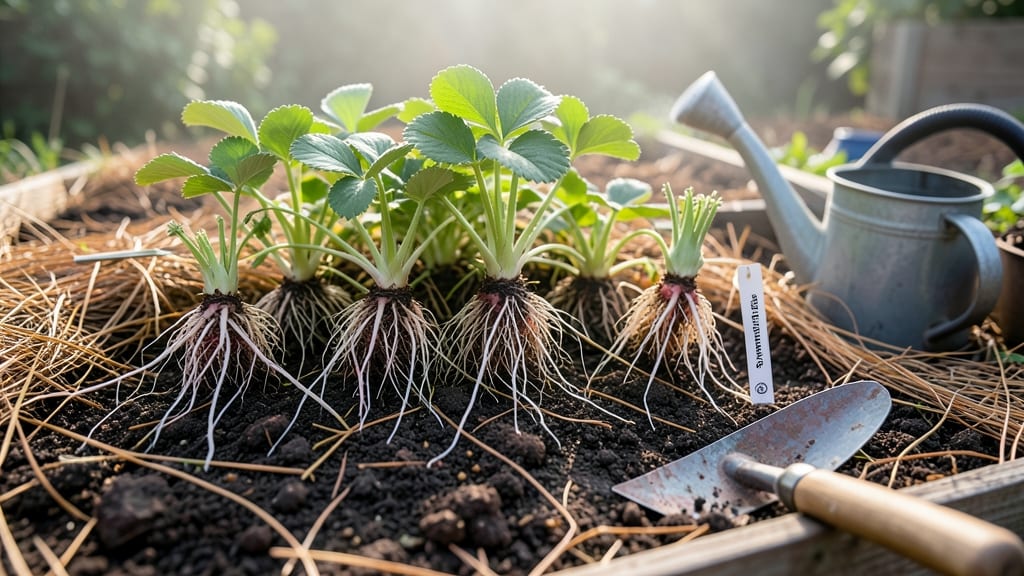
Planting your bare root strawberries 🍓 at the wrong time in Zone 8 could mean the difference between a lush, productive patch and struggling plants that never quite thrive.
The key to success lies in understanding when to plant—whether it's late fall or early spring—so your strawberries establish strong roots before summer heat arrives.
In Zone 8, where mild winters and hot summers create unique challenges, timing is everything. Planting during the cool season (November through February) gives your strawberries the ideal conditions to grow deep roots before the heat sets in.
This isn't just about avoiding frost—it's about giving your plants the best possible start.
I’ve seen firsthand how a few weeks of perfect timing can transform a struggling garden into one that produces sweet, plump strawberries all season long.
Whether you're a seasoned gardener or just starting out, this guide will help you choose the best window for planting and set your strawberries up for success.
From soil prep to post-planting care, we’ll cover everything you need to know to ensure your strawberries take root and flourish in Zone 8’s climate. Let’s get those plants in the ground the right way—so you can enjoy a bountiful harvest come spring.
Optimal planting times for bare root strawberries in Zone 8’s cool season
In Zone 8, where winters are mild and summers scorching, planting bare root strawberries at the right time ensures they establish strong roots before summer stress arrives. The cool-season window—from late fall to early spring—is your best bet for success.
Unlike northern zones, Zone 8’s mild winters (rarely dropping below 20°F) allow planting through January, but the ideal window is November through December. This timing lets roots grow before summer heat peaks.
Here’s why late fall planting works best: cooler soil temperatures reduce transplant shock, and the plants enter dormancy naturally before summer’s intensity. If you miss this window, early spring planting (February) is your next option, but act quickly.
🍓
| Planting Window | Soil Temp | Why It Works | Zone 8 Note |
|---|---|---|---|
| Late Fall (Nov–Dec) | 45–55°F | Slow root growth, minimal stress | Avoids summer heat; roots establish before spring |
| Early Spring (Feb) | 50–60°F | Faster growth, but risk of summer stress | Best if planted by late February to avoid heat |
| January | 40–50°F | Dormant but can root slowly | Risk of late frosts; prioritize cold-hardy varieties |
If you’re planting in January, choose everbearing or day-neutral varieties, which handle cooler temps better. June-bearing types may struggle with slow early growth. Always check your last frost date—in Zone 8, it’s typically mid-December.
For container planting, the timing is similar, but monitor soil moisture more closely—containers dry out faster in Zone 8’s dry summers. Use well-draining pots with organic matter to retain moisture.
Pro tip: Soak bare roots for 1–2 hours before planting to kickstart hydration. This is especially critical in Zone 8’s low-humidity conditions, where roots can dry out quickly.
🌱
After planting, mulch heavily (3–4 inches) with straw or wood chips to insulate roots from temperature swings. This is non-negotiable in Zone 8, where nights can dip into the 30s°F even in winter.
Finally, avoid planting in summer or early fall—the heat will stress roots before they establish. If you miss the cool-season window, wait until next fall.
Optimal planting times for bare root strawberries in Zone 8’s cool season
In Zone 8, the key to successful bare root strawberry planting lies in the cool-season window. Unlike northern climates, Zone 8’s mild winters and hot summers demand precise timing to avoid stressing young roots.
The ideal planting window spans from late November through January, when soil temperatures stay cool but frost risks are minimal.
This timing allows roots to establish before summer heat arrives, preventing transplant shock.
In my Zone 8 garden, I’ve found that November plantings often yield stronger plants by spring, while late January plantings still perform well if protected from sudden warmth. February can work, but only for everbearing varieties with extra winter protection.
Why cool-season planting? Strawberries thrive when soil temps hover between 45°F and 65°F. This range promotes root growth without encouraging premature foliage development. In Zone 8, summer heat can scorch new plants, while winter cold may damage tender roots—both risks are minimized during this window.
| Planting Window | Soil Temp Ideal | Zone 8 Notes |
|---|---|---|
| Late November | 50°F–60°F | Best for June-bearing; minimal frost risk |
| December | 45°F–55°F | Use frost cloth for protection; roots still active |
| January | 50°F–60°F | Last chance before summer heat; mulch heavily |
| February | 55°F–65°F | Risky for June-bearing; best for everbearing |
For container growing in Zone 8, timing shifts slightly. Potted strawberries can handle early spring planting (March) because containers warm faster. However, bare root plants in containers still benefit from cool-season starts.
I’ve had success planting containerized bare roots in February using black plastic pots to absorb heat and extend the growing season.
Check your last frost date (typically January 15 in Zone 8) and plant 6–8 weeks before to ensure roots establish before summer. In my experience, November 1–15 is the sweet spot for June-bearing varieties, while everbearing types can tolerate slightly later plantings with proper mulching.
Remember: Root establishment is the priority. A well-timed planting in Zone 8’s cool season sets your strawberries up for bigger yields next year—not just this season. The extra effort in timing pays off with healthier plants and sweeter fruit by spring.