
Companion Plants
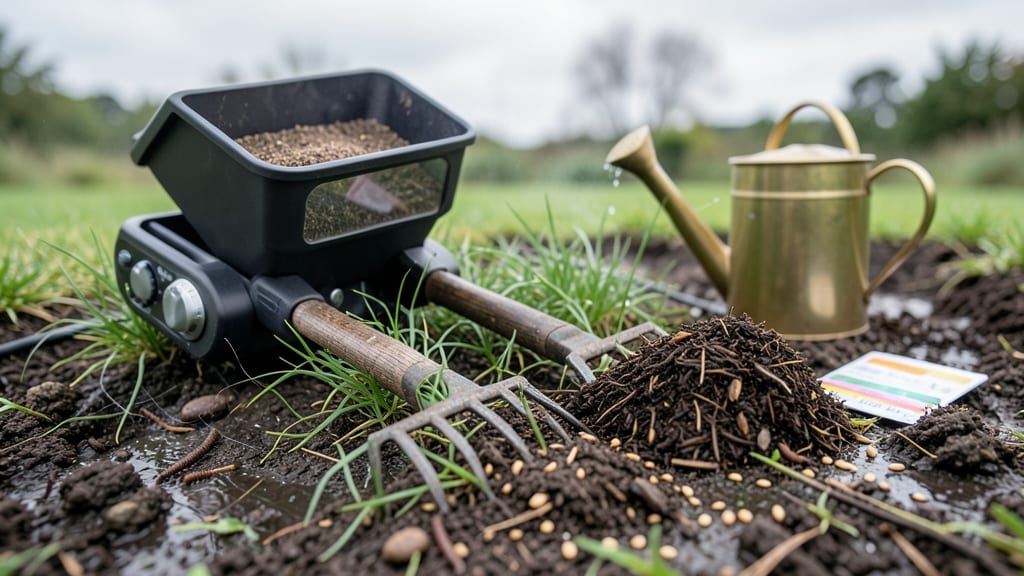
Planting grass seed in the fall is your golden opportunity to grow a thicker, more resilient lawn—but timing is everything. If you wait too late, frost will stall germination, and if you go too early, summer heat can dry out your new seedlings.
The key lies in a 4-6 week window before your first frost, when cooler temps and increased rainfall create perfect conditions for root development.
Why does this matter? Fall planting gives your grass a head start on spring growth, outcompeting weeds naturally. In USDA Zone 6a, that means aiming for late August to early October, depending on your local climate.
I’ll walk you through exactly how to read your frost dates, prep your soil, and avoid common mistakes that sabotage even the best-laid plans.
You’ll also discover how to leverage the season’s advantages—like reduced weed pressure and ideal moisture levels—to ensure your grass establishes deep roots before winter. No more guessing games: just a step-by-step guide to transform your lawn into a lush, low-maintenance carpet by spring.
Ready to skip the trial-and-error? Let’s dive into the exact timing, prep work, and care tips that’ll give you the lawn of your dreams—without the summer struggles.
Best fall planting windows by climate zone: when to plant grass seed for optimal root growth
Timing is everything when planting grass seed in the fall. The goal is to give seeds 4-6 weeks of warm soil and cool air before the first frost.
This window ensures strong root establishment before winter dormancy. In most regions, this means planting between late August and mid-October, but exact dates vary by climate zone.
Cooler fall temperatures reduce weed competition and water evaporation, creating ideal conditions for grass seed germination. However, planting too early exposes young grass to summer heat stress, while planting too late risks frost damage before roots take hold.
Let’s break down the best planting windows for Northern vs. Southern climates.
| Climate Zone | Ideal Planting Window | Soil Temperature | Key Consideration |
|---|---|---|---|
| Northern (Zones 3-5) | Late August to mid-September | 50–65°F | First frost typically arrives by mid-October. |
| Midwest (Zones 6-7) | Mid-September to early October | 55–70°F | Soil stays warm longer; aim for 4-5 weeks before frost. |
| Southern (Zones 8-10) | September to early November | 60–75°F | Milder winters allow later planting; monitor daylight hours for dormancy cues. |
| Coastal/Mediterranean | October to November | 55–70°F | Humidity and mild temps extend the window; watch for fungal risks. |
For precise timing, check your local USDA Plant Hardiness Zone and average first frost date. A general rule: Plant grass seed when daytime highs are 70–80°F and nighttime lows drop to 50–60°F. This balance ensures seeds germinate without overheating or freezing.
In Northern climates, aim to finish planting by mid-September to allow roots to establish before winter. In Southern regions, you can push planting into early November thanks to milder winters. Always verify with your local Cooperative Extension Service for hyper-local advice.
Daylight hours also play a role. As days shorten in fall, grass grows slower but allocates more energy to root development. This natural slowdown helps seedlings survive winter. If you miss the ideal window, consider overseeding in early spring instead.
Pro tip: Use a soil thermometer to confirm temperatures are ideal before planting. Soil should stay above 50°F for at least 4 weeks post-planting. If frost threatens before roots establish, cover seedlings with straw mulch for protection.
Regardless of your zone, cool-season grasses like Kentucky Bluegrass, Fescue, and Ryegrass thrive in fall planting. Warm-season grasses (e.g., Bermuda, Zoysia) should be planted in late spring or early summer instead. Always match your seed variety to your climate for best results.
Remember: The last chance to plant grass seed in fall is 4 weeks before the first hard frost. After that, seeds won’t germinate, and your investment will be wasted. Plan ahead, and your lawn will reward you with dense, resilient growth by spring.
🌱
How to prepare your lawn for fall grass seed planting: soil, weather, and prep steps
Preparing your lawn before planting grass seed in the fall is the difference between a thin, patchy lawn and a thick, vibrant carpet by spring. Start by testing your soil’s pH and nutrient levels—ideal grass growth thrives in soil with a pH of 6.0 to 7.0.
If your soil is too acidic or alkaline, amend it with lime or sulfur 4-6 weeks before planting to give the soil time to adjust.
Next, focus on aeration, which loosens compacted soil and allows seeds to make direct contact with the earth. Rent a core aerator or hire a lawn service to pull small plugs from your lawn, especially if it’s been heavily trafficked or hasn’t been aerated in over a year.
This step is critical for seed-to-soil contact, ensuring your grass seeds don’t just sit on top of the soil and dry out.