
Companion Plants
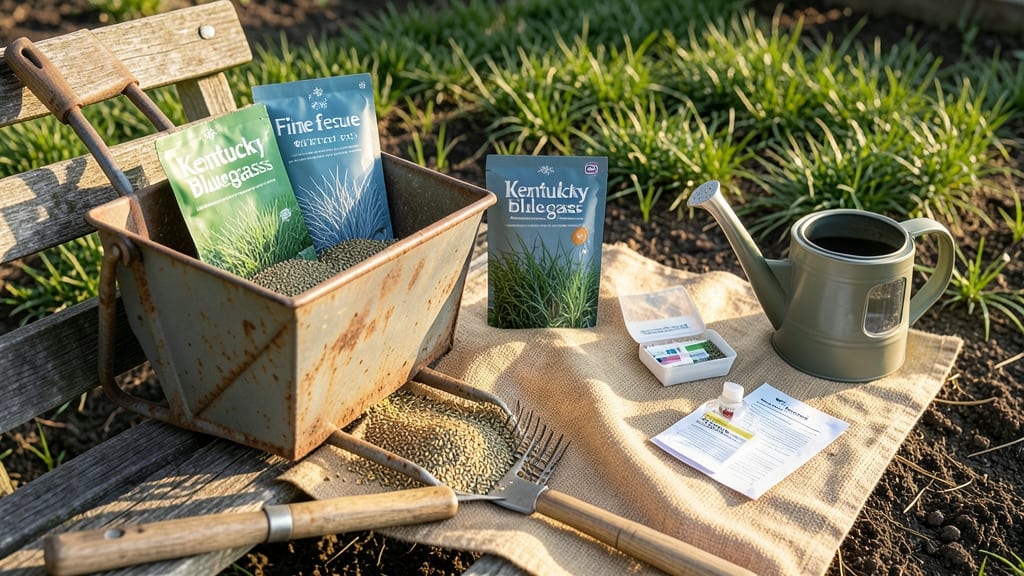
Planting your grass seed in Colorado at the wrong time can mean the difference between a vibrant lawn and months of frustration—especially with our unpredictable weather and high-altitude challenges. Whether you're in Denver, Colorado Springs, or the Western Slope, timing matters more than you might think.
Most gardeners swear by early spring or late fall planting, but Colorado’s USDA Zones 5-7 add a layer of complexity. The key is avoiding the scorching summer heat or the first frost, which can derail even the best-laid plans.
Let’s break down the ideal windows and what you need to know to set your lawn up for success.
You’ll discover why March–April is the gold standard for spring planting, how to prep your soil for fast germination, and why some regions like the Front Range thrive with fall planting. Plus, I’ll share pro tips to avoid common mistakes that slow down growth.
Ready to transform your yard? By the end, you’ll have a clear roadmap to planting 🌱 grass seed at the perfect moment—no guesswork, just lush results. Let’s get started!
Best months to plant grass seed in Colorado: spring vs fall comparison
Colorado’s high-altitude climate and variable frost dates make timing critical for grass seed success. Planting too early risks frost damage, while late planting leaves grass vulnerable to summer drought.
The best windows are early spring (March–May) and late summer/early fall (August–September), when soil temperatures and moisture align with seed germination needs.
Spring planting in Colorado typically starts when soil warms to 55°F+, usually by late March in Denver or early April in Colorado Springs. Fall planting should wrap up by mid-September to allow roots to establish before first frost.
Each season offers unique advantages—spring benefits from longer daylight, while fall avoids summer heat stress.
Here’s how the two seasons compare for Colorado lawns:
| Season | Ideal Planting Window | Soil Temp Requirement | Germination Time | Watering Needs | Success Rate | |
|---|---|---|---|---|---|---|
| 🌱 Spring | March–April (Denver) | 55–70°F | 7–21 days | Daily (first 2 weeks) | 85–90% (with proper prep) | |
| April–May (Colorado Springs) | 60–75°F | 10–14 days | Every other day | 80–85% | ||
| 🍂 Fall | August–September (Front Range) | 60–75°F | 10–14 days | 2–3x weekly | 90–95% (avoids summer stress) | |
| September–October (Western Slope) | 50–65°F | 14–21 days | Weekly (reduce in Oct) | 85–90% | ||
Colorado’s microclimates further complicate timing. For example, Denver (Zone 6b) has later frost dates than Colorado Springs (Zone 6a), while the Western Slope (Zone 5) experiences earlier springs. Always check your last frost date (typically April 15 for Denver) and plant 4–6 weeks before to avoid cold snaps.
Another key factor is grass seed variety. Cool-season grasses like Kentucky bluegrass and tall fescue dominate Colorado lawns, thriving in spring and fall. Warm-season grasses (e.g., buffalo grass) are rare but prefer late spring planting (May–June) in southern Colorado.
Fall planting often yields better results in Colorado because seeds germinate in cool, moist soil and establish roots before winter. However, spring planting gives grass a head start for summer growth. Both seasons require consistent moisture—a challenge in Colorado’s dry climate.
For high-altitude areas (e.g., Fort Collins or Steamboat Springs), delay spring planting until mid-April to avoid late frosts. In lower elevations (e.g., Pueblo or Grand Junction), you can plant as early as February if soil isn’t frozen.
Pro tip: Use a soil thermometer to confirm 55°F+ soil temps before planting. This simple tool prevents wasted seed from cold soil or overheating.
Best months to plant grass seed in Colorado: spring vs fall comparison
Colorado’s cool-season climate means your best bets for planting grass seed are either early spring or late summer/fall. The ideal window depends on your USDA Zone (5–7) and whether you’re in the Front Range, Western Slope, or Eastern Plains.
Let’s compare the two seasons to help you choose the perfect time for your lawn.
Spring planting (March–April) is the most popular choice because it aligns with soil warming and increased rainfall. However, fall planting (August–September) offers cooler temperatures and fewer weeds, which can lead to faster germination and stronger root growth before winter.
Both seasons have pros and cons, so let’s break them down.
🌱 Spring vs Fall Planting Comparison
| Factor | Spring Planting (March–April) | Fall Planting (August–September) |
|---|---|---|
| Best For | Fast establishment, high success rate | Strong root growth, fewer weeds |
| Soil Temp | 55–65°F (ideal for germination) | 60–70°F (cooler than summer) |
| Rainfall | Moderate to high (March–April) | Lower (August–September) |
| Weed Competition | High (weeds germinate early) | Low (weeds slow down in fall) |
| Germination Time | 7–14 days (with consistent moisture) | 7–10 days (cooler temps slow weeds) |
| Best Grass Types | Kentucky Bluegrass, Tall Fescue | Fine Fescue, Creeping Red Fescue |
For Denver and the Front Range (USDA Zone 6b), aim for March 15–April 15 in spring or August 15–September 15 in fall.
If you’re in Colorado Springs (Zone 6a) or the Western Slope (Zone 5–6), adjust slightly earlier—late February to early April for spring or late July to mid-September for fall.
Pro tip: Check your last frost date (typically mid-April for Denver) and plant 4–6 weeks before to avoid frost damage. For fall, stop planting 6 weeks before the first frost (usually mid-October in Zone 6). This gives your grass enough time to establish roots before winter dormancy.
Regardless of season, soil temperature is your best guide. Use a soil thermometer—grass seed needs soil temps between 55–65°F for optimal germination. If temps are too cold or too hot, your seeds may struggle or fail to sprout.
Ready to pick your planting window? Spring offers speed, while fall delivers resilience. Whichever you choose, prep your soil first—we’ll cover that in the next section to ensure your grass seed gets the best start possible. 🌱