
Plants
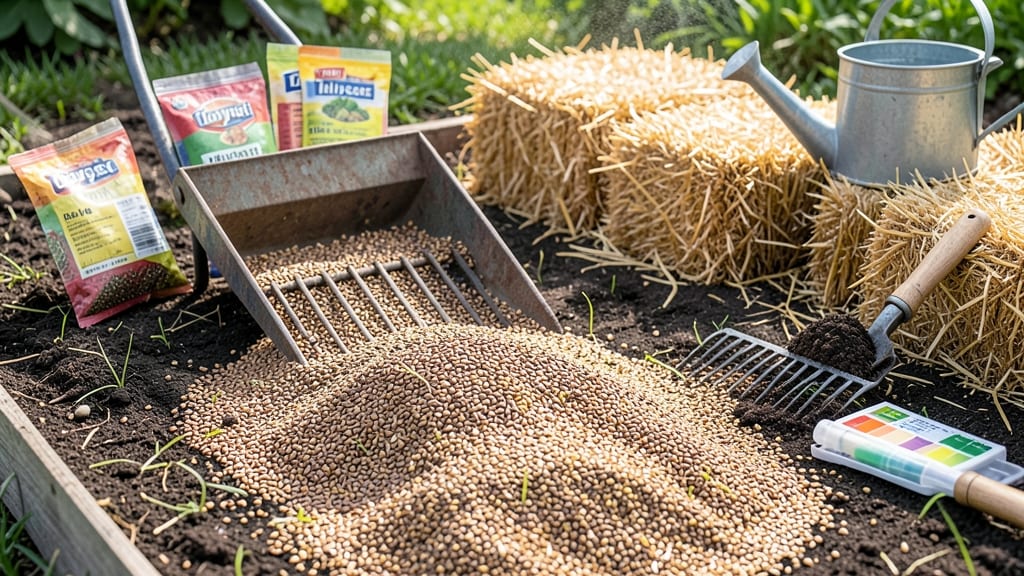
Planting grass seed in Georgia at the wrong time can turn your dream of a lush lawn into a frustrating gamble—especially when summer heat or winter freezes sabotage your efforts.
The best window isn’t just about months; it’s about understanding your region’s microclimate, whether you’re in the Piedmont’s rolling hills or the Coastal Plain’s humidity. Cool-season grasses like fescue thrive in spring’s mild temperatures, while warm-season types like Bermuda demand late summer’s heat.
I’ve seen firsthand how timing makes the difference between a thick, vibrant lawn and patchy disappointment. Georgia’s 7a-8b zones mean you can’t follow a one-size-fits-all schedule—what works in Atlanta might fail in Savannah.
But here’s the good news: with the right approach, you can outsmart the climate and create a lawn that stays green year-round.
In this guide, I’ll break down the exact months to plant, how to prep your soil for success, and which grass types match your local conditions.
Whether you’re seeding in March or September, you’ll learn how to beat Georgia’s challenges—like summer droughts or fall’s early frosts—so your grass gets off to the strongest start.
Ready to turn your yard into the envy of the neighborhood? Let’s dive into the strategies that’ll give you that perfect green carpet, no matter where you live in the Peach State.
Georgia’s ideal grass planting seasons: cool-season vs warm-season breakdown
Georgia’s diverse climate—from the humid Coastal Plain to the cooler Piedmont and mountainous regions—means not all grass types thrive year-round. The key to a thriving lawn lies in understanding cool-season vs warm-season grasses and their ideal planting windows.
Planting at the wrong time can lead to poor germination, weed invasion, or even seed failure.
Cool-season grasses like Tall Fescue and Ryegrass love Georgia’s mild spring and fall temperatures, while warm-season varieties such as Bermuda and Zoysia need the heat of late summer. Let’s break down the best times to plant each type, based on your region’s microclimate.
🌱
| Grass Type | Best Planting Window | Soil Temp Range (°F) | Georgia Regions | Key Consideration |
|---|---|---|---|---|
| Cool-Season (Tall Fescue, Ryegrass) | Early Spring (March-April) or Late Fall (September-October) | 50-65°F | North GA (Piedmont/Mountains), Coastal Plain | Avoid summer heat; weeds compete fiercely in warm months. |
| Warm-Season (Bermuda, Zoysia, Centipede) | Late Summer (August-September) | 70-85°F | All regions (especially South GA) | Plant when soil is warm; overseed in fall for winter color. |
| Transition Grasses (St. Augustine) | Spring (April-May) or Early Summer (June) | 65-75°F | Coastal GA, Piedmont | Needs consistent moisture; avoid drought stress. |
For North Georgia (USDA Zones 7a-7b), cool-season grasses like Tall Fescue are your best bet. Plant in March-April when soil temperatures hover around 55-65°F, or in September-October for a fall establishment. These grasses go dormant in summer but bounce back with cool weather.
In South Georgia (Zones 8a-8b), warm-season grasses like Bermuda and Zoysia dominate. Plant in late August through September when soil temps are 70-85°F. These grasses thrive in heat but may struggle if seeded too early or late, risking poor root development.
If you’re in the Coastal Plain, consider St. Augustinegrass for its shade tolerance and drought resistance. Plant in April-May or early summer, ensuring consistent watering during establishment. This grass type is less common in northern regions due to its higher water needs.
🌡️ Pro Tip: Use a soil thermometer to check depths of 4 inches—this is where grass seed germinates. For cool-season grasses, aim for 50-65°F; for warm-season, 70-85°F. If temps are outside these ranges, wait or adjust your planting strategy.
Another critical factor is rainfall patterns. Georgia’s unpredictable summer storms can wash away fresh seed, while fall often provides steady, gentle rains. Plan your planting around natural rainfall forecasts or be prepared to irrigate lightly daily for the first 2-3 weeks.
Finally, don’t overlook overseeding—a smart way to extend your lawn’s life. Warm-season grasses like Bermuda go dormant in winter, leaving bare spots. Overseed with Ryegrass in late September for temporary winter color, then let it die back in spring as the Bermuda wakes up.
☀️
5 Critical factors to check before planting grass seed in Georgia
Before you even sprinkle that first bag of grass seed in Georgia, you’ve got to nail these 5 critical factors. Skipping any of them can turn your lawn project into a costly mistake—think patchy growth, wasted seed, or even fungal infections.
I’ve learned the hard way that soil prep and timing aren’t just suggestions; they’re non-negotiables for a lawn that stays thick and green.
First, check your soil temperature. Cool-season grasses like tall fescue need soil between 60-70°F, while warm-season types like Bermuda grass thrive at 75-85°F. Use a soil thermometer—don’t guess!
Georgia’s spring and fall can swing wildly, so test it 2-3 inches deep for accuracy. Planting too early or late stresses young seedlings and invites weeds to take over.
Next, your soil pH must be in the 6.0-7.0 range. Georgia’s clay-heavy soils often lean acidic, which stunts grass growth. Grab a pH test kit (or send a sample to your local extension office) and amend with lime (to raise pH) or sulfur (to lower it) if needed.
I once spent $200 on seed only to watch it fail because my soil was too acidic—don’t make that mistake!
| Factor | Georgia-Specific Check | Action If Failed |
|---|---|---|
| Soil Temperature | 60-70°F (cool-season) or 75-85°F (warm-season) | Wait 1-2 weeks or use shade cloth |
| Soil pH | 6.0-7.0 (test with kit) | Amend with lime/sulfur 4-6 weeks before planting |
| Moisture Level | Consistently damp (not soggy) | Irrigate daily for 2-3 weeks post-planting |
| Sunlight Exposure | 6+ hours direct sun daily | Choose shade-tolerant grass or relocate project |
| Weed Control | Weed-free for 4+ weeks before planting | Apply pre-emergent herbicide 2 weeks before seeding |
Don’t overlook moisture levels. Georgia’s humidity can fool you—your soil might look wet but still be bone-dry below the surface. Stick your finger 2 inches deep; if it’s dry, you’re not watering enough.
New grass seed needs consistent moisture to germinate, so plan for daily watering (lightly!) for the first 2-3 weeks. Use a sprinkler with gentle rain setting—no blasting, which washes away seed.
Your yard’s sunlight exposure is another dealbreaker. Most Georgia grasses need 6+ hours of direct sun daily, but if you’ve got shady spots, opt for shade-tolerant varieties like fine fescue or St. Augustine.
I once tried planting Bermuda grass under a big oak tree—it lasted about a week before giving up. Map your yard’s sun patterns before you buy seed to avoid disappointment.
Last but not least, weed control is your secret weapon. Weeds steal nutrients and water from your grass, and Georgia’s warm climate lets them grow like crazy. Clear the area of existing weeds 4-6 weeks before planting, then apply a pre-emergent herbicide to block new ones.
Pro tip: Rent a sod cutter to remove weeds with their roots—no half-measures here!