
Plants
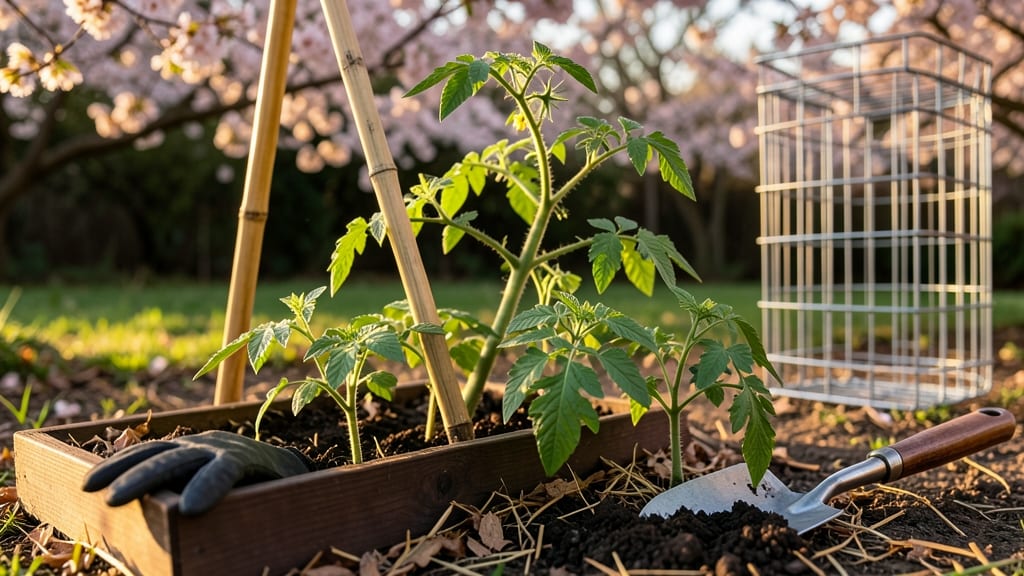
Ohio’s tomato planting zones: frost dates by region (2024 updated)
Ohio’s USDA hardiness zones 5-7 create a diverse planting landscape, where a late-April frost in northern counties can meet mid-May warmth in southern regions. Understanding these microclimates is key to avoiding tomato-killing freezes and maximizing your harvest.
The average last frost date for most of Ohio falls between April 15 and May 1, but urban heat islands and river valleys can shift this by 1-2 weeks.
For Zone 5 (northwest Ohio), like in Toledo or Findlay, aim for May 1-15 to transplant seedlings outdoors.
Meanwhile, Zone 7 (southwest Ohio), including Cincinnati or Dayton, can safely plant as early as April 15—but always check your local frost data from sources like the National Weather Service or Old Farmer’s Almanac for precision.
Microclimates play a huge role. River valleys (like the Ohio River) often warm up earlier than inland areas, while urban gardens in cities like Columbus or Cleveland can experience heat islands that delay frost by 7-10 days.
Use these local variations to your advantage—plant earlier in warm pockets and delay in colder zones.
Soil temperature matters just as much as air temperature. Tomatoes thrive when soil reaches at least 60°F. In Zone 6 (central Ohio), this typically aligns with mid-April to early May, but cold, wet springs can push this back.
Use a soil thermometer to confirm readiness—cooler soil slows root growth and increases disease risk.
| Region | USDA Zone | Avg. Last Frost | Safe Planting Window | Microclimate Notes |
|---|---|---|---|---|
| Northwest Ohio (Toledo, Findlay) | 5b | May 1-15 | May 15-June 1 | Colder; delay if frost risk |
| Northeast Ohio (Cleveland, Akron) | 6a | April 25-May 10 | May 10-25 | Urban heat islands extend season |
| Central Ohio (Columbus, Dayton) | 6b | April 15-30 | April 30-May 15 | Moderate; check soil temp |
| Southwest Ohio (Cincinnati) | 7a | April 10-20 | April 20-May 5 | River valleys warm faster |
If you’re unsure about your local frost date, turn to real-time tools like the NOAA Frost Calculator or your county extension office. They provide hyper-localized data that accounts for elevation, wind patterns, and recent climate shifts.
For example, southern Ohio’s river valleys can be 3-5 days warmer than nearby hills.
For early varieties like ‘Early Girl’ or ‘Stupice’, you can push the envelope and plant as soon as soil warms to 55°F, even if frost lingers.
These fast-maturing tomatoes (60-70 days to harvest) can outpace late frosts. Just be ready to cover plants with row fabric if a 50°F night is forecasted.
Conversely, heirloom varieties like ‘Brandywine’ or ‘Cherokee Purple’ need 80-90 days to ripen, so plant them no earlier than May 1 in most of Ohio. Delaying by a week or two ensures they’ll avoid blossom-end rot and produce healthier fruit.
Pro tip: Start seeds indoors 6-8 weeks before your last frost date to give seedlings a head start. This way, you’ll have robust 4-6 inch plants ready to transplant when conditions are ideal. Use grow lights to prevent
Step-by-step guide: when to start seeds indoors vs. transplanting outdoors in Ohio
Timing your tomato seeds indoors is just as critical as planting outdoors in Ohio. Starting too early means leggy, weak seedlings, while starting too late cuts your growing season short.
For Ohio’s USDA Zones 5-7, aim to begin seeds 4-6 weeks before your last frost date—typically mid-March to early April for most regions.
If you’re using transplants, Ohio gardeners should wait until mid-May to early June to move seedlings outdoors. This gives the soil time to warm up to at least 60°F, which is essential for tomato roots.
Cold soil can stunt growth or even kill young plants, so don’t rush this step!
🌱 Step-by-Step Planting Timeline for Ohio Tomatoes
- Mid-March to Early April: Start seeds indoors under grow lights or in a sunny window.
- Late April: Harden off seedlings (acclimate to outdoor temps) for 7-10 days.
- Mid-May (Zone 5) or Early May (Zones 6-7): Transplant outdoors after last frost.
- June (if delayed): Plant fast-maturing varieties like 'Early Girl' for a late harvest.
For Ohio gardeners in Zone 5, where frosts linger longer, consider using row covers or cold frames to extend your planting window. These tools can push your outdoor transplant date back by 2-3 weeks, giving you an earlier harvest.
Just remove covers once flowers appear to prevent heat stress.
If you’re in southern Ohio (Zones 6-7), you can start seeds as early as late February for a head start. However, avoid transplanting outdoors before mid-April, even in warmer zones, because nighttime temps can still dip below 50°F—a temperature tomatoes despise.
Pro tip: Use a soil thermometer to confirm your garden bed is ready. Tomatoes won’t thrive until the soil hits 60°F consistently. If it’s cooler, wait a few more days—your patience will pay off with stronger plants and bigger yields!
Finally, keep an eye on your local Ohio Agricultural Research and Development Center forecasts. Their weekly frost advisories can help you adjust your timeline if an unexpected cold snap is predicted. With the right timing, you’ll be harvesting tomatoes by July—just in time for summer salads and salsa!