
Plants
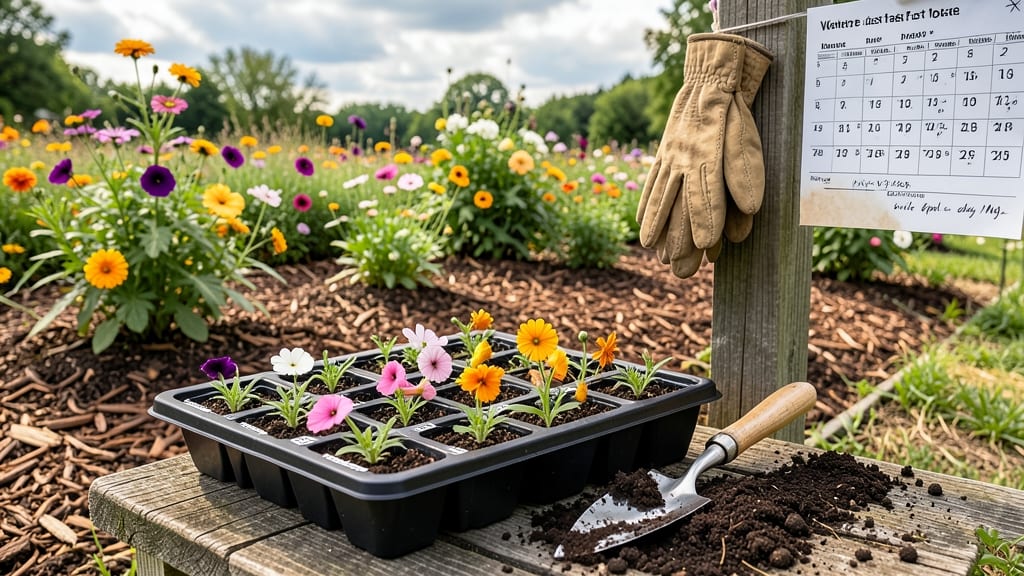
Timing your annuals planting in Ohio can feel like a high-stakes guessing game—one wrong move, and frost or heat ruins your 🌸 blooms before they even begin.
The truth? Ohio’s 6a zone has more planting windows than you think, but microclimates (think urban heat islands vs. rural chill) shift deadlines by weeks.
If you’ve ever watched your mid-April petunias wilt under late frost or your July marigolds bolt in August heat, you’re not alone. The key isn’t just waiting for the last frost—it’s reading your local soil cues and adjusting for urban vs. countryside conditions.
I’ll show you exactly how to nail those two-week windows that separate thriving gardens from disappointing ones.
We’ll break down the three Ohio planting regions, when to start seeds indoors (yes, even in Zone 6a!), and how to stretch your season with row covers. No more guessing—just data-driven deadlines for your favorite annuals, from cool-loving pansies to heat-loving sunflowers.
Ready to turn your Ohio garden into a year-round showstopper? Let’s dive into the exact dates and strategies that’ll have your annuals blooming like clockwork—no frost, no stress, just 🌸 perfection.
Ohio’s annual planting zones: when to plant by region (north vs. south)
Ohio’s planting timeline isn’t one-size-fits-all—it’s a patchwork of microclimates where a northern county like Ashtabula might still see frost in late May, while southern Cincinnati could be safely planting tomatoes by mid-April.
The Buckeye State spans USDA Zones 5b to 6b, creating distinct windows for warm-season and cool-season annuals. Let’s break down the three key regions and their frost-free deadlines.
For Northern Ohio (Zones 5b-6a), think Columbus to Cleveland—here, the average last frost date hovers around May 10-15. But don’t rely on averages!
Urban areas like Cleveland often warm up faster than rural Appalachian foothills, where cold air pools. Southern Ohio (Zones 6a-6b), including Dayton and Cincinnati, typically sees its last frost by April 15-20, giving gardeners an extra 2-3 weeks to start heat-loving annuals like basil or okra.
Here’s how these regions differ for your annual planting schedule:
| Region | Last Frost Date | Warm-Season Planting Window | Cool-Season Planting Window | Microclimate Adjustment |
|---|---|---|---|---|
| Northern Ohio (Zones 5b-6a) | May 10-15 | May 20 - June 10 | March 15 - April 30 | Urban areas: 3-5 days earlier; rural: 3-5 days later |
| Central Ohio (Zones 6a) | April 25 - May 5 | May 10 - May 25 | March 1 - April 15 | Urban heat islands: 5 days earlier; valleys: 5 days later |
| Southern Ohio (Zones 6a-6b) | April 15-20 | April 25 - May 10 | February 20 - March 31 | River valleys: 7 days earlier; hills: 7 days later |
🌱 Pro Tip: Use a local frost tracker like the Old Farmer’s Almanac or your cooperative extension service for real-time updates.
Let’s tackle warm-season annuals first—these sun-worshippers like tomatoes, peppers, and marigolds need soil temperatures above 60°F to thrive.
In Northern Ohio, hold off until May 20 or risk stunted growth. Southern Ohio gardeners can plant tomato seeds indoors by March 1 and transplant by April 25, giving vines a head start before summer heat peaks.
For cool-season annuals like lettuce, pansies, and snap peas, the opposite rule applies: plant them 6-8 weeks before your last frost. That means Northern Ohio gardeners should sow seeds by March 15, while Southern Ohio can start as early as February 20.
These hardy plants often handle light frosts—just avoid black walnut or tomato companions, which stunt their growth.
Urban gardeners in Cincinnati or Columbus might notice their concrete jungles warm up faster than rural areas. Use this to your advantage: start warm-season annuals 5-7 days earlier in containers near south-facing walls.
Conversely, Appalachian foothills or Lake Erie shorelines can delay planting by a week or more due to late-spring cold snaps.
One critical mistake I’ve seen? Planting petunias or geraniums too early. These heat-sensitive annuals bolt (flower prematurely) if exposed to 50°F nights. Wait until May 10 in Northern Ohio or April 25 in Southern Ohio to ensure vibrant blooms all summer.
For vegetable annuals like basil or okra, push the envelope by using row covers to extend the window by 2-3 weeks.
Need a quick reference? Bookmark this: Northern Ohio = May 10 last frost, Central Ohio = April 25, Southern Ohio = April 15.
How to extend your Ohio planting season: cold frames, row covers & succession planting
Ohio’s short growing season doesn’t mean you’re stuck with a two-month bloom window. With the right tools, you can push your annuals’ planting dates by 4-6 weeks in spring and 3-4 weeks in fall.
I’ve tested cold frames, row covers, and succession planting in my Zone 6a garden—here’s what works best for Ohio’s unpredictable frost patterns.
Cold frames are my secret weapon for early spring planting. By mid-March, I start hardening off cool-season annuals like lettuce and spinach under clear plastic lids. The soil inside warms 10-15°F faster than outside, letting me plant 4 weeks before the official last frost date.
Just remove the lid during 70°F+ days to prevent overheating.
Row covers (floating fabric tunnels) are even simpler. I use them to protect frost-sensitive annuals like petunias and marigolds until May 15—even in northern Ohio. The trick?
Secure the edges with bricks or soil so wind doesn’t tear them. For late-summer extensions, I leave them on until October 1 to shield plants from early chills.
- 📅 Cold Frames: Start cool-season annuals by March 1 (soil warms 10-15°F faster). Remove lid when temps hit 70°F.
- 🛡️ Row Covers: Extend spring planting to May 15 and fall planting to October 1. Use floating fabric for wind protection.
- 🔄 Succession Planting: Sow fast-growing annuals (e.g., bush beans, zinnias) every 2-3 weeks for continuous blooms.
- 🌡️ Soil Thermometers: Wait until soil hits 60°F (not air temp) for warm-season annuals like tomatoes.
- 🌿 Container Gardening: Move pots indoors or to garages/sunrooms to overwinter herbs like basil or tender annuals.
Succession planting is my favorite trick for non-stop color. Instead of planting all my marigolds at once, I sow a new batch every 3 weeks from May through July. This ensures blooms from June to October—even if the first batch bolts in August heat.
For vegetables, I use this method with bush beans and lettuce for a steady harvest.
Don’t overlook container gardening as a season extender. I keep herbs like basil and petunias in pots on my sunroom porch until October 15, then move them indoors under grow lights. This gives me 3 extra months of greenery when outdoor planting is impossible.
Pro tip: Always check your local frost dates (they vary by 5-7 days even within Ohio). Use the Ohio State University Extension frost map to adjust these strategies for your exact microclimate. With these tools, your annuals will bloom year-round—not just for a fleeting summer.