
Plants
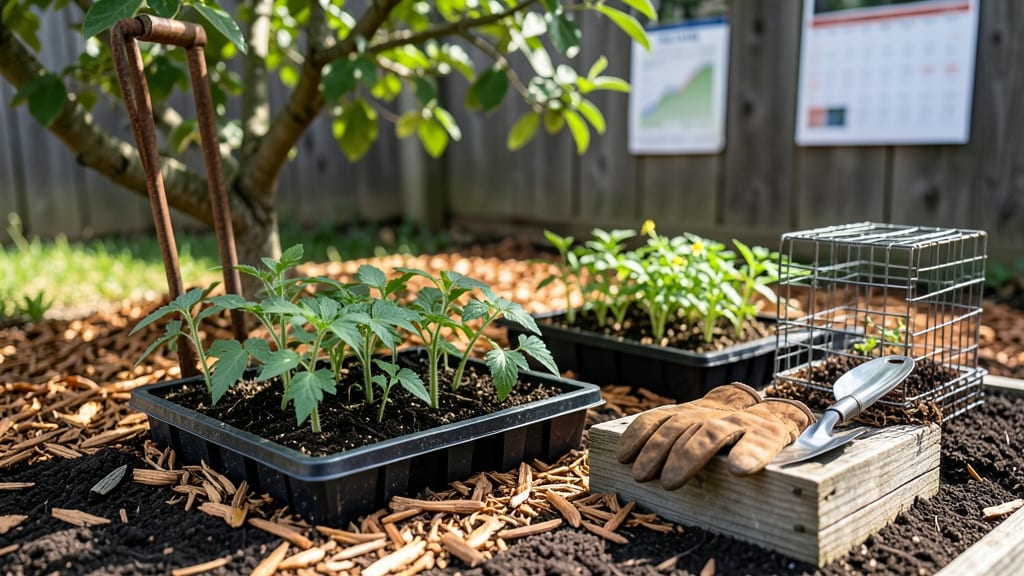
Timing when you should plant tomatoes in Ohio isn’t just about the calendar—it’s about outsmarting frost, soil warmth, and microclimates that can turn your 🍅 dreams into a sad, wilted pile.
With USDA Zone 6a bringing unpredictable swings between 30°F freezes and 80°F heatwaves, planting too early risks frost damage, while waiting too long cuts your harvest short.
Most Ohio gardeners assume April 15–May 15 is the magic window—but that’s only part of the story. The real key lies in soil temperature (60°F+) and your specific region, whether you’re in chilly Northeast Ohio or milder Southeast zones.
I’ll break down the exact dates, soil tests, and transplant hacks to ensure your tomatoes thrive from seed to harvest.
You’ll also discover how to stretch your growing season with black plastic mulch, cold-hardy varieties, and greenhouse tricks—because Ohio’s 165 frost-free days demand creativity. Whether you’re a first-time gardener or a veteran with frostbitten regrets, these strategies will turn your backyard into a tomato powerhouse.
Let’s dive into the science behind Ohio’s planting zones, soil secrets, and the 3 biggest mistakes gardeners make with timing. Your perfect 🍅 harvest starts here.
Ohio’s last frost dates by region: the exact window for planting tomatoes
Ohio’s diverse geography means last frost dates vary by 1-2 weeks across regions. In northwest Ohio (e.g., Toledo), the average last frost hits April 15, while southeast Ohio (e.g., Athens) sees frost-free conditions by April 25.
These dates are your hard deadline—planting tomatoes too early risks frost damage to delicate seedlings.
For southern Ohio (USDA zones 6b-7a), you can push planting to mid-April in protected microclimates like urban heat islands or near south-facing walls.
In northern Ohio (zones 5a-6a), wait until May 1 to transplant outdoors, even if soil seems warm. Cold snaps in April can drop temperatures 20°F below average overnight.
Use the National Weather Service’s frost prediction maps (updated March 15 and April 1) to adjust your timeline.
For example, Columbus (central Ohio) averages a last frost of April 20, but 2021’s late frost delayed planting until May 5 for many gardeners. Track local anomalies—not just averages—to avoid disappointment.
Here’s the microclimate breakdown for Ohio’s 5 key regions, including USDA zone adjustments and real-time tools to monitor frost risk:
| Region | Last Avg. Frost | USDA Zone | Safe Planting Window | Frost Tool |
|---|---|---|---|---|
| Northwest (Toledo, Lima) | April 15 | 5b-6a | May 1–15 (outdoors) | NWS Frost Map |
| Northeast (Cleveland, Akron) | April 18 | 5b-6a | May 1–10 (outdoors) | Almanac Frost Calculator |
| Central (Columbus, Dayton) | April 20 | 6a-6b | April 25–May 5 (outdoors) | Local NWS Alerts |
| Southeast (Athens, Cambridge) | April 25 | 6a-6b | April 20–May 1 (outdoors) | Frost Freeze Warnings |
| Southwest (Cincinnati, Dayton) | April 22 | 6a-6b | April 25–May 5 (outdoors) | Frost Tracker App |
Pro tip: Urban gardeners in cities like Cincinnati or Columbus can plant 1 week earlier thanks to the urban heat island effect. Test your microclimate by placing a thermometer in your garden—if it’s 5°F warmer than rural areas, adjust your timeline accordingly.
For northern Ohio, consider cold frames or row covers to extend your season by 2-3 weeks. These tools let you transplant early varieties (like ‘Stupice’ or ‘Mountain Merit’) as early as April 1 under protection.
Just remove covers when daytime temps hit 70°F to avoid heat stress.
If you’re starting seeds indoors, begin 6-8 weeks before your last frost date. For northwest Ohio, that’s mid-February, while southeast Ohio gardeners can wait until early March. Use a seedling heat mat to maintain <
How to time transplants for Ohio’s soil temperature thresholds (and avoid common mistakes)
Timing your tomato transplants correctly in Ohio isn’t just about avoiding frost—it’s about waiting for the soil to warm up to at least 50°F (10°C). Cold soil stunts root growth, leaving your plants vulnerable to disease and poor fruit set.
I’ve learned this the hard way after transplanting too early and watching my seedlings struggle for weeks.
Use a soil thermometer to check temperatures in the morning. The ideal range for transplanting is 60-65°F (15-18°C). In Ohio’s USDA Zone 6a, this typically aligns with mid-to-late May in most regions, but northern Ohio may need to wait until early June. Don’t rush—your tomatoes will thank you!
3 Critical Mistakes Ohio Gardeners Make:
- Transplanting too early when soil is below 50°F—roots won’t establish properly.
- Ignoring microclimate differences—a valley may frost later than a hillside.
- Skipping hardening-off seedlings before transplanting—shocked plants wilt faster.
To extend your growing season, use black plastic mulch or row covers to warm soil faster. Lay mulch 2-3 weeks before transplanting—it can raise soil temps by 5-10°F. For container gardening, place pots in warm, sunny locations (like a south-facing porch) to accelerate root growth before moving outdoors.
If you’re growing early-maturing varieties (like ‘Early Girl’ or ‘Stupice’), you can transplant as early as late April in southern Ohio. But for heirloom or late-season tomatoes, wait until mid-May or June to ensure they mature before Ohio’s first frost (mid-October).
After transplanting, water deeply to settle soil around roots and reduce transplant shock. Avoid overhead watering for the first 3-5 days—it can wash away soil and expose roots.
Instead, use a drip irrigation system or water at the base of the plant. This small adjustment has saved my tomato plants from wilting multiple times!
Monitor your local frost forecast using tools like the National Weather Service or Old Farmer’s Almanac. Ohio’s frost dates vary by 1-2 weeks between regions, so don’t rely on a one-size-fits-all approach.
For example, Toledo’s last frost averages April 20, while Columbus’ is May 5. Adjust your timeline accordingly!