
Plants
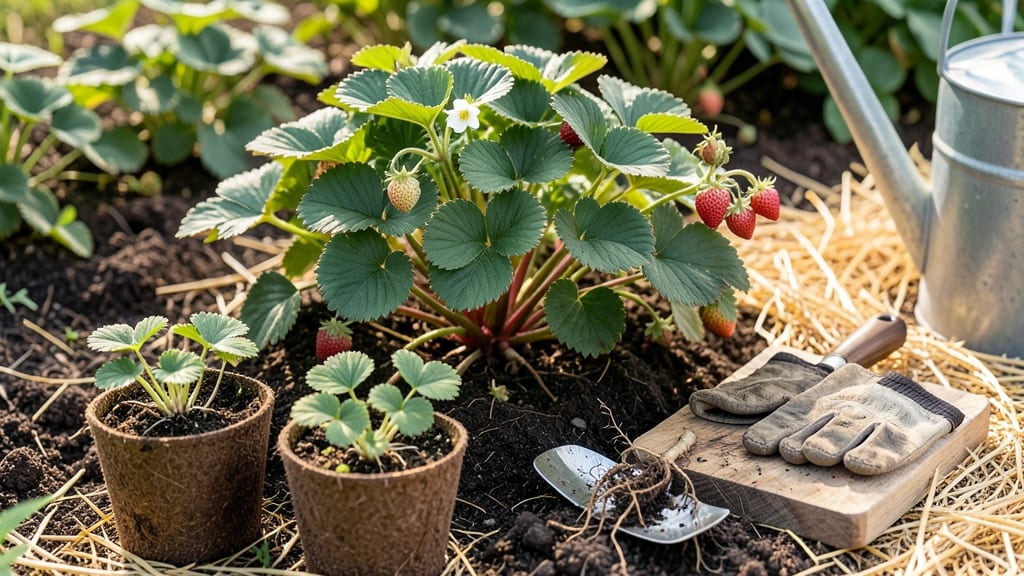
If you've ever planted strawberries in Texas only to watch them struggle through the brutal summer heat, you're not alone—but when is the best time to plant strawberries in Texas? The answer lies in timing: cooler months when roots can establish deep before the scorching sun arrives.
Texas gardeners in zones 8a-10b have two prime windows: late February to early April for spring plantings, or September to October for fall. But here's the game-changer: fall plantings often yield bigger harvests because the cooler weather gives young plants the head start they need.
I'll show you exactly how to choose the perfect window for your region—whether you're in North Texas with its later frosts or South Texas where the heat arrives earlier. Plus, I'll share Texas-specific tips to prepare your soil and protect your plants from the unique challenges of our climate.
Ready to grow strawberries that actually thrive? Let's dive into the best times to plant and the secrets to a bountiful harvest year after year.
Ideal planting windows for Texas strawberries: fall vs spring timing explained
Texas's extreme heat and variable frost dates make timing critical for strawberry success. The two best windows are fall (September-October) and early spring (February-March), but each offers unique advantages—and challenges—depending on your USDA zone (8a-10b) and region.
Fall planting gives strawberries 6-8 weeks to establish roots before winter dormancy, while spring plantings must race against rising temperatures to produce fruit before summer's brutal heat sets in. Let's break down the best approach for your part of Texas.
🌱 Did You Know?
For North Texas (USDA 8a), aim for September 15-October 15 to avoid early frosts (typically December 1). In Central Texas (USDA 8b-9a), extend planting to October 15-November 1, while South Texas (USDA 9b-10b) gardeners can plant until November 15—just beware of unpredictable late frosts.
Spring planting in Texas is riskier but still viable if you start February 15-March 15. After this window, soil temperatures exceed 70°F, causing transplant shock. Use shade cloth and drip irrigation to protect young plants during April-May heat spikes.
If you miss the fall window, bare-root plants can still be planted in late winter (January), but they'll need extra protection from winter winds and freeze events. For container growing, extend your season by 2-4 weeks—containers warm up faster in spring and cool down slower in fall.
Pro tip: June-bearing varieties (like Chandler) thrive in fall plantings, while everbearing varieties (like Seascape) produce two harvests per year if planted in both fall and spring. Choose day-neutral varieties for South Texas's longer growing season.
Remember: Texas clay soil holds moisture longer in fall, reducing irrigation needs. But in spring, dry winds can stress young plants—so mulch with straw to retain moisture and regulate soil temperature. 🌱
How to prepare your Texas garden for strawberry planting: soil, location, and pre-planting tips
Before you even think about planting strawberries in Texas, soil preparation is your secret weapon. Texas clay soil can be a challenge, but with the right amendments, you'll create the perfect growing environment.
Start by testing your soil pH—strawberries thrive in 5.5-6.8 range. If your soil is too alkaline, mix in sulfur or peat moss to lower the pH naturally.
Next, focus on drainage. Strawberries hate soggy roots, so avoid low spots where water pools. If your garden has heavy clay, consider raised beds or mounding soil to improve airflow.
I've found that adding compost and coarse sand (50/50 mix) works wonders for breaking up compacted soil while retaining moisture.
⚠️ CRITICAL STEP ⚠️