
Plants
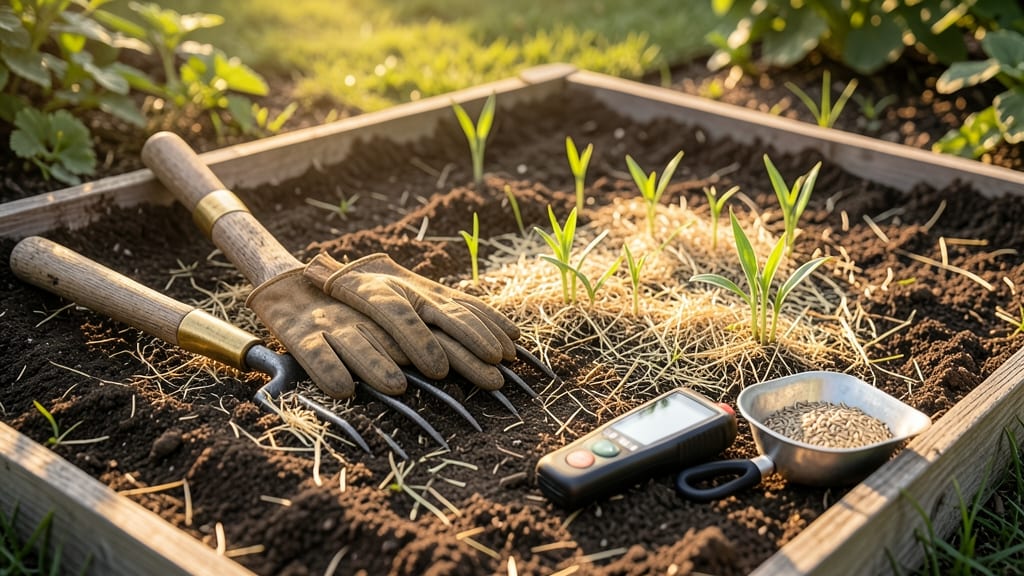
Planting grass seed at the wrong time in New Jersey can turn your dream green lawn into a battleground against weeds and uneven growth. The best time to plant isn’t just about seasons—it’s about soil temperatures, rainfall, and even your grass type’s hardiness in USDA zones 6a-7a.
Whether you’re tackling a new lawn or repairing bare patches, timing makes all the difference between success and frustration.
New Jersey’s climate throws a curveball with its unpredictable spring rains and scorching summer heat. Cool-season grasses like Kentucky bluegrass and fescue thrive when planted in early spring (March-April) or fall (September-October), but getting it wrong means struggling with slow germination or seed washout.
I’ll break down the exact windows—and why one season might work better for your yard’s microclimate.
You’ve already invested in quality grass seed—don’t let timing ruin your results. We’ll cover soil prep, weather watchouts, and how to tell when your lawn is truly ready for that first mow. Let’s get your 🌱 off to the right start with science-backed NJ timing that actually works.
From coastal breezes to inland heat, New Jersey’s regions demand different strategies. I’ll show you how to read frost dates, adjust for clay soil, and avoid the 5 biggest mistakes that turn good intentions into costly regrets. Ready to plant with confidence? Let’s dive in.
Optimal planting windows in New Jersey: spring vs fall compared
New Jersey’s USDA Zones 6a-7a mean your grass seed timing depends on soil temperatures, not just calendar months. Cool-season grasses (like Kentucky Bluegrass and Tall Fescue) thrive when daytime temps stay between 50–65°F—perfect for spring and fall planting.
But here’s the catch: Northern NJ (e.g., Bergen County) freezes later than Southern NJ (e.g., Cape May), so adjust your schedule accordingly.
Most gardeners in NJ plant grass seed in March–April (spring) or September–October (fall).
Spring planting gives you a head start, but fall offers cooler temps and fewer weeds, letting seeds focus on root growth. Never plant in summer—the heat dries out seeds before they sprout, and late fall risks frost damage before germination.
🌱
| Factor | Spring Planting (March–April) | Fall Planting (September–October) |
|---|---|---|
| Ideal Soil Temp | 50–65°F | 50–65°F |
| Germination Time | 10–14 days | 7–10 days |
| Weed Competition | High (warm weather) | Low (cool weather) |
| Watering Needs | Daily (first 2 weeks) | Daily (first 2 weeks) |
| Root Establishment | Slower (summer stress) | Faster (cooler temps) |
| Best For | New lawns or repairs | Overseeding or thin areas |
For Northern NJ (e.g., Morristown, Newark), aim for late April to early May in spring—waiting past the last frost (April 15) avoids seed damage.
In Southern NJ (e.g., Atlantic City, Vineland), you can plant as early as March 15 since frost arrives later (November 1). Fall planting in Southern NJ should wrap up by October 15 to avoid early frosts.
Pro tip: Use a soil thermometer ($10 at garden centers) to confirm temps. If your soil is below 50°F, wait—seeds won’t sprout, and you’ll waste money on dormant seed. Conversely, if temps hit 75°F+ in spring, switch to fall planting to avoid summer drought stress.
🌿
Microclimates matter too. Coastal areas (like Asbury Park) have milder winters, so you can plant grass seed 1–2 weeks earlier than inland spots like Trenton.
Check your local Cooperative Extension Service (NJ’s is free!) for frost date updates—some years, the last frost hits May 10, while others it’s April 20.
If you’re overseeding an existing lawn, fall is your best bet. Cool-season grasses grow aggressively in fall, filling in thin spots before winter. Just mow short (1–1.5 inches) 2 days before seeding to expose soil for better seed-to-soil contact.
☀️
Optimal planting windows in New Jersey: spring vs fall compared
New Jersey’s cool-season grasses like Kentucky bluegrass and fescue need precise timing to thrive. The ideal soil temperature for germination is between 50°F and 65°F, which aligns perfectly with early spring (March-April) and fall (September-October).
Planting outside these windows risks slow growth, weed competition, or seed washout from spring rains or summer drought. Let’s break down the best months for your region’s microclimate.
Northern NJ (USDA Zone 6a) has a shorter growing season and colder springs, so aim for late March to early April in spring. Southern NJ (Zone 7a) can start as early as February, but wait until soil warms above 50°F—cold soil delays germination.
Fall planting in both regions should finish by mid-October to allow roots to establish before winter frost.
🌱
| Season | Best Months | Soil Temp | Key Advantages | NJ-Specific Tips |
|---|---|---|---|---|
| Spring | March–April | 50–65°F | Longer daylight, steady rainfall | Wait until after last frost (avg. April 15); use ryegrass for faster cover. |
| Fall | September–October | 55–65°F | Cooler temps reduce weeds, roots strengthen | Finish by October 15; coastal areas may extend to early November. |
| Avoid | May–August | Above 75°F | High heat stress, drought risk | Exception: Overseeding in late summer (August) for quick cover before fall. |
Coastal NJ gardeners benefit from milder winters and can plant 2–3 weeks later than inland areas. For example, Cape May might start in early April, while Morristown should wait until mid-April.
Check your last frost date (use the NJ State Climate Office map) and adjust accordingly—planting too early risks frost damage to young seedlings.
Fall planting is my top recommendation for NJ lawns because cooler temps mean less weed competition and stronger root growth before winter. If you’re repairing bare patches, aim for September when soil is still warm but weeds are slowing down.
Just be sure to finish by October 15 to avoid winter stress.
Pro tip: Use a soil thermometer ($10 at garden centers) to confirm temps—don’t rely on air temperature alone. Your grass seed needs that 50–65°F range to sprout reliably, and NJ’s erratic spring weather can fool you.
☀️