
Plants
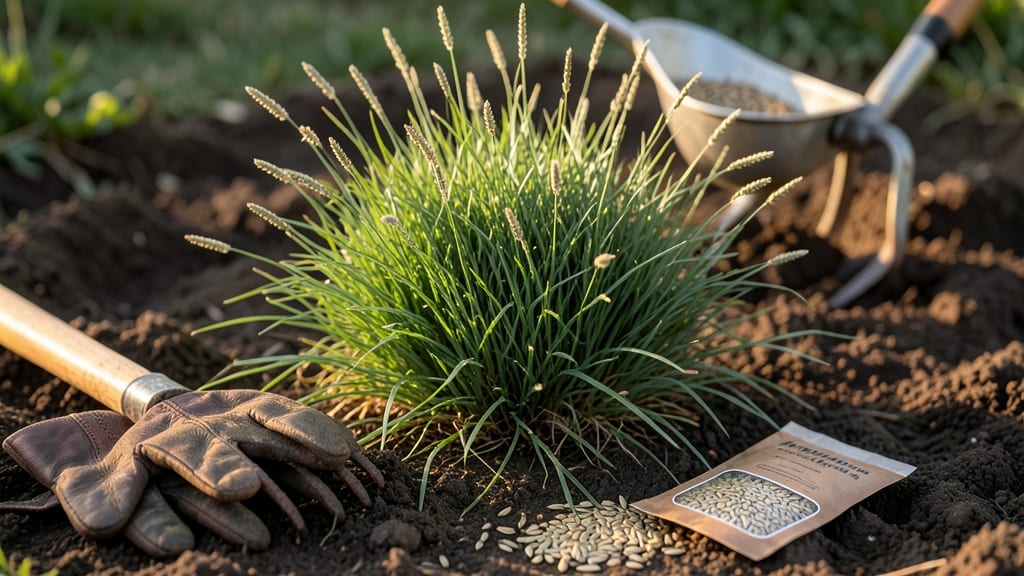
If you're asking "when do you plant rye grass in Texas", timing is everything—especially when Texas heat or unpredictable rains can turn your hard work into a gamble.
The wrong window means sparse coverage, wasted seeds, or even total failure, while the right moment gives you a thick, resilient lawn or pasture before winter sets in.
For most of Texas—especially zones 8a-10b—fall is the golden window, with September through November offering the perfect balance of warm soil and cooling temperatures. But here’s the catch: North Texas and South Texas don’t play by the same rules.
What works in Lubbock might flop in Houston, thanks to microclimates that shift frost dates and rainfall patterns.
Spring planting is possible, but it’s riskier—unless you’re in the far southern tip where frost is rare. We’ll break down the exact deadlines by region so you can avoid common mistakes, like planting too late when summer’s brutal heat is still lingering or too early when weeds take over.
Ready to nail your 🌾 ryegrass planting? Let’s dive into the science-backed schedule that’ll save you time, money, and frustration—no guesswork required.
Best planting deadlines for rye grass in Texas by region
Texas’s diverse climate zones mean your 🌾 ryegrass planting deadline in Amarillo won’t match Corpus Christi’s. North Texas (zones 8a-8b) gets frost as early as mid-November, while South Texas (zones 9a-10b) might not see frost until January—or ever in some areas.
Even Central Texas (zones 8b-9a) has a 3-week difference in frost dates between Austin and San Antonio.
To avoid brown patches or seedling failure, plant 4-6 weeks before your area’s first frost. For most of Texas, that’s late August through November, but South Texas can stretch into December.
Spring planting is trickier—only viable in February-March for North/Central Texas, while South Texas can wait until March-April.
Here’s the breakdown by region, including soil temperature and rainfall considerations that make or break success:
| Region | USDA Zone | Fall Planting Window | Spring Planting Window | First Frost Date | Soil Temp Goal (°F) |
|---|---|---|---|---|---|
| North Texas (Amarillo, Lubbock) | 8a-8b | Late August–October 15 | February 1–March 15 | November 15–December 1 | 60–75°F |
| Central Texas (Austin, Waco) | 8b-9a | September 1–November 1 | February 15–March 30 | November 20–December 10 | 65–75°F |
| South Texas (Houston, Corpus Christi) | 9a-10b | September 15–December 15 | March 1–April 15 | January 1–No frost | 70–80°F |
Why these deadlines? Soil temperatures below 60°F slow germination, while above 85°F stresses seedlings. North Texas’s dry winds also demand faster establishment—plant too late, and drought or weeds will outcompete your ryegrass. South Texas’s humidity and warmer soils let you plant later, but hurricane season (June-November) can delay prep.
Pro tip: Check your local AgriLife Extension office for microclimate adjustments. For example, Hill Country’s limestone soil drains faster than Gulf Coast clay—adjust watering to match. Use a soil thermometer ($10 at garden centers) to confirm temps before planting.
Rainfall is another wild card. North Texas needs 1–1.5 inches/week post-planting, while South Texas can handle drier conditions once established. If your area’s forecast shows drought warnings, irrigate daily for 2 weeks to help seeds germinate.
For pasture mixes, aim for September 1–October 15 across Texas—this gives ryegrass time to root deeply before winter. If you’re overseeding Bermuda grass lawns, wait until October 1–November 1 to avoid summer heat stress.
Missed the fall window? Don’t panic—spring planting can work if you’re in South Texas or higher elevations. Just test soil moisture first; dry spring soils often need pre-watering to kickstart germination. 🌱
Fall vs. spring planting: which works better in Texas?
When deciding when to plant rye grass in Texas, the battle between fall vs. spring planting comes down to one word: survival. Fall planting is the clear winner for most Texans because it lets 🌾 ryegrass establish roots before winter’s chill sets in.
But spring planting has its niche—especially in South Texas’s milder microclimates. Let’s break down the pros and cons so you can pick the right strategy for your yard.
Fall planting gives ryegrass a 4-6 week head start before the first frost, which means stronger roots and better drought resistance once winter hits. In North and Central Texas (zones 8a-9a), this window runs from mid-September to early November.
The cooler soil and shorter days reduce weed competition, letting your ryegrass dominate. Plus, fall-planted grass stays green longer into winter, giving you a lush lawn even when temps dip.
- Establishes before frost
- Less weed competition
- Stays green longer
- Requires patience for full coverage
- Limited window in North Texas
- Fastest coverage in warm climates
- Works in South Texas (zones 9b-10b)
- Good for overseeding warm-season grasses
- High heat stress risk
- Weed competition spikes
- Requires frequent watering
Spring planting, on the other hand, is a gamble unless you’re in South Texas (zones 9b-10b), where frost is rare. The ideal window is late February to early March, but timing is critical—plant too early, and your seeds will bake in the soil.
Spring-planted ryegrass grows fastest because of Texas’s warm days, but it also faces intense weed pressure and needs daily watering to survive. Many gardeners use spring planting to overseed bermudagrass or buffalograss, filling gaps before summer’s heat kicks in.
Here’s the kicker: Spring planting in North Texas (zones 8a-9a) is almost always a failure. By April, the soil is too hot, and ryegrass seeds struggle to germinate. Even if they sprout, the grass goes dormant by June, leaving you with a brown, patchy lawn.
That’s why I recommend sticking to fall planting unless you’re in the Rio Grande Valley, where spring’s milder climate makes it viable.
If you’re torn, here’s my rule of thumb: Plant in fall for 90% of Texas. Only consider spring if you’re in South Texas or using ryegrass as a temporary cover crop before warm-season grasses take over.
And remember—soil temperature matters more than air temperature. Use a soil thermometer to confirm it’s 50-65°F before planting, whether in fall or spring.
Pro tip: If you’re in Central or North Texas, aim for a late September start. This gives your ryegrass enough time to root before the first frost, which typically hits by mid-November in Zone 8a.
For South Texas, a February planting aligns with cooler soil temps and avoids the brutal summer heat.
🌱