
Plants
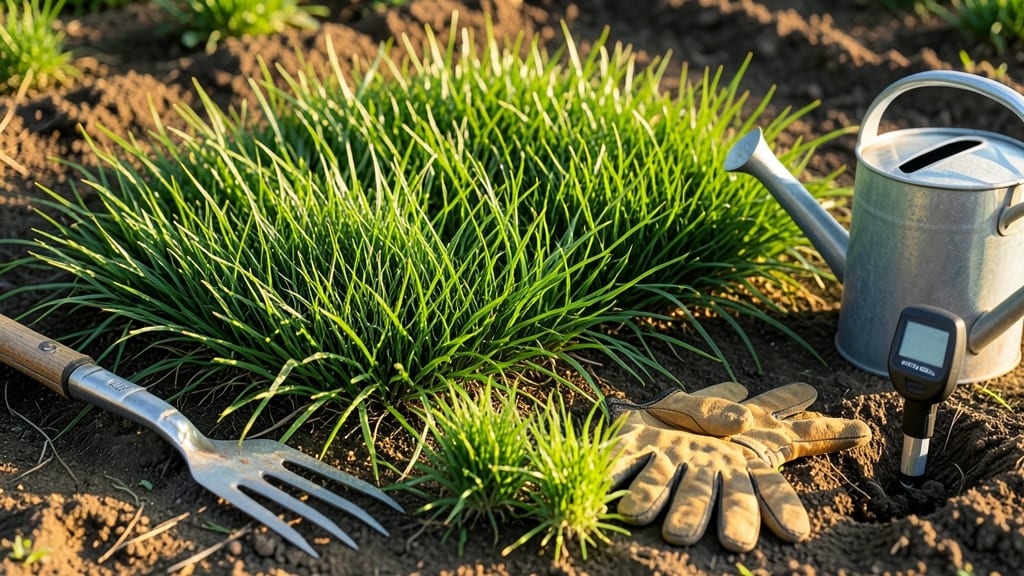
Planting Bermuda Grass 🌱 in Phoenix at the wrong time means watching your lawn turn into a crispy desert—no matter how much you water. The key to lush, green coverage lies in understanding when to plant, and it’s not what most people assume.
If you’ve ever wondered why your neighbor’s lawn thrives while yours struggles, timing is the game-changer. Phoenix’s extreme heat and alkaline soil demand a specific window—one that avoids the scorching summer months. I’ll show you exactly when to plant for maximum root establishment and year-round resilience.
Most gardeners make the mistake of planting too early, only to see their grass wither under the sun. The sweet spot isn’t late winter or spring—it’s June or July, when soil temperatures are just right for germination. Let’s break down the science behind this counterintuitive approach.
You’ll learn how to prepare your soil, avoid common pitfalls, and keep your Bermuda Grass thriving despite Phoenix’s brutal climate. Ready to transform your lawn from sad to stunning? Let’s get started.
Best months to plant Bermuda grass in Phoenix’s climate
Phoenix’s 110°F+ summer heat makes traditional spring planting a recipe for disaster for Bermuda grass. Most gardeners assume cooler months are best, but the truth is June or July is when you should plant—when soil temperatures hit 75–85°F, perfect for germination.
This counterintuitive timing avoids the extreme heat stress that kills young grass.
The key is soil temperature, not air temperature. Bermuda grass seeds need warm soil to sprout, which is why planting in late spring (May–June) often fails—seeds bake before germinating. Waiting until June–July ensures consistent moisture retention and reduces evaporation risks.
Here’s the science: Bermuda grass thrives in USDA Zone 9b, where summer heat is normal. Planting too early (March–April) exposes young grass to dormancy stress from sudden heat spikes. The sweet spot is when monsoon rains arrive, providing natural hydration for new growth.
If you’re using sod instead of seeds, the window shifts slightly to May–June. Sod establishes faster, so it can handle slightly earlier planting than seeds. But avoid planting after July 15th—the intense heat and shorter daylight hours slow root development.
Phoenix’s alkaline soil (pH 7.5–8.5) also plays a role. Bermuda grass prefers slightly acidic soil (6.0–7.0), so adjusting pH before planting is critical. I’ll cover soil prep in the next section, but timing your plant with spring rains (March–April) helps naturally lower pH temporarily.
⚠️ CRITICAL: Never plant Bermuda grass in August or later. The 100°F+ soil temperatures and reduced daylight hours (12 hours of sun by September) stunt growth. If you miss the June–July window, wait until next spring—but that risks winter dormancy issues.
| Planting Window | Soil Temp (°F) | Risk Level | Best Method |
|---|---|---|---|
| June 1–July 15 | 75–85°F | Low (ideal) | Seeds or sod |
| May 15–31 | 80–90°F | Medium (sod only) | Sod preferred |
| August 1–September 30 | 95–110°F | High (avoid) | Wait until next year |
| February–April | 60–75°F | Critical (dormancy risk) | Not recommended |
✅ Pro Tip: Use a soil thermometer to confirm temps before planting.
Once planted in the June–July window, Bermuda grass will establish 60–70% faster than spring-planted grass. The monsoon rains (July–September) provide the perfect moisture balance, while the long daylight hours (14+ hours) fuel rapid growth. By September, your lawn will be thick enough to handle Phoenix’s winter dormancy.
For sod installation, aim for late May–early June. Sod roots within 2–3 weeks if soil temps are ideal, giving it a head start before summer’s peak. Avoid rolling out sod in 100°F+ heat—it bakes the roots before they can establish.
If you’re starting from seed, June is your only safe bet. Seeds need consistent moisture for 3–4 weeks to germinate, and Phoenix’s summer storms provide that naturally. Without this timing, seeds either dry out or rot from overwatering attempts.
Remember: Bermuda grass is aggressive once established, but only if planted correctly. Skipping the June–July window means battling weeds, heat stress, and poor root development for years. Follow this schedule, and you’ll have a lush, low-maintenance lawn by fall.
Best months to plant Bermuda grass in Phoenix’s climate
Most gardeners assume spring is the best time to plant Bermuda grass 🌱—but in Phoenix, that’s a recipe for disaster. The harsh 100°F+ summers and alkaline soil demand a different strategy. The ideal window is actually June or July, when soil temperatures reach 75–85°F—perfect for germination.
Planting in spring exposes young grass to extreme heat stress, while fall planting risks early frosts (though rare in Phoenix). The key is waiting until the monsoon season kicks in, providing natural shade and moisture. This timing also avoids competing with summer weeds, giving your grass a head start.
Here’s why June–July works best for Phoenix’s climate:
| Season | Soil Temp (°F) | Risk Level | Notes |
|---|---|---|---|
| Spring (Feb–Apr) | 60–75°F | High | Grass struggles with rapid heat spikes. |
| Summer (Jun–Jul) | 75–95°F | Low | Monsoon moisture supports germination. |
| Fall (Sep–Oct) | 70–80°F | Medium | Competes with weeds; slower growth. |
If you miss the June–July window, your next best option is August, but avoid planting after September. By then, daytime temps drop too quickly, slowing root establishment. For sod (pre-grown grass), you can extend the window slightly into early August, as it establishes faster than seed.
Pro tip: Use a soil thermometer to confirm temps are 65°F+ before planting. Cold soil delays germination, even in summer. Pair this with drip irrigation to keep seeds moist without overwatering—critical in Phoenix’s dry heat.
Timing isn’t the only factor, though. The next step is soil prep, where Phoenix’s alkaline conditions can make or break your lawn. We’ll cover that in the next section, including how to adjust pH and aerate compacted clay soil for optimal growth.