
Plants
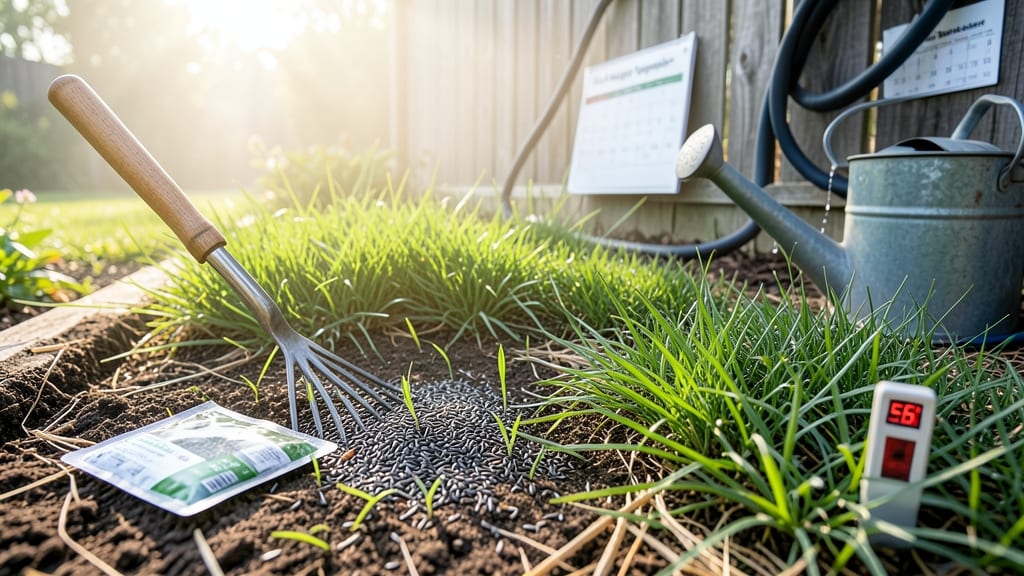
If you're staring at a patchy lawn in Massachusetts and wondering when is it too late to plant grass, the answer isn’t as cut-and-dried as you might think. While spring is the prime window, late summer and early fall can still work—if you nail the timing and conditions.
Cool-season grasses like Kentucky bluegrass and fescue thrive when planted before the first frost, but that doesn’t mean you’re out of luck if you’ve missed the spring rush.
The key to success lies in soil temperature and regional microclimates. In Massachusetts’ 5b-7a zones, aim to plant by mid-to-late September for optimal root establishment before winter sets in. Coastal areas may have a slightly later window due to milder temperatures, while inland regions need to act faster.
But don’t wait until October—soil temperatures drop below 50°F, slowing germination and risking dormancy.
Even if you’re cutting it close, the right preparation can make all the difference. We’ll cover seed selection, soil prep, and watering schedules to give your late-planted grass the best shot at thriving.
Whether you’re overseeding an existing lawn or establishing a new one, these strategies will help you avoid common pitfalls and wake up to a lush, green yard next spring.
Ready to turn your lawn around? Let’s dive into the exact steps to maximize your chances—no matter how late in the season you’re starting.
Massachusetts last-minute grass planting deadline: soil temperature rules & ideal window
If you're asking "when is it too late to plant grass in Massachusetts", the answer depends on two critical factors: soil temperature and your specific region.
For cool-season grasses like Kentucky bluegrass or tall fescue—the most common in MA—your last planting window is typically mid-to-late September, but this shifts slightly based on coastal vs. inland microclimates.
The soil must stay above 50°F for at least 4-6 weeks after planting to allow roots to establish before winter dormancy sets in.
For example, Boston and coastal areas often have warmer soil longer due to ocean influence, potentially extending your window until early October. Meanwhile, inland regions like Worcester or Springfield may need to plant by mid-September to avoid winter kill.
Always check your USDA Zone (5b-7a)—higher zones (like Cape Cod) have more flexibility, while colder inland areas demand earlier action.
🌱 Pro Tip: Use a soil thermometer to confirm temperatures. If your soil drops below 50°F before roots establish (4-6 weeks after planting), your grass will struggle to survive the winter.
| Region | Last Planting Window | Soil Temp Rule | Risk Level |
|---|---|---|---|
| Coastal (Boston, Cape Cod) | Early October | 50°F+ for 5+ weeks | Low (milder winters) |
| Inland (Worcester, Springfield) | Mid-September | 50°F+ for 4+ weeks | Moderate (colder soil) |
| Western MA (Pittsfield, Berkshires) | Late August | 55°F+ for 4+ weeks | High (earlier frost) |
🌡️ Note: Check your local first frost date (typically mid-October) and plant 6 weeks before for best results.
Even if you plant at the 11th hour, your grass can still establish—but it’ll need extra care. Late-planted grass won’t fully mature before winter, so it’ll enter dormancy weaker and may require spring overseeding to fill gaps.
For fastest germination, choose quick-start blends like tall fescue or ryegrass mixes, which sprout in 7-14 days compared to 3-4 weeks for slower varieties.
Another critical factor is daylength. By late September, days shorten significantly, reducing photosynthesis time. To compensate, fertilize lightly with high-phosphorus (e.g., 10-20-10) to boost root growth before dormancy. Avoid nitrogen-heavy fertilizers late in the season—they encourage top growth that won’t harden off before frost.
🌿 Regional Exception: If you’re in Zone 7a (e.g., parts of southeastern MA), you might push your window to early October, but monitor nighttime temps. Grass planted after October 15 in most of MA faces high winter kill risk, especially if soil temps drop below 40°F before roots establish.
For visual confirmation, watch your neighbor’s lawn. If their newly planted grass is already turning brown by mid-October, it’s a sign you’ve missed the optimal window.
At this point, focus on soil prep for spring—aerate, add compost, and plan to overseed in early April.
If you’re desperate to plant in October, consider sod instead of seed. Sod establishes immediately and can handle cooler temps better, though it’s more expensive.
For seeds, cover with straw to insulate roots and reduce watering frequency as temps drop—overwatering late in the season can drown roots before they harden off.
Finally, track your progress with a gardening journal. Note the exact date you planted, soil temp, and first signs of germination. This data will help you adjust next year’s timeline, especially if you’re in a transition zone where frost dates vary yearly.
How to maximize success when planting grass late: pro tips for fall planting in MA
If you’re planting grass in Massachusetts after the ideal spring window, don’t stress—late summer and early fall can still yield great results with the right approach. The key is to compensate for cooler soil temperatures and shorter daylight hours by focusing on seed selection, soil prep, and consistent watering.
Cool-season grasses like tall fescue and Kentucky bluegrass thrive when planted in late August to mid-September, but you can push it to early October in milder coastal areas like Cape Cod.
Start with fast-germinating seed blends designed for fall planting. Brands like Scotts Turf Builder or Pennington Smart Seed offer varieties that sprout in 7-14 days at soil temps as low as 50°F.
These seeds are pre-treated to handle cooler conditions, giving your lawn a fighting chance before winter dormancy sets in. Pair them with a starter fertilizer (high in phosphorus) to encourage root development during the critical first 30 days.
Don’t overlook the importance of mowing height during late planting. Keep your mower blade set to 3-4 inches to shade the soil and retain moisture. Longer grass also competes with weeds more effectively, reducing the need for herbicides.
If you’re overseeding an existing lawn, mow it short (1-1.5 inches) just before seeding to ensure good seed-to-soil contact.
One common mistake is assuming that fall planting means less maintenance. In reality, late-season grass requires more frequent monitoring for pests like chinch bugs and diseases such as brown patch, which thrive in cool, damp conditions.
Inspect your lawn weekly and treat issues immediately. If you notice yellowing or thinning in patches, it could signal fungal infection or poor drainage—both fixable with targeted care.
With these strategies, your late-planted grass can establish strong roots before winter, giving you a head start next spring. The key is patience and consistency—don’t expect instant results, but with the right prep, you’ll see noticeable improvement by May or June.
And if all else fails, remember: overseeding in early spring is always an option to refresh your lawn.