
Plants
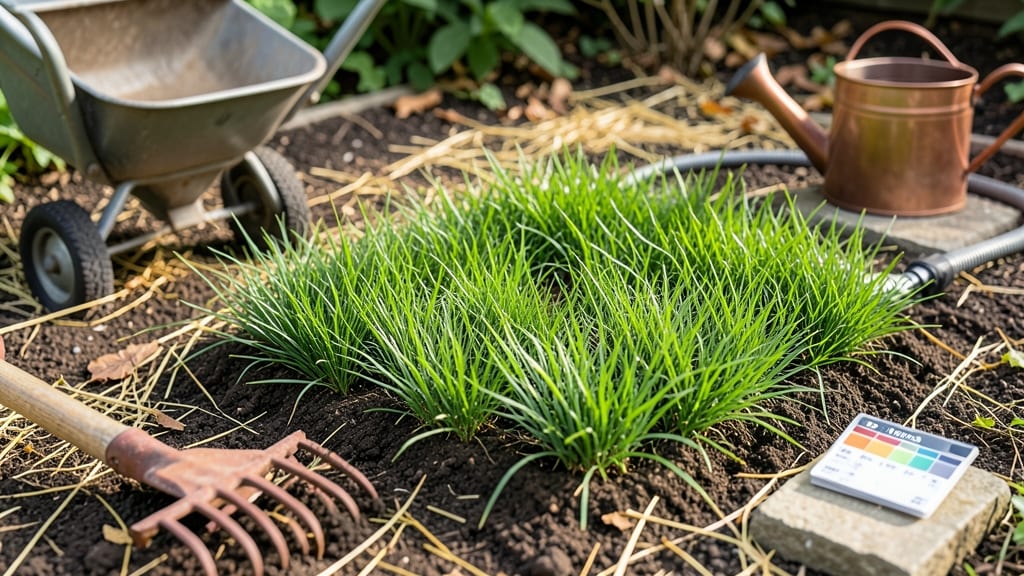
Planting grass seed in the fall is your best shot at a thicker, greener lawn—but get the timing wrong, and you’ll waste time and money. The 4-week window before first frost is critical, as cooler temps help seeds germinate while weeds slow down.
In USDA Zone 6a, that means aiming for late August to early October, but your exact deadline depends on your local frost date.
Why does this timing matter? Fall planting lets grass roots establish deep before winter dormancy, giving you a head start in spring. Plus, fewer weeds and pests compete with your 🌱 seedlings, making success easier.
Whether you’re overseeding a patchy lawn or starting fresh, nailing this window is the key to long-term results.
You might think spring is the better time, but fall actually gives grass a fighting chance—especially in regions with cold winters. The cooler soil temperatures reduce stress on young plants, while consistent moisture (thanks to autumn rains) keeps them thriving.
Let’s break down exactly how to calculate your planting window and prep your lawn for success.
From soil prep to seed selection, every step counts when you’ve got just a few weeks to work. I’ll walk you through the 5 critical steps to ensure your grass takes root before winter sets in. Ready to transform your lawn next season? Let’s get started.
The perfect fall grass seed planting window: 4-Week rule explained
Fall planting gives grass seed the 4-6 weeks it needs to develop deep roots before winter dormancy. This 4-week window before first frost is your golden opportunity—cooler air, fewer weeds, and ideal soil moisture create perfect conditions for germination and establishment.
Missing this window risks shallow roots that struggle to survive winter or compete with spring weeds.
Most regions in the U.S. experience their best fall planting between mid-August and mid-October, but exact dates depend on your USDA hardiness zone. For example, Zone 5 gardeners should aim for late August to early September, while Zone 8 can extend planting until mid-November.
The key metric isn’t the calendar date—it’s the soil temperature, which should stay above 50°F (10°C) for at least 4 weeks after planting.
Use the 4-week rule as your guide: count backward from your average first frost date. Check the National Weather Service frost maps or local cooperative extension service for precise deadlines.
Planting too early (e.g., July) risks drought stress, while planting too late (e.g., November) leaves seeds vulnerable to freezing ground before roots establish.
Here’s why this timing works: Cool fall temperatures reduce water evaporation, keeping seeds moist longer. Fewer weeds compete for nutrients, and shorter daylight hours encourage grass to focus on root growth rather than leaf production.
In contrast, spring planting often results in shallow roots because seeds prioritize top growth to take advantage of longer daylight.
Regional variations matter. Northern climates (Zones 3-5) should plant by early September, while Southern climates (Zones 7-9) can extend until late October. Even within a zone, microclimates (like urban heat islands or shaded areas) can shift your ideal window by 1-2 weeks.
Always err on the earlier side—you can always overseed later if needed.
Pro tip: If your area experiences unpredictable frost dates, use a seed germination calculator (available from seed companies) to estimate when your seeds will sprout. Aim for sprouting 6 weeks before first frost—this ensures roots have time to harden off before winter.
| Region | USDA Zones | Ideal Planting Window | Soil Temp Requirement | Key Benefit |
|---|---|---|---|---|
| Northern U.S. | 3-5 | Late August–Early September | 50–65°F (10–18°C) | Longer daylight for root growth |
| Mid-Atlantic | 6-7 | Mid-September–Mid-October | 55–70°F (13–21°C) | Moderate humidity reduces drought risk |
| Southern U.S. | 8-10 | Late September–November | 60–75°F (16–24°C) | Warmer soil speeds germination |
| Mountainous Areas | 4-6 | Early August–Late September | 45–60°F (7–15°C) | Cooler nights slow weed growth |
Don’t let myths about fall planting hold you back. Some gardeners avoid fall seeding because they fear winter kill, but modern grass varieties are bred for cold tolerance.
Others worry about snow mold, but proper seed coverage (with straw or compost) and choosing disease-resistant varieties minimizes risks. The real danger is planting too late—seeds need time to germinate, grow roots, and establish before ground freezes.
For cool-season grasses (like Kentucky bluegrass, fescue, and ryegrass), fall is the optimal season because they naturally go dormant in summer and rejuvenate in fall. Warm-season grasses (like Bermuda or Zoysia) can also be overseeded in fall, but they thrive best with spring planting.
Always check your seed packet for specific recommendations—some blends are formulated for fall success.
To stay on track, mark your local frost dates on a calendar and count backward. If you’re unsure, test your soil temperature with a soil thermometer—plant when it’s consistently above 50°F (10°C) during the day.
Remember: the earlier you plant within the window, the more time roots have to anchor deeply before winter. This means a greener, stronger lawn next spring with fewer weeds to compete.
The perfect fall grass seed planting window: 4-Week rule explained
Fall planting gives grass roots 6-8 weeks to establish before winter dormancy, but timing is everything. The 4-week window before first frost is your sweet spot—cool soil temps (50-65°F) encourage germination while weeds slow down.
In USDA Zone 6a, that’s typically late August to early October, but your exact deadline depends on local frost dates.
Why this window? Grass seeds germinate best when soil temps stay above 50°F (10°C) but below 75°F (24°C). Fall’s cooler air and moist soil create perfect conditions—no more struggling with summer heat stress or spring’s competitive weeds.
Miss this window, and your seeds may sprout too late, leaving them vulnerable to frost before roots establish.
To find your exact planting window, check the average first frost date for your area using the USDA Plant Hardiness Zone Map. Count back 4-6 weeks—that’s your start date.
For example, if frost hits November 15, aim to plant by October 1 to give roots time to grow 3-4 inches deep before winter.
| USDA Zone | Ideal Planting Window | Soil Temp Range | Key Benefit |
|---|---|---|---|
| Zones 3-5 (Cold Climates) | Late August - Mid-September | 50-65°F (10-18°C) | Minimizes frost risk; deep root growth |
| Zones 6-7 (Temperate) | Mid-August - Early October | 55-70°F (13-21°C) | Balances germination and weed control |
| Zones 8-10 (Warm Climates) | September - Early November | 60-75°F (16-24°C) | Avoids summer heat; extends growing season |
Regional differences matter! In Northern climates (Zones 3-5), prioritize early fall planting to avoid early frosts. Southern zones (8-10) can plant later, but avoid temperatures above 75°F (24°C), which stresses seeds. Pro tip: Use a soil thermometer to confirm temps are in the ideal range before planting.
Don’t wait until the last minute—seeds need time to germinate and establish roots. If you plant too close to frost, your lawn will struggle to recover in spring. Start early in the 4-week window for the best results, especially if your area has unpredictable weather patterns.
Once you’ve locked in your planting window, the next step is soil prep. Loosen compacted soil, adjust pH to 6.0-7.0, and remove weeds to give your grass seedlings a fighting chance. A well-prepared lawn makes all the difference in fall success.