
Plants
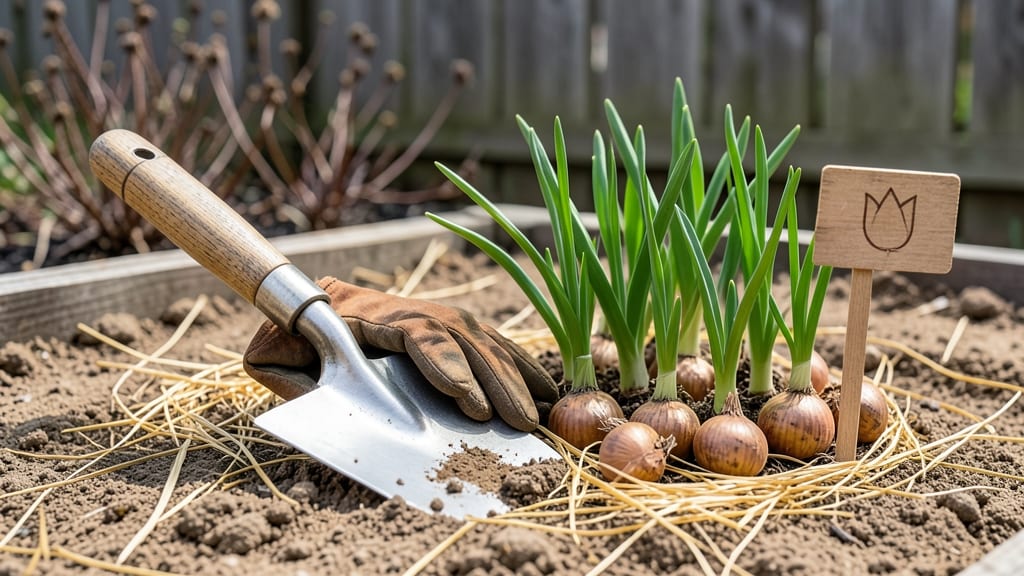
Planting tulips in Georgia might seem tricky with its mild winters, but timing is everything for those bold spring blooms you’ve been dreaming of. The key is getting those bulbs in the ground during the cool fall months—between October and November—when soil temps drop but frost hasn’t arrived yet.
Georgia’s 7b-8b climate zones mean tulips need a chilling period to bloom, so planting too early or late can leave you with weak stems or no flowers at all.
Whether you’re in North Georgia’s cooler hills or the warmer South, the right schedule ensures your tulips 🌷 push through the soil come April.
I’ll break down the exact window, soil prep tricks, and how to adjust for Georgia’s unpredictable weather. By the end, you’ll know exactly when to plant for vibrant, long-lasting blooms—no guesswork involved.
Ready to transform your yard into a springtime showstopper? Let’s get those bulbs in the ground the right way.
Best planting months for tulips in Georgia’s unique climate zones
Georgia’s USDA zones 7b-8b create a tricky balance for tulips, which need 6-8 weeks of winter chill but can’t handle late freezes. The sweet spot? Planting in October or early November when soil temps drop below 60°F (15°C) but before ground freezes.
This timing ensures bulbs establish roots while avoiding summer heat stress.
In North Georgia (Zone 7b), where winters are cooler, you’ve got more flexibility—plant as late as mid-November. But in South Georgia (Zone 8a), mild winters demand earlier action: aim for September-October to guarantee that chilling requirement is met before spring arrives.
Missed the window? Don’t panic. You can plant as late as December in Zone 7b, but cover bulbs with 3-4 inches of mulch to protect them from erratic temperature swings. Just know your blooms may arrive later—or not at all—if conditions aren’t ideal.
Pro tip: Check your last frost date (typically mid-April) and count backward. Tulips need 4-6 weeks to root before winter sets in. Use this planting calculator to pinpoint your exact window based on your county’s microclimate.
🌷 Georgia Tulip Planting Timeline by Zone
| Zone | Ideal Planting Window | Soil Temp Requirement | Key Consideration |
|---|---|---|---|
| 7b (North GA) | October 15–November 15 | Below 60°F (15°C) | Cooler winters allow late planting |
| 8a (South GA) | September 15–October 15 | Below 65°F (18°C) | Mild winters require earlier start |
| Both Zones | December (emergency) | Mulch required | Risk of poor blooms or late flowers |
Why does soil temperature matter so much? Tulip bulbs need consistent coolness to trigger root growth. If you plant too early (e.g., September in Zone 8a), bulbs may sprout prematurely and get fried by summer heat.
Too late (e.g., December in Zone 7b), and they won’t establish roots before winter.
For container gardening, adjust your timeline by 2-3 weeks earlier. Pots heat up faster and dry out quicker, so bulbs need more time to root. Use black plastic pots to absorb heat and mimic ground conditions, or plant in shaded containers to slow warming.
Local variations matter! In Atlanta (Zone 7b), aim for October 20–November 10. But in Savannah (Zone 8a), September 20–October 10 is your best bet. Check your local Cooperative Extension Service for hyper-local frost data—it’s your secret weapon for success.
One more pro move: Pre-chill bulbs if you’re planting late. Store them in your refrigerator’s crisper drawer (not freezer!) for 6-8 weeks before planting. This mimics winter conditions and jumpstarts root growth, giving your tulips a fighting chance in Georgia’s warm winters.
Remember: Bulb quality is non-negotiable. Buy certified disease-free tulips from reputable nurseries like Barefoot Bulbs or Georgia’s own Planting Fields Nursery. Cheap bulbs often carry viral diseases that thrive in Georgia’s humidity, leading to weak or no blooms.
Finally, mark your calendar for April-May when those bold spring blooms will reward your timing precision. With the right schedule, your Georgia garden will be a sea of color just as summer’s heat kicks in—giving you months of enjoyment before the next planting season rolls around. 🌷
How to time tulip planting for Georgia’s unpredictable weather patterns
Georgia’s mild winters and unpredictable frost dates can throw off even the best-laid planting plans. The key is planting tulip bulbs 4-6 weeks before the first frost—typically between mid-October and early November—but staying flexible for late freezes.
In North Georgia (Zone 7b), aim for early October, while South Georgia (Zone 8a/8b) gardeners can wait until late October or even early November.
Use your local frost date as a guide: tulips need 12-16 weeks of cold temps (40°F or below) to bloom properly. Check the National Weather Service or your local Cooperative Extension for updates, as Georgia’s frost dates can shift 1-2 weeks earlier or later each year.
Pro tip: Plant a few extra bulbs in containers for flexibility—you can move them to a sheltered spot if frost threatens early.
Soil temperature matters just as much as air temperature. Tulip bulbs should go into 50-60°F soil—warmer than that, and they’ll rot; colder, and they won’t root properly. Test your soil with a soil thermometer (available at garden centers for ~$10).
If temps are still above 60°F in October, wait a week or two before planting.
⚠️ Late Frost Risk: Don’t Plant Too Early!
Georgia’s unpredictable late frosts (even in April!) can damage emerging tulip shoots. If you plant in September, mulch heavily with 4-6 inches of straw or shredded leaves to insulate bulbs. For extra protection, choose late-blooming varieties like ‘Darwin Hybrids,’ which push through frost better than early types.
🌱 Action Step: Mark your calendar for November 15th as your absolute last planting date—after that, bulbs won’t have enough time to root before winter.
If Georgia’s weather throws you a curveball—like an early freeze in October or a mild December—adjust your timeline. For early freezes, plant bulbs in containers and bury them in the ground once temps drop.
For mild winters, chill bulbs in the fridge for 8-10 weeks before planting to mimic winter conditions. This trick works especially well for South Georgia gardeners in Zones 8a/8b.
Watering is another critical factor. After planting, give bulbs a deep watering to settle the soil, then reduce watering until spring. Overwatering in fall can cause bulbs to rot, while underwatering stresses them before they’ve established roots.
Aim for 1 inch of water per week until the ground freezes. Once snow or frost arrives, let nature take over—tulips are dormant and don’t need water until shoots emerge in spring.
Finally, mulch like a pro to regulate soil temperature and retain moisture. Use straw or pine needles (avoid leaves—they mat down and trap moisture). Apply 2-3 inches after planting, then add another 1-2 inches in late fall once the ground freezes.
This mulch blanket protects bulbs from temperature swings and keeps them consistently cool—just what tulips need to bloom spectacularly next spring.