
Plants
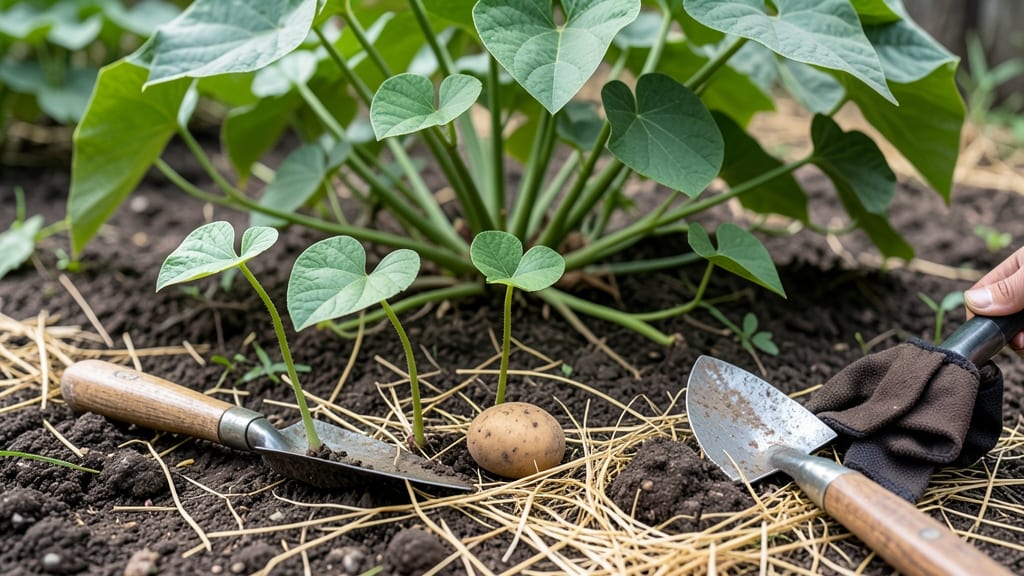
If you’ve ever wondered when to plant sweet potatoes in Alabama, timing is the secret to turning your garden into a sweet, orange treasure trove. These heat-loving 🍠 roots demand patience—plant too early, and frost will nip them.
Too late, and you’ll miss the long, sun-drenched growing season that Alabama’s 7b-8b zones provide.
Most gardeners in Alabama start planting sweet potato slips between late April and early June, once the soil warms to at least 65°F and the danger of frost has passed.
But here’s the catch: whether you’re in North Alabama’s cooler hills or the warmer South, your exact window depends on soil temperature, not just the calendar.
In this guide, I’ll walk you through the exact planting schedule for your region, including how to tell when your soil is truly ready.
You’ll also discover whether slips or seeds work better in Alabama’s climate—and how to avoid the most common mistakes that turn sweet potato dreams into wilted vines.
Ready to grow bigger, sweeter harvests? Let’s get your 🍠 plants in the ground at the perfect moment for Alabama’s summer heat.
Alabama’s sweet potato planting window: exact dates for maximum yield
Alabama’s long growing season and hot summers make it ideal for sweet potatoes—but timing is critical. Plant too early, and your slips will rot from lingering cool soil.
Plant too late, and your harvest may shrink before first frost hits. The sweet spot? After your last frost date when soil warms to 65°F (18°C).
Most Alabama gardeners aim for late April to early June for optimal yields. In northern Alabama (USDA Zone 7b), wait until mid-May to avoid early-season chills. Meanwhile, southern Alabama (Zone 8b) gardeners can start as early as late March in protected microclimates.
Sweet potatoes don’t tolerate transplant shock well, so using slips (young plants) is far more reliable than seeds. Slips should be 3-4 inches tall with roots already forming when planted. If you’re growing from seed, start them indoors 10-12 weeks before your target outdoor date.
Here’s the critical timeline for Alabama gardeners:
| Stage | Action | Alabama Timing |
|---|---|---|
| Soil Prep | Test pH (6.0-6.5), amend soil | March-April |
| Slip Purchase | Buy healthy slips (3-4" tall) | April-May |
| Planting | Plant slips 3" deep, 12" apart | Late April-Early June |
| Harvest | Dig when vines yellow/brown | October-November |
Alabama’s USDA Zones 7b-8b offer flexibility, but don’t rush—soil temperature matters more than calendar dates. Use a soil thermometer to confirm 65°F+ before planting. If your soil stays cool, wait another week or two; cold soil = rotting slips.
For extended harvests, try succession planting in southern Alabama. Plant a second batch in early June for a late-season crop. Just be ready to harvest before frost, which typically arrives by mid-November in most regions.
Local variety selection also impacts timing. Beauregard and Georgia Jet mature in 90-100 days, perfect for Alabama’s short season. Centennial takes longer (110-120 days) but stores better—ideal if you’re aiming for winter storage.
Pro tip: If you’re in northern Alabama and miss the spring window, don’t despair. You can still plant slips in late June for a smaller harvest, but use black plastic mulch to warm the soil faster and extend the season by 2-3 weeks.
Remember, sweet potatoes are heat-lovers—they thrive in Alabama’s 90°F+ days. The earlier you plant, the more time they have to bulk up before fall’s cooling trend slows growth. Aim for a 105-day maturity window to maximize tuber size.
How to prepare Alabama soil for sweet potatoes: a step-by-step heat-ready guide
Alabama’s red clay and sandy soils can be tricky for sweet potatoes—too dense, and roots struggle; too loose, and they dry out fast. The key is creating a well-draining, nutrient-rich bed that holds moisture while allowing those tubers to expand freely.
Start by testing your soil’s pH (6.0-6.5 ideal) and amending it with organic matter to mimic the loose, airy texture sweet potatoes crave.
I’ve learned the hard way that skipping soil prep means small, misshapen tubers or plants that wilt in summer heat. Here’s my foolproof method for Alabama gardeners, tailored to our hot, humid climate and common soil types. Grab your gloves—we’re digging in!
🌱 Step-by-Step Alabama Soil Prep for Sweet Potatoes
- Test & Adjust pH: Aim for 6.0-6.5. Alabama’s clay? Add pine fines or sulfur to lower pH if needed.
- Remove Weeds: Sweet potatoes hate competition. Till or hand-pull weeds from a 12-inch-deep bed.
- Amend with Compost: Mix in 3-4 inches of well-aged compost or aged manure for nutrients.
- Loosen Soil: Use a broadfork to break up clay compaction without disturbing topsoil.
- Add Organic Matter: Blend in peanut hulls (local favorite!) or leaf mold for moisture retention.
- Mulch Heavily: Cover with 4-6 inches of straw after planting to lock in moisture and regulate soil temp.
For Alabama’s sandy soils, add 1 part compost to 2 parts soil—this helps retain moisture without suffocating roots. If you’re in North Alabama’s cooler microclimates, extend your bed’s width to 18 inches deep for better heat absorption.
Pro tip: Water your amended soil 24 hours before planting to settle it and create a cozy environment for those slips.
Sweet potatoes thrive when their roots can sprawl freely, so avoid working the soil too finely. Think of it like preparing a luxury hotel for tubers—soft, airy, and packed with nutrients.
If your soil feels like concrete after rain, add coir or coconut fiber to improve drainage. And remember: Alabama’s heat dries out soil fast, so mulching isn’t optional—it’s survival.
One mistake I see often? Over-fertilizing with nitrogen-heavy amendments. Sweet potatoes need phosphorus and potassium for tuber development, not leafy growth. Stick to a balanced 5-10-10 fertilizer applied lightly at planting, then again in early summer. Too much nitrogen = leafy monsters with tiny roots.
Your sweet potatoes will reward you with bigger, sweeter harvests when you give them the perfect Alabama soil bed. Now grab your tools—those slips won’t plant themselves! 🌱