
Plants
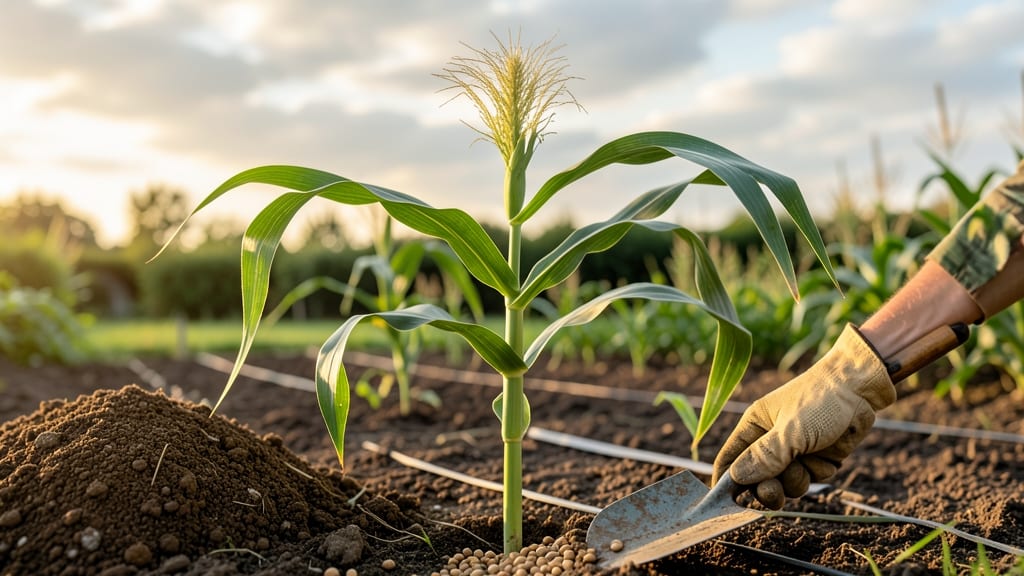
Timing your 🌽 corn planting in North Alabama isn't just about the calendar—it's about catching that sweet spot between frost risks and scorching summer heat. Skip the guesswork, and you could end up with stunted plants or wasted seeds.
The April 15 to May 15 window exists for a reason, but even then, your location within Zone 7a-7b matters more than you might think.
Let me break down exactly when to plant for your specific corner of North Alabama, whether you're in the cooler mountain regions or the warmer valleys.
We'll cover soil temperature tricks, frost-free strategies, and how to adjust if Mother Nature throws you a curveball. No more second-guessing—just proven timing for the heat-loving varieties that thrive here.
You'll discover the 3 key signs your corn is ready to hit the soil (and when to hold off), plus how to stretch your growing season with simple tools.
This isn't just theory—it's the real deal from gardeners who've learned the hard way what happens when you plant too early or too late. Let's get your corn off to the fastest, healthiest start possible.
Ready to transform your garden from "hopeful" to "harvest-ready"? The clock is ticking, and your July-September corn feast depends on getting this right. I'll walk you through every step, from soil prep to seed spacing, so you can finally stop stressing and start enjoying the process.
Let's make this your best corn season yet.
Optimal corn planting dates in North Alabama by variety type
North Alabama’s Zone 7a-7b climate demands precise timing for corn—plant too early, and frost will kill tender seedlings; too late, and your harvest suffers from summer heat. The ideal window spans mid-April to mid-May, but your corn type matters.
Sweet corn, field corn, and popcorn each have unique heat and growth needs that shift your planting dates slightly.
For sweet corn, the most popular choice, aim for April 15–May 1 to avoid bolting (premature flowering) from late-spring heat. Field corn, used for livestock or grain, can handle slightly later planting—May 1–15—since it tolerates higher temperatures better.
Popcorn, a heat-loving variety, thrives when planted late May, giving it time to mature before fall frosts.
Soil temperature is your true planting compass. Corn won’t germinate until soil reaches 60°F. In North Alabama, this typically happens by mid-April in valleys but may linger until late April in mountainous regions. Use a soil thermometer to confirm—waiting for the right temp prevents slow, uneven sprouting.
| Variety | Planting Window | Soil Temp Requirement | Days to Maturity | Notes |
|---|---|---|---|---|
| Sweet Corn | April 15–May 1 | 60°F+ | 60–90 days | Plant early to avoid bolting |
| Field Corn | May 1–15 | 60°F+ | 90–120 days | Tolerates heat better |
| Popcorn | Late May | 65°F+ | 100–120 days | Needs longest growing season |
If you’re planting multiple varieties, stagger your dates by 1–2 weeks to ensure a continuous harvest. For example, start sweet corn on April 20, then follow with another batch on May 5 for a 3-week harvest window. This technique maximizes your garden’s productivity and reduces waste.
North Alabama’s unpredictable spring weather can throw off even the best-laid plans. Keep an eye on the 10-day forecast—if a hard freeze is predicted after planting, use row covers or move seedlings indoors temporarily.
The Alabama Cooperative Extension System recommends monitoring local frost-free dates, which average March 15 (last frost) and November 15 (first frost).
For early-season planting, consider warm-season covers or black plastic mulch to raise soil temperatures 5–10°F faster. This trick lets you plant sweet corn as early as late March in sheltered microclimates.
Just remove the cover once seedlings emerge to prevent overheating. My garden’s earliest corn always thrives with this method!
Pro tip: Direct-sow corn—it hates transplanting. Seeds should be 1 inch deep and spaced 4–6 inches apart in rows 30–36 inches apart. Thinning seedlings to 10–12 inches apart later ensures each plant gets enough nutrients.
Mark your rows with stakes or flags to avoid disturbing the soil later.
Harvest timing varies by variety, but most sweet corn is ready 75–90 days after planting. Field corn takes longer—100–120 days—so plan accordingly. If you miss the window, don’t despair: Dry down ears for winter storage or use field corn for livestock feed. Every ear counts!
Remember: Corn loves heat, but it hates drought. Planting in April–May gives your crop the longest possible growing season before fall frosts. With the right timing, you’ll enjoy juicy sweet corn straight from your North Alabama garden! 🌽
How to adjust planting timing for North Alabama’s microclimates
North Alabama’s mountain valleys and plateau regions can feel like two different climates when it comes to corn planting. The Appalachian foothills near Chattanooga might still see frost in early May, while areas like Huntsville’s valleys can hit 80°F soil temperatures by mid-April.
These microclimates mean your neighbor’s perfect timing might be your disaster.
For cooler mountain areas (like Zone 7a), wait until May 1 to plant—this gives you a 10-day buffer against late frosts that can kill young seedlings.
In warmer valleys (like Zone 7b), you can safely start as early as April 15, but monitor soil temps closely—corn needs 60°F+ soil to germinate properly.
🌱 Pro Tip: Use a soil thermometer (just $10 at garden centers) to check temps at 4-inch depth.
If it’s below 55°F, your seeds will rot in the ground. Black plastic mulch can warm soil by 5-10°F in just days—ideal for pushing back mountain planting dates by a week.
⚠️ Warning: The "Early Bird" Trap
Planting too early in North Alabama’s unpredictable springs is the #1 mistake. Young corn won’t survive a 32°F night—even if the daytime highs feel warm. I’ve seen April-planted corn in the mountains wilt overnight after a single frost in late April.
Solution: If you’re eager to start early, use row covers or cold frames to protect seedlings until they’re 6 inches tall. Remove covers when tassels emerge to prevent heat stress.
Another trick? Succession planting in June for a fall harvest. While your spring crop matures in July-August, a late-summer planting can produce second ears by October—just choose shorter-day varieties like ‘Silver Queen’ that mature faster in cooler fall temps.
Watch for localized heat pockets too—south-facing slopes warm up 2-3 weeks earlier than north-facing areas. If your garden sits in a sunken spot, it may stay 10°F cooler than the surrounding land. Test multiple spots with your soil thermometer before committing to a planting date.
Finally, track your own data. Keep a planting journal for 3 years to spot patterns. Note when soil warms, when first frost hits, and how rainfall affects germination.
Last year, my Huntsville garden had 3 weeks of 90°F+ days in June—perfect for succession planting, but deadly for slow-growing mountain varieties.