
Companion Plants
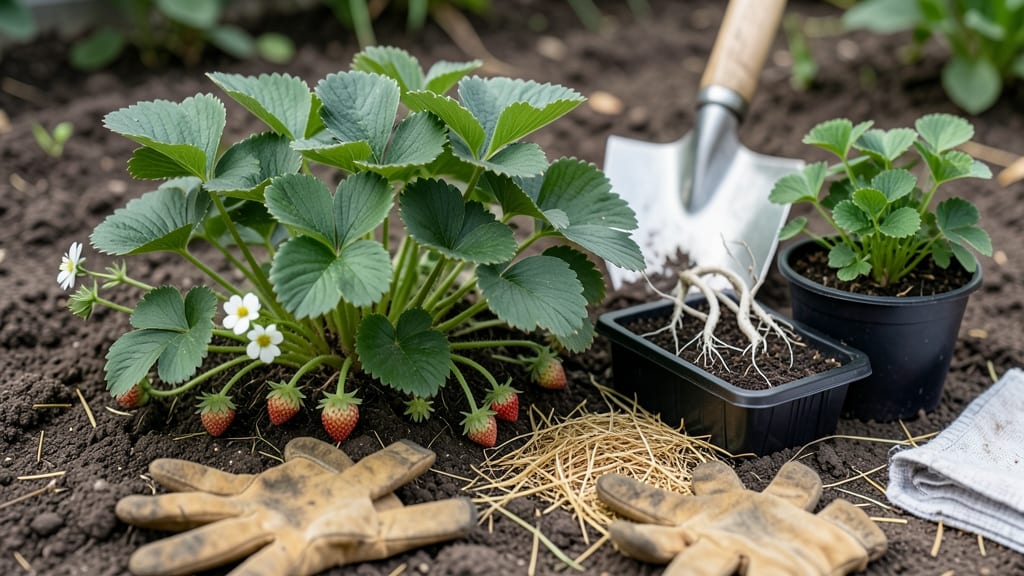
Knowing when to plant strawberries in Zone 6 can mean the difference between a bountiful harvest and struggling with weak plants. The 🍓 thrives when planted at the right time, but Zone 6’s unpredictable spring frosts and summer heat make timing tricky.
Most gardeners in Zone 6 (6a-6b) get their best results by planting in early spring—between March and April—when soil temperatures hit 40-50°F. This gives plants a head start before last frost, usually around mid-April.
But don’t overlook fall planting either—August to September offers a second chance for everbearing varieties.
If you’re planting in spring, protect young strawberries with mulch or row covers to shield them from late frosts. For fall plantings, aim to get them in 6-8 weeks before the first frost (around mid-October) so they can establish roots before winter.
Whether you’re using bare-root plants or potted strawberries, getting the timing right ensures stronger roots, better yields, and fewer pests. Let’s break down the best strategies for your Zone 6 garden.
Optimal planting windows for strawberries in Zone 6: soil temperature vs. frost dates
In Zone 6, the best time to plant strawberries depends on two critical factors: soil temperature and frost dates. Strawberry roots struggle to establish in cold soil below 40°F, while late frosts after planting can damage tender new growth.
This creates a narrow but perfect window for success.
For spring planting, aim for when daytime highs consistently reach 50-55°F and nighttime lows stay above 35°F. In most of Zone 6, this falls between late March and mid-April.
Check your local last frost date—typically around April 15—and plant 2-3 weeks before to give plants time to root before frost risks fade.
Fall planting offers a second chance, especially for everbearing varieties. Plant 6-8 weeks before your first frost (usually mid-August to early September in Zone 6). This allows roots to establish before winter dormancy, leading to earlier harvests the following spring.
Bare-root strawberries can handle cooler soil better than potted plants, so they’re ideal for early spring plantings. If using potted strawberries, wait until soil temperatures are at least 50°F to avoid transplant shock.
Use a soil thermometer to verify readiness—plant when temperatures hit 40-50°F at a 4-inch depth. This ensures roots grow quickly without freezing stress.
Protect young plants with mulch (straw or pine needles) or row covers if late frosts linger. These barriers shield tender foliage while allowing roots to warm naturally.
In northern Zone 6 (6a), where frosts persist later, delay planting until mid-April or opt for June-bearing varieties planted in fall. Southern Zone 6 (6b) gardeners can start as early as late March.
Never plant strawberries in freezing soil—roots won’t establish, and plants may rot. If soil is too cold, wait or use black plastic mulch to warm it faster.
For reliable harvests, align planting with moon phases (root crops thrive during a waxing moon) and avoid planting during full moon periods when growth accelerates too quickly.
🌱
If you’re unsure about frost dates, check your local USDA Plant Hardiness Zone Map and add 2-3 weeks to the average last frost date. Zone 6’s 165 frost-free days mean you can stretch planting into early fall for a second harvest.
For container gardening, plant 1-2 weeks later than in-ground plantings since pots warm faster. Use black containers to absorb sunlight and speed up soil warming.
Remember: Strawberries planted at the right time produce larger berries and healthier plants. Don’t rush—wait for ideal conditions to set your garden up for success.
☀️✂️
Microclimate adjustments: how elevation, sun exposure, and wind affect strawberry planting timing
Your Zone 6 garden might feel uniform, but microclimates create hidden opportunities—or risks—for strawberry planting. A sheltered valley can warm 2-3 weeks earlier than a mountain slope, while a south-facing slope may bake soil faster than a north-facing bed.
Understanding these nuances lets you fine-tune planting dates for maximum success.
In higher-elevation areas (even within Zone 6), soil stays cooler longer. If your garden sits above 1,500 feet, delay spring planting until mid-April or switch to fall planting entirely. Use a soil thermometer to confirm—wait until 45°F+ at 4 inches deep before planting.
Conversely, low-lying or south-facing beds warm rapidly. Here, you can plant bare-root strawberries as early as late February if soil reaches 40°F. Cover with frost cloth at night to protect tender shoots. For potted strawberries, black containers warm fastest—plant 1-2 weeks earlier than in-ground varieties.
🌱Wind exposure also shifts timing. Open fields cool faster at night, increasing frost risk. If your garden is windy, plant 1-2 weeks later than sheltered areas or use windbreaks (like tall grasses or fencing) to create a microclimate shield. Everbearing varieties handle wind better than June-bearing types.
🌡️ Microclimate Adjustments for Zone 6 Strawberries
- 🏔️ High Elevation (>1,500 ft): Delay until mid-April or plant in fall.
- 🌞 South-Facing Beds: Can plant 2-3 weeks earlier (late Feb-March).
- 🌬️ Windy Areas: Use windbreaks or plant 1-2 weeks later.
- 🌿 Shaded Spots: Avoid—strawberries need 6+ hours of sun.
- 🏡 Urban Gardens: Containers warm faster; plant 1 week earlier.
Pro Tip: Test your microclimate for 2 weeks with a soil thermometer before planting.
Shade also plays a sneaky role. Even partial shade from trees or buildings can delay soil warming by 1-2 weeks. If your bed gets less than 6 hours of sun, consider day-neutral varieties (like 'Albion') or relocate to a sunnier spot.
Strawberries in shade produce smaller, less sweet berries and are more prone to disease.
For container gardeners, microclimates matter even more. Pots in full sun may need planting 2 weeks earlier than in-ground beds, while shaded containers should wait until late April. Use lightweight potting mix to prevent overheating roots in hot microclimates.
If your garden has multiple microclimates, prioritize planting in the warmest, sunniest spot first. This gives you a head start while cooler areas catch up.
For example, plant June-bearing varieties in the sunniest bed in late March, then add everbearing types to cooler spots in early April.
Finally, mulch type can adjust your microclimate. Black plastic mulch warms soil 5-10°F faster than straw, letting you plant 1-2 weeks earlier. Straw mulch, however, insulates roots better in fall plantings, protecting them from early frosts. Choose based on your local climate patterns.
☀️🌿