
Plants
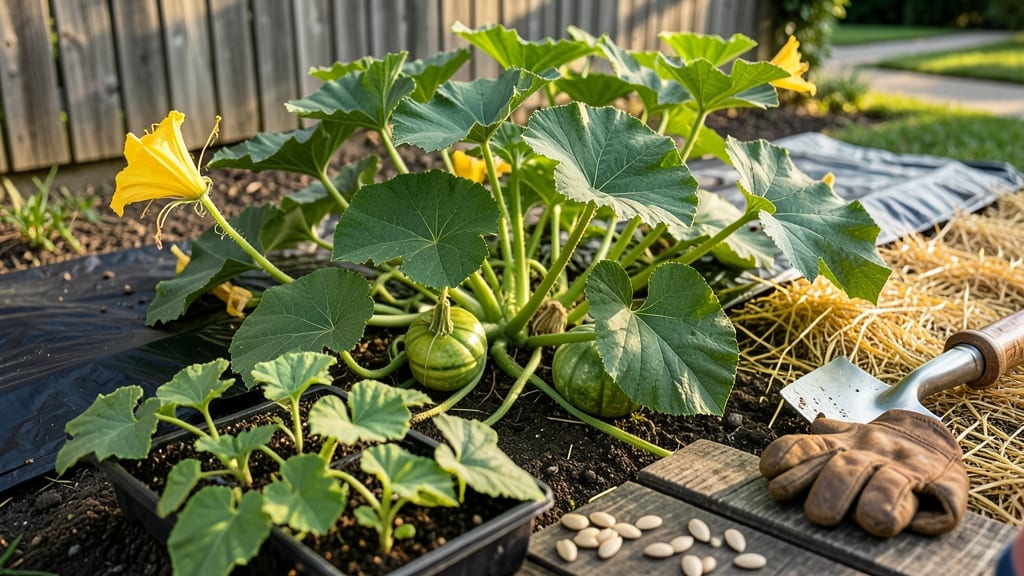
Timing when do you plant pumpkin seeds in Ohio isn’t just about the calendar—it’s about catching that sweet spot between frost and heat where your vines thrive. Plant too early, and cold soil will stall germination; too late, and your harvest might face early frost.
The key lies in soil temperatures and knowing your region’s last-frost dates, which can vary dramatically from Columbus to Cleveland.
Most Ohio gardeners wait until mid-April to early May, when soil reaches 60°F and the danger of frost has passed. But with Ohio’s 6a/6b climate, northern areas might need to wait another week or two compared to southern regions.
Whether you’re growing ‘Jack Be Little’ for quick harvests or giant ‘Howden’ pumpkins, getting this timing right means the difference between a few small fruits and a field of thriving vines.
I’ll walk you through the exact soil temperature thresholds, frost-free windows for your area, and whether to start seeds indoors or plant directly in the ground. Plus, I’ll share pro tips for extending your growing season—because in Ohio, where late frosts can sneak up, preparation is everything.
Ready to grow pumpkins like a local? Let’s break down the perfect planting window so you can enjoy a harvest from late September to October—just in time for carving (or baking!).
Ohio pumpkin planting calendar: best months by soil temperature
Ohio’s last frost dates vary dramatically—from early April in southern regions like Cincinnati to late April in northern areas like Cleveland. To avoid frost damage, wait until the soil temperature consistently reaches 60°F (15°C), which is critical for pumpkin seed germination.
In most of Ohio, this typically aligns with mid-April to early May, but always verify local forecasts.
Northern Ohio gardeners (USDA Zone 6a) should aim for late April to early May, while southern Ohio (Zone 6b) can start as early as mid-April.
Using a soil thermometer is your best tool—pumpkin seeds won’t sprout reliably below 55°F (13°C), and cold soil can stunt growth or invite rot.
Here’s a quick guide to Ohio’s regional planting windows based on average last frost dates and soil warming trends:
| Region | Last Frost Date | Ideal Planting Window | Soil Temp Threshold |
|---|---|---|---|
| Southern Ohio (e.g., Cincinnati, Columbus) | Mid-April | Mid-April to late April | 60°F (15°C) |
| Central Ohio (e.g., Dayton, Mansfield) | Late April | Late April to early May | 60°F (15°C) |
| Northern Ohio (e.g., Cleveland, Toledo) | Early to mid-May | Early May | 60°F (15°C) |
For a head start, you can begin seeds indoors 2-3 weeks before your target outdoor date. Use biodegradable pots to avoid transplant shock, and harden off seedlings by gradually exposing them to outdoor conditions for 1-2 hours daily in the week leading up to planting.
Ohio’s short growing season (about 165 frost-free days) means you’ll need to choose fast-maturing varieties (75-90 days to harvest) like 'Jack Be Little' or 'Sugar Pie' for northern regions. Southern Ohio can handle slightly longer-season varieties like 'Howden' or 'Cinderella', which take up to 120 days to mature.
Pro tip: If you’re eager to plant earlier, use black plastic mulch to warm the soil faster—this can shave off 1-2 weeks from your planting timeline. Just be sure to remove it once vines emerge to prevent overheating.
Always check the Ohio Agricultural Research and Development Center or local Cooperative Extension offices for year-specific frost predictions, as microclimates and weather patterns can shift dramatically from year to year. A 5-day forecast of warm nights (above 50°F) is your green light to plant!
Remember, pumpkin seeds are sensitive to cold soil, so rushing can lead to poor germination. Patience here pays off with healthier vines and bigger pumpkins by harvest time. 🎃
Ohio pumpkin planting calendar: best months by soil temperature
Ohio’s planting window for pumpkin seeds hinges on two critical factors: soil temperature and your region’s last frost date.
Most gardeners aim to plant between mid-April and early May, but northern Ohio (like Cleveland) may need to wait until late April, while southern Ohio (like Cincinnati) can start earlier. The magic number? 60°F soil temperature—below that, seeds rot; above that, they sprout reliably.
Use a soil thermometer to check depth (2 inches down). If your mornings still dip below freezing, hold off—pumpkin seeds won’t germinate in cold soil. Pro tip: Black plastic mulch can warm soil by 5-10°F, giving you an earlier start in cooler zones.
| Region | Last Frost Date | Ideal Planting Window | Soil Temp Threshold |
|---|---|---|---|
| Northern Ohio (Cleveland, Toledo) | April 20–May 5 | Late April–early May | 60–65°F |
| Central Ohio (Columbus, Dayton) | April 10–20 | Mid-April–early May | 55–60°F |
| Southern Ohio (Cincinnati, Athens) | March 25–April 10 | Late March–mid-April | 50–55°F (with mulch) |
Note: Adjust for microclimates (e.g., low areas frost later).
For direct sowing (the preferred method for pumpkins), wait until all danger of frost has passed. If you’re starting seeds indoors (4–6 weeks before last frost), use biodegradable pots to avoid transplant shock. Just remember: Pumpkins hate being moved, so direct sowing is best for most varieties.
Ohio’s first frost typically arrives in mid-October, giving you about 165 frost-free days. Choose fast-maturing varieties (like ‘Jack Be Little,’ ready in 75 days) if you’re in northern Ohio, or longer-season types (like ‘Howden,’ 100+ days) for southern regions. Always check your seed packet for days to maturity!
If your area has unpredictable late frosts (like northern Ohio often does), consider row covers or cold frames to protect young seedlings. I’ve had success with floating row covers—they let sunlight through while shielding tender vines from 28°F dips. Just remove them once flowers appear to allow pollination.
Finally, test your soil pH (ideal range: 6.0–6.8) before planting. Ohio’s clay-heavy soils often need compost or lime to improve drainage and fertility. A simple soil test kit (available at garden centers) takes the guesswork out of amendments.