
Plants
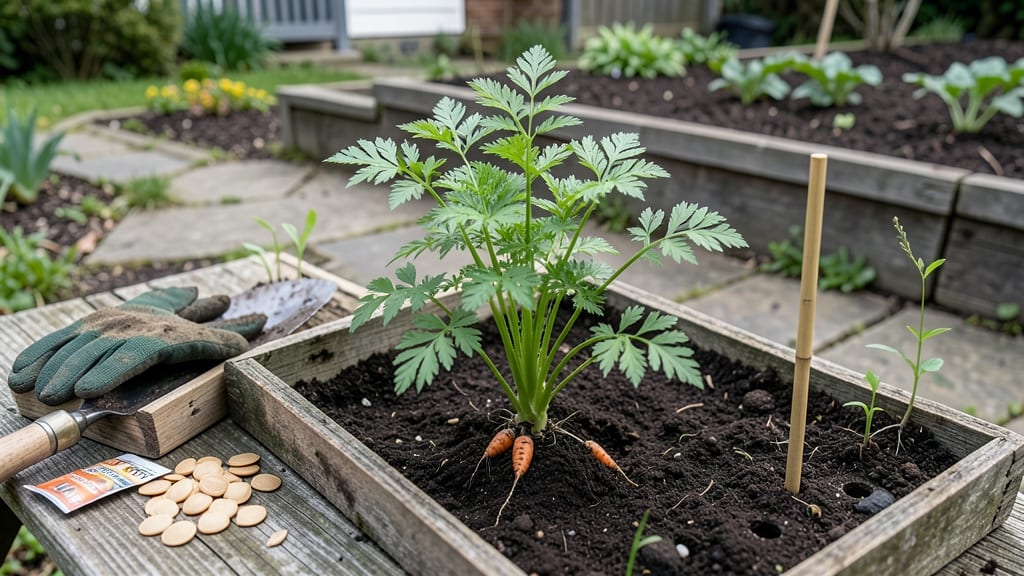
Timing your 🥕 carrot planting in Connecticut’s unpredictable climate can make or break your harvest—get it wrong, and you’ll end up with bolted greens or stunted roots instead of sweet, crisp roots.
The key lies in understanding your 6a zone and those sneaky frost dates that shift yearly, making early spring and late summer the only real windows for success.
Most gardeners in CT swear by planting 🥕 carrots between mid-March and early April for that first spring harvest, but here’s the catch: soil needs to stay above 50°F for seeds to germinate properly. Skip that check, and you’ll waste seeds waiting for warmer days.
The good news? With the right timing, you can squeeze in two full harvests—one in June and another in November—if you play it smart.
I’ve spent years testing what works in Connecticut’s short growing season, and the secret isn’t just about dates—it’s about soil prep and variety choices too. Short-day varieties like ‘Danvers’ thrive here, while longer-season types might struggle to mature before frost.
Let me walk you through the exact windows, soil tricks, and even how to stretch your season with simple row covers.
Ready to go from guesswork to guaranteed harvests? You’ll learn how to read your soil, pick the right carrots for CT’s climate, and even troubleshoot common mistakes that trip up beginners. Let’s get those seeds in the ground the right way—no more wasted effort!
Optimal planting windows for carrots in Connecticut’s climate zones
Connecticut’s diverse climate zones—from coastal areas to inland valleys—create three distinct planting windows for carrots. Whether you're in Zone 6a or a milder coastal region, understanding these windows ensures you avoid frost damage and maximize your harvest.
The key? Soil temperatures above 50°F and the 100-day rule for variety selection.
Spring planting is your best bet for sweet, crisp carrots. Start seeds indoors in late February or direct-sow outdoors as soon as the soil warms to 50-60°F, typically mid-March to early April in most of CT.
Coastal areas like New London can plant 1-2 weeks earlier, while northern regions like Litchfield Hills may wait until late April.
For a fall harvest, focus on late July to early August plantings. This gives carrots time to mature before first frost (usually mid-October). Use short-day varieties like ‘Paris Market’ or ‘Nantes’ for faster growth in CT’s shorter summer days.
Avoid planting after mid-August—carrots need at least 60 days to mature before frost.
Here’s the critical rule: Choose varieties with a maturity date that fits your planting window. For example, ‘Danvers’ (70 days) works for spring, while ‘Chantenay’ (60 days) suits fall. Always check seed packets—long-day varieties (like ‘Imperator’) struggle in CT’s shorter summer light.
🌱 Connecticut Carrot Planting Windows by Region
| Region | Spring Planting Window | Last Frost Date | Fall Planting Window | First Frost Date |
|---|---|---|---|---|
| Coastal (New Haven, Stamford) | Mid-March to early April | April 1-15 | Late July to early August | October 10-20 |
| Southern (Hartford, New Britain) | Late March to mid-April | April 10-20 | Early to mid-August | October 1-10 |
| Northern (Litchfield, Torrington) | Early to mid-April | April 15-30 | Mid-August | September 25-October 5 |
📅 Pro Tip: Use row covers to extend spring plantings by 2-3 weeks.
If you’re new to CT gardening, soil temperature is your best friend. Use a soil thermometer (or the finger test: push your finger into the soil—if it’s cool but not cold, it’s ready).
Cold soil (below 50°F) causes slow germination and forked roots. In Northern CT, wait until mid-April even if you’re eager—patience prevents failure.
Don’t overlook summer planting for baby carrots or storage varieties. Sow a small batch in June if you love baby carrots—they’ll mature in 40-50 days and can be harvested before fall frost. Just mark your calendar: stop sowing by July 15 to avoid immature crops when temperatures drop.
For winter storage, aim for a fall harvest in October. Varieties like ‘Danvers Half Long’ store well in cool, dark conditions (like a root cellar) for 3-4 months. Cure them in the soil for 24 hours after harvest to toughen the skin—this prevents rot during storage.
One common mistake is planting too early and having seeds rot in cold, wet soil. Another? Skipping succession plantings and ending up with a one-time harvest instead of fresh carrots all season. The solution? Stagger plantings every 2 weeks from spring to early summer for a continuous supply.
Soil temperature secrets: how to test and prepare for carrot success
Checking your soil temperature is the single most important step before planting 🥕 carrots in Connecticut. Seeds won’t germinate properly until the soil reaches 50-60°F, and planting too early wastes seeds and your time.
I’ve seen gardeners skip this step and end up with patchy, slow-growing carrots—or worse, no sprouts at all.
Use a soil thermometer (they’re cheap and worth it) to check temperatures in the morning when soil is coolest. For spring planting, aim for consistent 55°F+ readings at a depth of 1-2 inches.
If your soil is still chilly, wait—even if the air feels warm, the ground holds cold longer.
Here’s my pro tip: Plant test rows every 5-7 days in early spring. The first row that sprouts within 10-14 days is your go signal for the full planting. This method saves seeds and gives you confidence in timing.
🌱 Numbered Highlights: Common Mistakes to Avoid
- Planting too early: Seeds rot in cold soil (<50°F). Wait for consistent warmth.
- Compacted soil: Carrots need loose dirt to grow straight. Amend with compost before planting.
- Poor drainage: Waterlogged soil causes forking. Test drainage by digging a hole and filling it with water—it should drain in 1 hour.
- Skipping soil prep: Add sand or perlite to heavy clay soil to prevent misshapen roots.
- Overwatering: Keep soil moist but not soggy. Use a moisture meter if unsure.
To extend your growing season, use row covers or cold frames to warm soil earlier in spring or protect late fall plantings. These work wonders in Connecticut’s 6a zone, where frost can sneak in unexpectedly. I’ve added 2-3 weeks to both ends of my season this way!
If your soil is still too cold when you’re ready to plant, try black plastic mulch to absorb heat. Lay it down 1-2 weeks before planting to raise soil temperatures by 5-10°F. Just
Finally, test your soil’s pH—carrots prefer 6.0-7.0. Use a simple kit to check, and amend with lime (to raise pH) or sulfur (to lower it) if needed. Happy roots start with happy soil! 🌱