
Plants
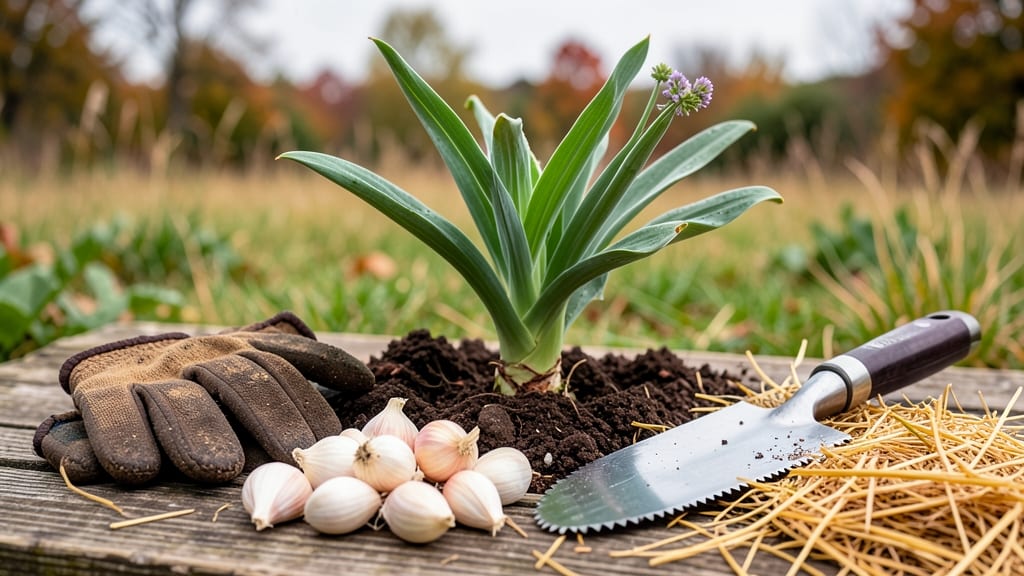
Planting garlic in Zone 9 at the wrong time can mean the difference between a bumper crop of bold, flavorful bulbs and a disappointing harvest.
Unlike colder climates, Zone 9’s mild winters (think Phoenix or Southern California deserts) demand precise timing to let your 🧄 establish roots before summer heat arrives.
Most gardeners assume garlic needs freezing temperatures to grow—but here’s the secret: in Zone 9, you’ve got just 4-6 weeks before winter rains begin to plant for optimal success.
Miss this window, and you risk weak growth or even total failure. Let’s break down exactly when to plant for those plump, healthy cloves you’ve been dreaming of.
Why does timing matter so much? Garlic needs cool but not freezing conditions to develop strong roots before summer’s heat kicks in. In Zone 9, that means planting between October and December, when soil temps hover around 40-60°F.
Too early, and your cloves might sprout too soon; too late, and they won’t have enough time to establish before the heat returns.
In this guide, I’ll walk you through the exact planting window, soil prep tricks, and common mistakes to avoid—so you can grow garlic that’s bigger, stronger, and ready to harvest next June or July. Let’s get started!
Optimal fall planting window for Zone 9 garlic
In Zone 9, garlic doesn’t need winter dormancy like northern climates—it thrives in mild temperatures. The key is planting when soil temps drop to 40-60°F (4-6 weeks before winter rains peak). This window ensures strong root growth before summer heat arrives.
For most of Zone 9 (including Phoenix, Los Angeles, and Miami), aim for mid-October to November. In coastal areas like San Diego, you can plant as late as early December, while inland deserts (like Tucson) may need to plant by late October.
Here’s why timing matters: Planting too early (like September) risks premature sprouting from summer heat, while planting too late (January) delays bulb development. Zone 9’s 300+ frost-free days mean garlic grows year-round—your goal is to sync planting with natural winter moisture.
Pro tip: Use a soil thermometer to confirm temps. If your soil stays above 60°F past November, wait 2-3 weeks before planting.
| Zone 9 Region | Ideal Planting Month | Soil Temp Target | Key Cue |
|---|---|---|---|
| Southern California (LA, San Diego) | Mid-October to November | 50-60°F | First winter rains |
| Arizona (Phoenix, Tucson) | Late October to early November | 45-55°F | Nighttime temps below 60°F |
| Florida (Miami, Orlando) | November to early December | 55-65°F | Hurricane season lull |
| All Regions (Backup) | January (last resort) | 60°F or lower | Smaller bulbs guaranteed |
For hardneck vs. softneck varieties, Zone 9 gardeners should stick with softneck types (like Artichoke or Silverskin)—they handle heat better. Hardnecks (like Rocky Mountain) may bolt in Zone 9’s summer.
After planting, mulch with 2-3 inches of straw to retain moisture and regulate soil temps. This is especially critical in desert climates where evaporation is high.
Remember: Garlic in Zone 9 grows year-round, but the 4-6 week window before winter rains is your sweet spot for maximum bulb size. Miss it, and you’ll sacrifice flavor and yield.
🌱
Optimal fall planting window for Zone 9 garlic
In Zone 9, garlic doesn’t need freezing temperatures to grow—just a cool winter break to establish roots before summer heat returns. The ideal planting window is October through December, when soil temperatures drop to 40-60°F.
This timing ensures your cloves have 4-6 weeks of cool weather to root deeply before summer arrives.
Unlike colder climates, Zone 9’s mild winters mean you can’t plant too early—your garlic might sprout and bolt before establishing strong roots. Too late, and it won’t have time to mature before the heat kicks in.
Think of it as a race against summer: plant too early, and your garlic will struggle; too late, and you’ll miss the window entirely.
Here’s the exact breakdown for your region:
- Southern California (e.g., Los Angeles, San Diego): Aim for mid-October to early November, when evening temps dip below 60°F.
- Arizona (e.g., Phoenix, Tucson): Plant in late October to December, leveraging cooler desert nights.
- Florida (e.g., Miami, Tampa): Focus on November to early December, avoiding the wetter winter months.
| Region | Best Planting Window | Soil Temp Goal | Key Clue |
|---|---|---|---|
| Southern California | Mid-October – Early November | 50–60°F | Evening temps below 60°F consistently |
| Arizona (Desert) | Late October – December | 40–55°F | Cooler desert nights (below 50°F) |
| Florida (Coastal) | November – Early December | 55–60°F | Avoid heavy rains (plant before wet season) |
Pro tip: Use a soil thermometer to confirm temps are in the 40-60°F range before planting. If your soil is still warm (above 65°F), wait a few weeks—your garlic will thank you with stronger roots and bigger bulbs.
Once planted, mulch heavily (2-3 inches of straw or wood chips) to insulate the soil and retain moisture during Zone 9’s dry winters. This mimics the cooler, moister conditions garlic craves without needing frost.
Timing isn’t just about the calendar—it’s about giving your garlic the perfect head start so it can thrive when summer heat returns. With this window locked in, you’re one step closer to harvesting plump, flavorful bulbs next June or July.