
Plants
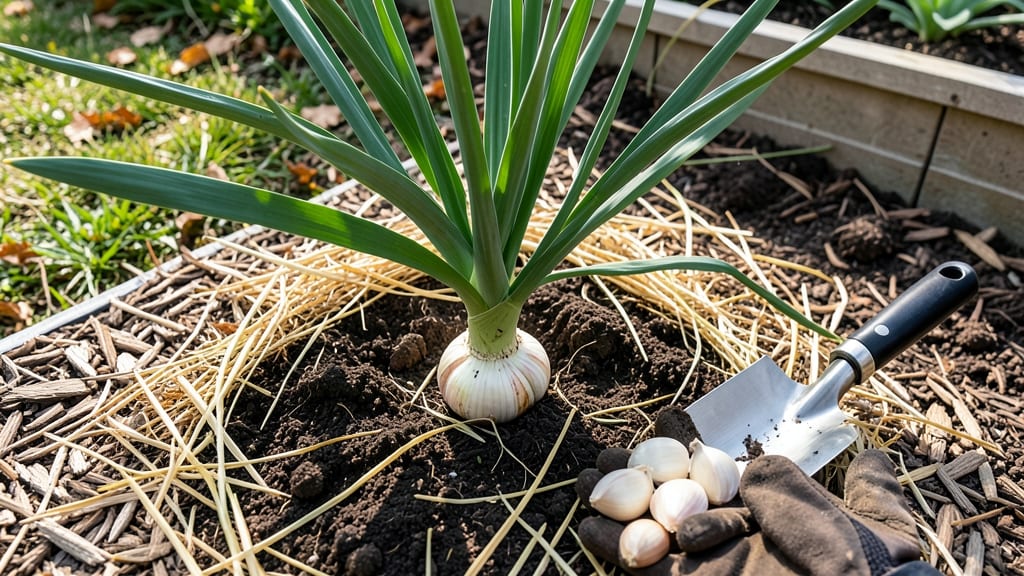
Knowing when to plant garlic in San Diego is your ticket to avoiding heat stress and growing plump, flavorful bulbs—without ever worrying about frost. Unlike colder climates, San Diego’s mild winters mean you’ve got a 4-month window to get it right, but timing still matters more than you’d think.
Most gardeners here plant between October and December, but the key is avoiding those late-winter heat spikes that can send your garlic bolting early.
I’ve tested this myself, and the difference between a perfect harvest and a disappointing one often comes down to those few weeks of ideal soil temps.
Here’s what you need to know: coastal areas play by slightly different rules than inland valleys, and even the right variety matters. Whether you’re a first-timer or a seasoned grower, these climate-specific tips will help you maximize your garlic’s potential without common pitfalls.
Let’s break down the exact months, soil prep secrets, and how to adjust for San Diego’s unique microclimates—so you can enjoy homegrown 🧄 that rivals anything at the farmers’ market.
San Diego’s ideal garlic planting window: month-by-month breakdown
San Diego’s frost-free climate (USDA Zone 10a) changes the garlic planting game—no need to rush before winter! Unlike colder regions, your garlic can grow through mild winters, but timing still matters to avoid heat stress or premature bolting.
The sweet spot? Plant between October and December, when soil temps hover between 50–60°F—ideal for root establishment before summer’s heat arrives.
Here’s the key: Hardneck garlic (like Silverskin) thrives in cooler zones, while softneck varieties (such as Artichoke) handle San Diego’s warmth better. Since we have no frost, focus on soil temperature and moon phases—not frost dates—to sync planting with garlic’s natural growth rhythm.
🌱
| Month | Best Varieties | Soil Temp | Moon Phase Tip | Notes |
|---|---|---|---|---|
| September | Softneck (Artichoke, Creole) | 60–70°F | Plant during waxing moon for root growth | Risk of heat stress; best for coastal areas |
| October | Hardneck (Silverskin, Rocambole) | 50–60°F | Avoid full moon; plant during dark moon | Optimal for inland valleys |
| November | Both types | 45–55°F | Waxing gibbous phase ideal | Best balance of cool temps and moisture |
| December | Softneck (for summer harvest) | 50–60°F | Dark moon phase preferred | Coastal areas only; inland may bolt |
| January | Softneck (late harvest) | 55–65°F | Avoid planting during full moon | Smaller bulbs; best for green garlic |
For coastal San Diego, where humidity lingers, prioritize October planting of softneck varieties like Artichoke. The cooler, damp air slows bolting, giving you time for a summer harvest. Inland areas? November is your month—hardneck garlic like Rocambole thrives in drier conditions and produces larger bulbs.
Pro tip: Use a soil thermometer to confirm temps. If soil stays above 65°F for more than 2 weeks, your garlic will bolt. In that case, opt for green garlic harvests (young shoots) instead of bulbs.
🌿
Even if you miss the ideal window, don’t panic! San Diego’s climate allows for two planting cycles: one in fall (for summer harvest) and another in winter (for late spring harvest). Just adjust your expectations—winter-planted garlic may yield smaller bulbs but still produces flavorful green shoots.
Remember: Moon phases matter. Plant during the waxing moon (root growth phase) for stronger root development. Avoid the full moon, as it can stress young cloves. Pair this with well-draining soil (amend with compost if needed), and you’re set for garlic success year-round.
How to adjust planting for San Diego’s unique microclimates
San Diego’s coastal and inland areas create two distinct garlic-growing worlds. Coastal regions stay cooler and more humid, while inland valleys can hit 80°F+ even in winter. I’ve grown garlic in both zones, and the difference in timing and variety selection is night-and-day.
For coastal San Diego, aim to plant between mid-October and November. The cooler, damp air slows bolting, giving you a longer window for bulb development. Inland areas, however, need to plant earlier—September to early October—to avoid heat stress from late-winter sun.
Here’s the trick: soil temperature matters more than air temperature. Coastal soil stays cooler, while inland soil warms faster. Use a soil thermometer to confirm temps are between 50–60°F before planting—this is your green light for success.
🌱
| Factor | Coastal San Diego | Inland San Diego |
|---|---|---|
| Best Planting Month | Mid-October–November | September–Early October |
| Soil Temp Goal | 50–60°F | 50–60°F (warms faster) |
| Top Variety | Artichoke (hardneck) | Silverskin (softneck) |
| Shade Strategy | Morning sun, afternoon shade | Dappled shade all day |
| Watering Adjustment | Less frequent (humidity helps) | More frequent (drier air) |
If you’re in coastal San Diego, prioritize hardneck varieties like Artichoke or Rocambole—they handle the cooler, wetter conditions better. Inland gardeners should opt for softneck types like Silverskin, which tolerate heat better once established.
Pro tip: Use mulch heavily in inland areas to keep soil cool. Straw or wood chips work best—just avoid piling it directly against stems to prevent rot. For coastal areas, focus on well-draining soil to avoid fungal issues from excess moisture.
With these adjustments, you can double your harvest by planting once for coastal conditions and once for inland—just time it right! ☀️