
Plants
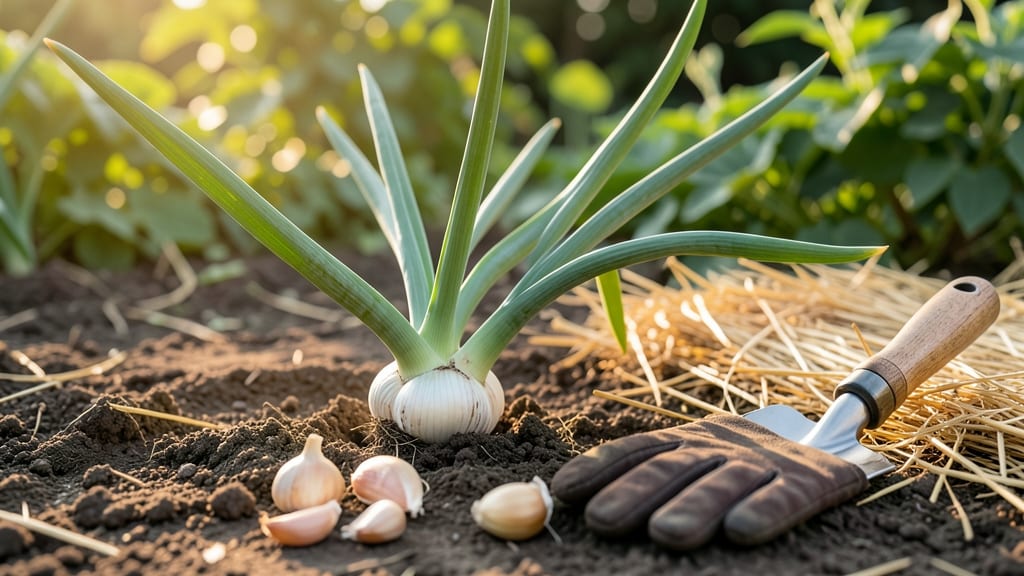
Planting garlic in Missouri isn’t just about timing—it’s about outsmarting the climate to avoid bolting and grow bulbs packed with flavor. The perfect window for fall planting is October to November, when soil temps drop but frost hasn’t set in yet, giving your 🧄 the head start it needs.
Missouri’s 5b-6b zones mean you’ve got a short frost-free season to work with, so getting garlic in the ground 4-6 weeks before freeze is critical. Plant too early, and you risk soft necks; too late, and your harvest shrinks.
The key? Balance soil prep, mulching, and variety selection to lock in success.
I’ll walk you through the exact steps to time your planting—from checking soil temps to adjusting for early frosts—so you can skip the guesswork and enjoy plump, flavorful bulbs by July or August. Let’s make this your best garlic season yet.
Whether you’re a first-timer or a seasoned gardener, these insights will help you harvest like a pro. Ready to dig in?
Missouri garlic planting dates by hardiness Zone: avoid bolting and maximize yield
Missouri’s USDA zones 5b-6b create a tight window for planting garlic, but nailing the timing can transform your harvest. The ideal planting window is October through mid-November, when soil temperatures drop below 70°F but before the ground freezes. This balance prevents premature bolting while allowing roots to establish before winter.
For Zone 5b (northern Missouri), aim for October 1-15—soil temps should be 40-60°F at planting depth. In Zone 6a (central/southern Missouri), you’ve got until November 1-15, but don’t push past the first frost date (typically November 1 in most regions).
Pro tip: Use a soil thermometer to confirm temps—garlic roots need 40-60°F to grow without bolting. If temps drop below 32°F, mulch heavily (4-6 inches) with straw to insulate bulbs.
| Zone | Best Planting Window | Soil Temp at Planting | Key Adjustments |
|---|---|---|---|
| 5b (North) | October 1-15 | 40-60°F | Mulch by Nov 1; avoid late plantings |
| 6a (Central) | October 15-Nov 15 | 45-65°F | Use hardneck varieties; mulch early |
| 6b (South) | November 1-15 | 50-65°F | Plant softnecks for milder winters |
📅 Note: Adjust 1-2 weeks earlier if your area has early frosts.
Hardneck varieties (like Music or German White) thrive in Missouri’s climate, while softnecks (Silverskin) work better in Zone 6b. For late plantings (after November 15), opt for spring-planted garlic—though yields will be smaller.
Test soil pH (aim for 6.0-7.0) and amend with compost to boost bulb size.
Missouri’s frost-free window is just 165 days, so garlic needs to be in the ground by mid-November to mature by harvest (July-August). If you miss the fall window, don’t despair—spring planting (February-March) is a backup, but bulbs will be smaller.
For urban gardeners, container planting works if pots are 12+ inches deep and drained well. Place containers in full sun (6+ hours) and use lightweight potting mix to prevent waterlogging. Mulch containers with straw or leaves to regulate temps.
Remember: Bolting (premature flowering) is your enemy in Missouri’s heat. To prevent it, plant 4-6 weeks before freeze, avoid nitrogen-heavy fertilizers, and choose hardneck varieties bred for short seasons. With these dates locked in, you’re set for a bold, flavorful harvest! 🧄
How to time your garlic planting for zero-bolt success in Missouri’s climate
Missouri’s short growing season demands precision when planting garlic—especially to avoid bolting. The secret lies in soil prep and variety selection.
Hardneck varieties like Chesnok Red or German White are your best bet for Missouri’s climate, as they thrive in cold winters and produce bold-flavored bulbs despite our brief frost-free window.
Start by testing soil pH (aim for 6.0-7.0) and amending with compost or aged manure. Garlic hates soggy soil, so ensure your bed has well-draining soil.
If your garden is heavy clay, mix in sand or perlite to improve aeration. This step alone can double your bulb size!
Once soil temps drop below 70°F (usually by mid-October), it’s time to plant. Break apart garlic braids into individual cloves, ensuring each has a small root attached.
Plant them 2 inches deep, 4-6 inches apart, with 6 inches between rows. This spacing prevents crowding and reduces disease risk.
- 🌱 1. Soil Prep: Loosen soil to 12 inches deep and mix in 2-3 inches of compost.
- 📅 2. Planting Window: Aim for October 15-November 15 (adjust for your zone).
- 💧 3. Watering: Keep soil moist but not soggy—water deeply once a week in fall.
- 🌡️ 4. Mulching: Apply 4-6 inches of straw after planting to insulate bulbs.
- ✂️ 5. Spring Care: Remove mulch in March and fertilize lightly with 10-10-10.
After planting, mulch heavily with straw or leaves (4-6 inches) to protect bulbs from freeze-thaw cycles. This insulation keeps soil temps stable, preventing premature bolting. In Zone 5b, mulch by November 1; in Zone 6b, wait until December 1 to avoid trapping moisture.
Spring brings new challenges—bolting often strikes as temps rise. To combat this, avoid nitrogen-rich fertilizers and focus on consistent watering (1 inch per week). If you notice scape growth (flower stalks), snip them off at the base to redirect energy to bulb development.
This trick can add 2-3 weeks to your harvest window!
Harvest time arrives when lower leaves turn brown but upper leaves stay green (usually July-August). Cure bulbs in a dry, shady spot for 2-3 weeks to extend storage life. With these steps, you’ll outsmart Missouri’s climate and grow garlic that rivals store-bought—tenfold in flavor! 🧄