
How To
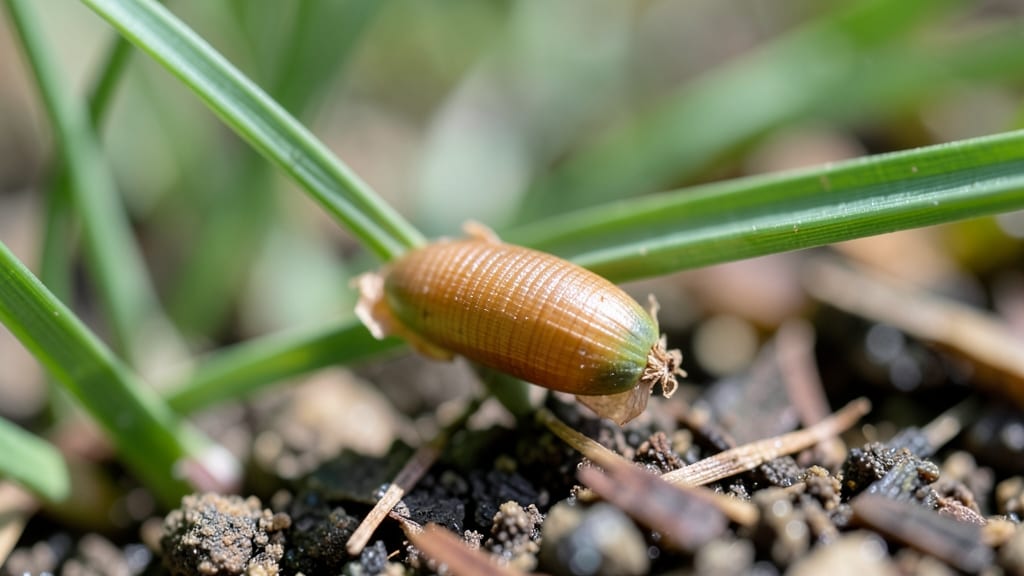
Timing your Centipede Grass seed planting in North Carolina could make or break your lawn’s success—especially with the state’s varying climate zones. Plant too early, and frost might strike; too late, and summer heat can stress young seedlings.
The late spring to early summer window is your sweet spot, but regional differences mean you’ll need to adjust based on whether you’re in the Coastal Plain, Piedmont, or Mountains.
Most gardeners in USDA zones 7a-8b wait until after the last frost (typically mid-April) and soil temperatures hit 75°F+—but don’t rush. Centipede Grass thrives when conditions are just right, and planting too soon can lead to slow germination or even failure.
I’ll break down the exact frost-free timelines and soil prep tricks to ensure your 🌱 Centipede Grass takes root strong and stays drought-resistant through North Carolina’s summers.
If you miss the ideal window, don’t panic—alternatives like sod or pre-germinated seed can still work. But getting the timing right means fewer headaches and a lawn that stays green even when others are struggling.
Let’s dive into the best strategies for your specific region, so you can enjoy a lush, low-maintenance yard without the guesswork.
You’ll learn how to read your local climate cues, from tracking soil temps to adjusting for early freezes or unexpected heatwaves. With these insights, you’ll be ready to plant with confidence—no more waiting until it’s too late or starting too soon.
Let’s get your Centipede Grass off to the best possible start!
North Carolina’s ideal centipede grass planting timeline by region
Timing is everything when planting centipede grass seed in North Carolina, where USDA zones 7b-8a create distinct microclimates. The optimal window spans from late spring to early summer, but your exact region dictates the best dates.
Coastal areas like Wilmington can plant earlier, while the Mountains near Asheville may need to wait until June.
For all NC regions, the key is waiting until soil temperatures reach 75°F+ and the last frost has passed. This typically aligns with mid-April to early June, but local weather patterns can shift these dates by weeks. Always check your local frost-free date for precision.
Centipede grass thrives in NC’s hot summers, but planting too early risks frost damage to tender seedlings. Conversely, planting too late may stunt growth before winter dormancy. Let’s break down the ideal planting windows by region to maximize your lawn’s potential.
North Carolina Planting Timeline by Region
| Region | USDA Zone | Frost-Free Window | Ideal Planting Months | Soil Temp Threshold |
|---|---|---|---|---|
| Coastal Plain (Wilmington, Fayetteville) | 8a | Late March - Early April | April - May | 75°F+ |
| Piedmont (Raleigh, Charlotte) | 7b-8a | Mid-April | May - Early June | 75°F+ |
| Mountains (Asheville, Boone) | 7a | Early May | June - Early July | 75°F+ |
If you’re in the Coastal Plain, aim for April to May planting when soil temperatures consistently stay above 75°F. This region benefits from earlier warmth, allowing seedlings to establish before summer heat peaks. Use a soil thermometer to confirm readiness—don’t guess!
For Piedmont gardeners, May to early June is your sweet spot. This timing avoids late spring frosts while giving seedlings enough time to root before summer’s intense heat. If you plant in June, prioritize shade cloth for the first 2-3 weeks to protect tender sprouts.
The Mountains’ cooler climate demands patience—wait until June or early July to plant. Soil in these areas warms slowly, and early planting risks frost damage. Test soil moisture too; mountainous regions often dry out faster in summer, so plan for deep, infrequent watering.
Missed the ideal window? Don’t panic. August planting is still viable in most NC regions, though germination rates may drop by 15-20%. For late plantings, use pre-germinated seed or sod instead. These alternatives establish faster and tolerate cooler fall soils better than fresh seed.
Pro tip: Track your local microclimate by checking nearby weather stations or gardening forums. For example, Raleigh’s urban heat island effect can make soil 5-10°F warmer than surrounding rural areas, potentially shifting your planting window by a week.
Remember, centipede grass is slow to establish—count on 4-6 weeks for visible sprouts and 3-4 months for full coverage. Planting at the right time ensures your lawn has enough growing season to reach its 1.5-2 foot mature height before winter dormancy.
How to prepare soil and seed for centipede grass success in NC
Centipede Grass thrives when planted in well-prepared soil with the right pH balance and moisture levels. Before sowing your 🌱 seeds, test your soil’s pH—it should fall between 5.0 and 5.5 for optimal growth.
If your soil is too alkaline, amend it with sulfur or peat moss to lower the pH gradually over a few weeks.
Start by removing any existing weeds or debris from your lawn area. Use a garden rake to loosen the top 2-3 inches of soil, ensuring it’s free of clumps.
Centipede Grass prefers sandy loam or loamy soil, so if your soil is heavy clay, mix in compost or sand to improve drainage and aeration.
Why It Matters: Deep planting smothers seeds, while cold soil slows growth. Use a soil thermometer to check temps before planting.
Once your soil is ready, spread your centipede grass seed evenly across the prepared area. Aim for a rate of 8-10 pounds per 1,000 square feet—this ensures good coverage without overcrowding.
Lightly rake the seeds into the soil to secure them, then cover with a thin layer of straw mulch to retain moisture and protect against erosion.
Watering is critical in the first 2-3 weeks after planting. Keep the soil consistently moist but never soggy. Use a gentle sprinkler or hose to apply water in the early morning to reduce evaporation. Avoid overhead watering, which can wash seeds away or promote fungal growth.
After germination (typically 10-21 days), gradually reduce watering frequency but increase depth. Centipede Grass is drought-tolerant once established, but young seedlings need steady moisture to develop strong roots.
Once the grass reaches 3-4 inches tall, you can begin mowing—set your lawnmower to 2-3 inches to encourage deep root growth.
For best results, avoid heavy foot traffic on new seedlings and refrain from fertilizing until the grass is fully established (6-8 weeks). Use a low-nitrogen fertilizer like 10-0-10 to support slow, steady growth without burning young plants.