
Plants
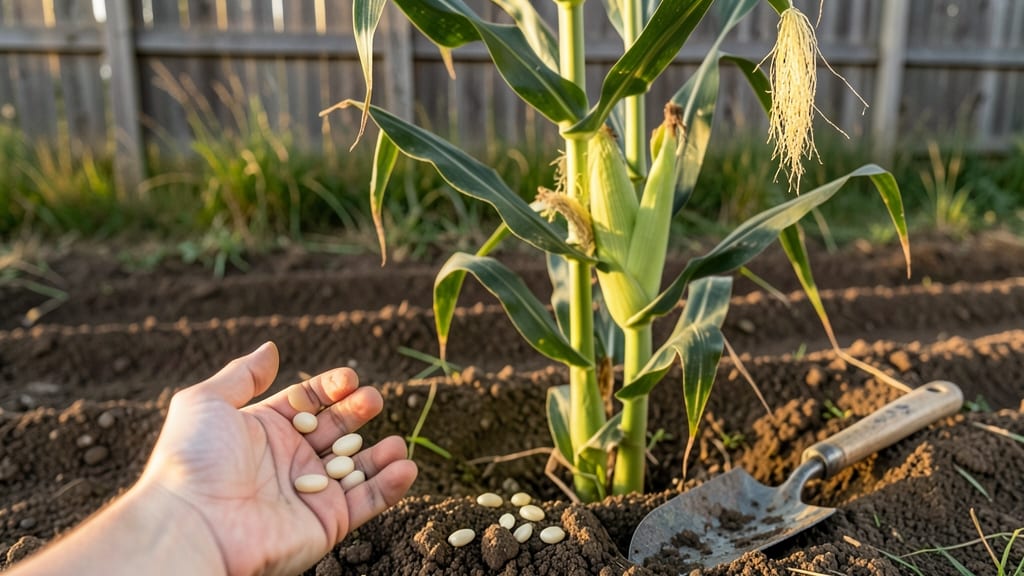
Planting corn in Florida at the right time can mean the difference between a bountiful harvest of sweet, juicy 🌽 and struggling plants that never reach their full potential.
Unlike cooler climates, Florida’s warm weather means you’ve got two prime windows—spring and fall—but timing is everything to avoid heat stress or pests.
Most gardeners in Florida’s USDA Zones 8a-11 know that early March to mid-April is the sweet spot for spring planting, when soil temperatures hit that perfect 60°F threshold. But did you know fall planting (September-October) can also yield great results?
The key is avoiding those rare late-summer heatwaves that can scorch young plants before they even get started.
Whether you’re growing sweet corn for dinner or field corn for livestock, the right timing ensures your plants mature before Florida’s humidity and pests take over.
I’ll break down the exact months, soil prep tips, and post-planting care to help you grow corn that’s healthier, faster, and more productive—no guesswork involved.
Ready to turn your garden into a cornfield? Let’s dive into the best planting schedule for your Florida zone and the simple steps to keep your corn thriving from seed to harvest.
Best corn planting times in Florida: month-by-month breakdown
Corn thrives in Florida’s long growing season, but timing is critical to avoid heat stress or pest outbreaks. The ideal planting window runs from early March to mid-April for spring harvests, with a secondary window in late summer (September-October) for fall crops.
Unlike northern states, Florida rarely faces frost, but soil temperature (not air temperature) dictates readiness.
For peak yields, aim to plant when soil reaches 60°F (15°C)—typically by mid-March in most regions. In North Florida (Zone 8a), cooler soils may delay planting until late March, while South Florida (Zones 10-11) can start as early as February for early varieties.
Always test soil with a thermometer to confirm readiness.
Missed the spring window? Don’t worry—fall planting (late August to October) works well, especially for heat-tolerant varieties. Just be mindful of hurricane season (June-November) and adjust timelines to harvest before storms roll in.
🌽 Florida Corn Planting Timeline
| Season | Planting Window | Soil Temp Requirement | Harvest Window |
|---|---|---|---|
| Spring | Early March–Mid-April | 60°F+ (15°C+) | June–August |
| Fall | Late August–October | 60°F+ (15°C+) | December–February |
| Late Summer (Risky) | July (if cool spell) | 60°F+ (15°C+) | September–October |
💡 Pro Tip: Use black plastic mulch to warm soil faster in cooler months.
North Florida (Zones 8a-8b) faces slightly cooler soils, so push planting to late March to avoid slow germination. In contrast, Central and South Florida (Zones 9-11) can plant as early as February for early-maturing varieties like ‘Silver Queen’ or ‘Peaches and Cream’. Always check USDA Plant Hardiness Zone maps for your exact location.
Heat tolerance varies by variety—sweet corn struggles above 95°F (35°C), while field corn handles Florida’s summer heat better. If planting in June-July, opt for fast-maturing varieties (60-70 days) to harvest before earworm infestations peak. Shade cloth (30-50%) can help extend the season in extreme heat.
Avoid planting in August unless you’re using drought-resistant varieties—Florida’s summer heat and humidity create ideal conditions for fungal diseases like corn smut or leaf blight. Instead, focus on fall planting (September-October) for a second harvest before winter sets in.
Microclimates matter: Coastal areas (e.g., Miami, Tampa) stay warmer longer, while inland regions (e.g., Orlando, Gainesville) may experience cooler nights. Adjust planting dates by 1-2 weeks based on your local last frost date (even if rare) and humidity levels. Use a soil thermometer for accuracy—50°F (10°C) soil can delay germination by weeks.
Staggered planting is key to continuous harvests. Plant successive rows every 2 weeks from March to May for a June-August harvest, or repeat in September-October for a December-February crop. This strategy also reduces pest pressure by breaking up monoculture blocks.
Post-planting care starts immediately: water deeply (1-2 inches per week) and mulch heavily to retain moisture. In Florida’s sandy soils, corn roots run deep—drip irrigation is ideal to avoid surface evaporation. Monitor for armyworms and corn earworms, which thrive in humid conditions.
🌱 Whether you’re a beginner gardener or a seasoned farmer, mastering Florida’s corn planting windows ensures sweet, pest-free ears all year. Start with small test plots to refine your timing before scaling up—patience and preparation pay off in harvests.
Best corn planting times in Florida: month-by-month breakdown
Florida’s two prime corn planting windows—spring and fall—offer gardeners flexibility, but the exact timing depends on your USDA Zone (8a-11) and microclimate. In most of Florida, where frost is rare, the ideal soil temperature for planting is 60°F or warmer, which typically arrives in early March.
However, northern Florida (Zone 8a) may need to wait until mid-March to avoid late frosts.
For spring planting, aim for early March to mid-April to ensure your corn matures before Florida’s summer heatwaves (90°F+ temperatures) stress young plants. Fall planting is less common but works well in September to early October, allowing ears to develop before winter’s mild chill sets in.
Avoid planting in late summer (August), as the heat can stunt growth and attract pests.
| Season | Planting Window | Soil Temp Requirement | Harvest Window | Key Consideration |
|---|---|---|---|---|
| Spring | Early March – Mid-April | 60°F+ | June – August | Avoid summer heat stress; use shade cloth if needed. |
| Fall | September – Early October | 60°F+ | December – February | Escape summer pests; shorter daylight may slow growth. |
| Avoid | Late June – August | N/A | N/A | Extreme heat stunts growth; higher pest risk. |
In North Florida (Zone 8a), where light frosts can occur, delay planting until mid-April to avoid damage. Central and South Florida (Zones 9-11) can plant as early as late February in sheltered microclimates, but most gardeners wait until March for consistency.
Always check your local agricultural extension service for updates on frost risk, as even Florida isn’t immune to unusual cold snaps.
If you’re growing sweet corn, prioritize early spring or fall planting to align with market demand and avoid overripe ears during peak summer heat. Field corn and heirloom varieties have slightly more flexibility but still benefit from cooler planting windows.
For all types, staggered plantings every 2 weeks ensures a continuous harvest and reduces pest pressure.
Once you’ve nailed the planting window, focus on soil prep: Corn thrives in well-draining, slightly acidic soil (pH 6.0-6.8). Work in compost or aged manure 2-3 weeks before planting to boost fertility.
In Florida’s humid climate, mulching with straw helps retain moisture and suppress weeds, while also preventing soil-borne diseases from splashing onto leaves.
Timing your corn planting isn’t just about the calendar—it’s about reading your local microclimate. Observe your garden’s sun exposure, wind patterns, and neighboring vegetation to fine-tune your schedule. With the right window, your corn will grow taller, sweeter, and more resilient to Florida’s challenges. 🌽