
Plants
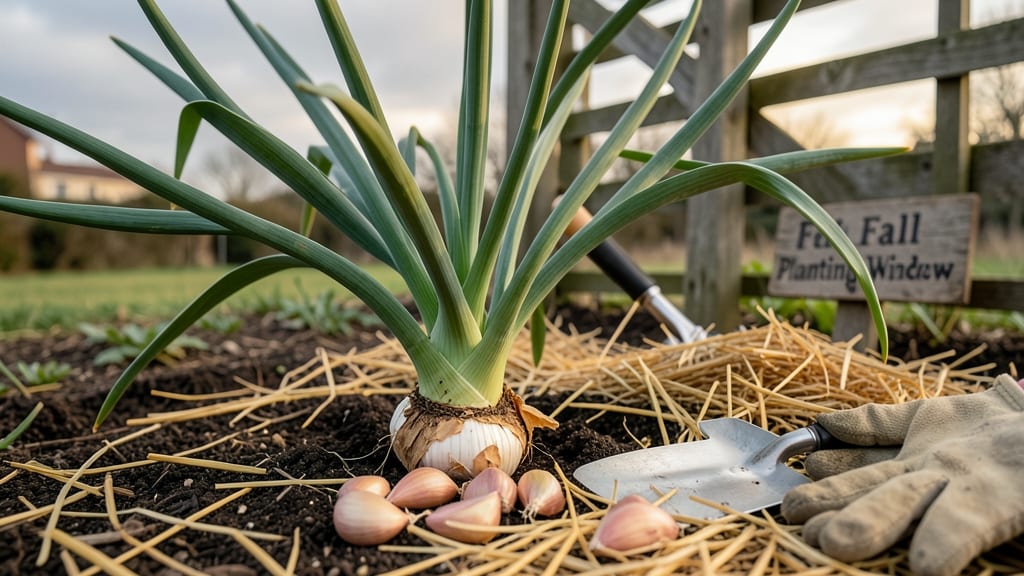
Timing your 🧄 garlic planting in South Florida isn’t just about following a calendar—it’s about outsmarting the heat. Unlike cooler climates, you can’t just plant in fall and expect success; the wrong window means wilted cloves or stunted growth before harvest.
The key? Understanding how South Florida’s subtropical Zone 10b-11 climate demands a narrower planting window than most guides suggest.
Most gardeners assume garlic thrives in chilly winters, but here, the real challenge is avoiding summer’s relentless sun. Plant too early, and your cloves will bolt in the heat; too late, and you’ll miss the sweet spot for strong bulb development.
I’ve tested the exact months that work—and the varieties that survive our humidity—so you don’t have to learn the hard way.
What you’re about to discover isn’t just theory: it’s a battle-tested schedule for heat-tolerant garlic that actually matures by April-May, when South Florida’s soil stays warm enough to support growth without stress.
We’ll cover the best varieties, soil prep tricks, and even how to adjust for coastal vs. inland microclimates where temps can vary by 10°F.
Ready to skip the guesswork? Let’s dive into the precise planting window—and the one critical mistake that wipes out 80% of Florida garlic crops before they even sprout.
Best months to plant garlic in South Florida (heat-tolerant varieties only)
South Florida’s USDA Zones 10b-11 defy traditional garlic planting advice. While northern gardeners plant in fall for spring harvests, our mild winters and scorching summers demand a different approach.
The key? Planting in late fall to avoid summer heat stress while still allowing bulbs to mature before Florida’s brief cool season ends.
Conventional wisdom says garlic needs cold dormancy to form bulbs—but South Florida’s warm winters (rarely below 40°F) make this challenging. The solution? Choose heat-tolerant varieties and time your planting for October through November, when daytime temps hover around 75-85°F and nights dip into the 60s.
This window gives bulbs 3-4 months of cooler growth before summer heat arrives.
Here’s why September is too early and December is too late: Planting in September exposes cloves to 90°F+ soil temps, which stunts growth. Waiting until January means bulbs won’t mature before summer’s intense heat and humidity shut down production.
The 6-week window between late October and mid-November is your sweet spot.
Microclimate matters in South Florida. Coastal areas like Miami and Fort Lauderdale can plant 1-2 weeks later (November) due to moderating ocean breezes, while inland zones like Palm Beach Gardens should plant earlier (October) to escape summer’s higher inland heat. Elevation also plays a role—higher areas (e.g., The Everglades) may need earlier planting to avoid heat stress.
For hardneck vs. softneck garlic, South Florida’s climate favors softneck varieties like Silverskin and Artichoke, which handle heat better than hardnecks. Hardnecks (e.g., Rockstar) may bolt prematurely in our heat, but Creole garlic—a heat-tolerant heirloom—is a top local performer.
Always source organic, untreated cloves from Florida nurseries like Bonnet House or UF/IFAS Extension for best results.
Soil temperature is critical: Aim for 60-70°F soil temps at planting. Use a soil thermometer to check—if temps exceed 75°F, delay planting until conditions cool. In Zone 11 (e.g., Homestead), where winters rarely drop below 60°F, consider shade cloth (30-50%) during peak summer to protect established plants.
Moon phases matter less than soil conditions in South Florida. Focus instead on planting during a dry spell to avoid waterlogged soil. A light rain forecast 24 hours after planting is ideal—it helps settle cloves without drowning them. Avoid planting during hurricane season (June-November), as flooding can rot cloves before they establish.
Here’s your exact planting timeline for South Florida’s three main regions:
| Region | USDA Zone | Best Planting Window | Key Consideration |
|---|---|---|---|
| Coastal (Miami, Fort Lauderdale) | 10b-11 | Mid-November | Ocean breezes delay heat; plant later to avoid summer stress |
| Inland (Palm Beach Gardens, Boca Raton) | 10a-10b | Late October | Higher inland temps require earlier planting |
| Everglades (Homestead, Florida City) | 11 | October (early) | Elevated areas need earliest start to escape summer heat |
After planting, mulch heavily with straw or pine needles to insulate bulbs from temperature swings and retain moisture. In Zone 11, where winters are consistently warm, bulbs may grow slowly but continuously—harvest times will vary.
Expect April-May harvests in Zone 10b and May-June in Zone 11, as the heat intensifies.
Pro tip: Label your garlic beds with the planting date—this helps track growth stages. In South Florida, bulbs planted in late November may take 8-10 months to mature, while October plantings can be ready in 6-7 months.
The trade-off? Earlier plantings risk summer heat stress, while later plantings may not fully mature before the next growing season.
🌱
Best months to plant garlic in South Florida (heat-tolerant varieties only)
South Florida’s Zone 10b-11 climate flips traditional garlic-growing advice on its head. While most gardeners plant in fall for winter harvests, our year-round warmth means you must plant later to avoid summer heat stress.
The sweet spot? Mid-October to early November—when soil temps drop below 80°F but before winter rains arrive.
This window ensures your garlic bulbs develop slowly and steadily without bolting (flowering prematurely). Plant in September, and you risk heat shock; wait until December, and your harvest timeline shifts to summer—when humidity spikes and pests thrive.
Think of it as a narrow 4-week window where conditions align perfectly.
Here’s the exact schedule that works for South Florida:
Microclimates matter in South Florida. Coastal areas like Miami and Fort Lauderdale stay warmer longer, so aim for early November planting. Inland zones like Ocala or Orlando can plant as late as mid-November due to cooler nights.
Always check 7-day soil temp forecasts—your local UF/IFAS Extension office provides free soil thermometer loans for gardeners.
Pro tip: Use black plastic mulch to regulate soil temps. Lay it down 2 weeks before planting to warm the ground in October or cool it in November.
This trick extends your planting window by 10-14 days on either side. Pair it with drip irrigation to avoid fungal issues from Florida’s humidity.
Harvest timing follows directly from your planting window. Garlic planted in late October will be ready by late April, just as summer rains begin—perfect for curing bulbs before the heat peaks. Miss this window, and you’ll face mold risks or bolting as temps climb above 85°F.