
Plants
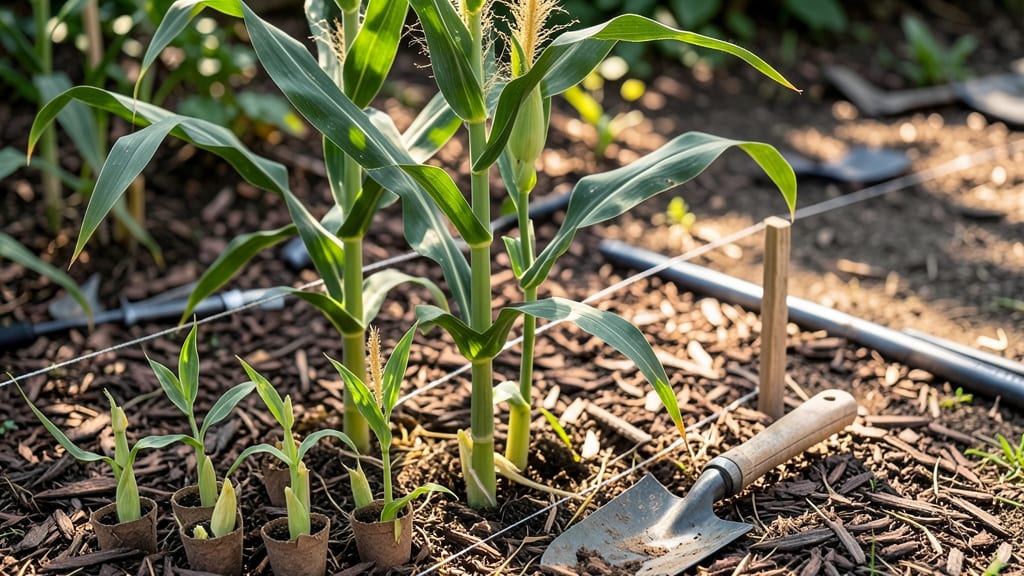
Timing your 🌽 corn planting in California isn’t one-size-fits-all—get it wrong, and you might end up with stunted plants or no harvest at all. With zones ranging from foggy coastal areas to scorching deserts, knowing the perfect window is the key to success.
Whether you're in Zone 10 (like San Francisco) or Zone 9 (like Sacramento), the right moment depends on soil temperature, frost risk, and even microclimates within your backyard. I’ll break down exactly when to plant—plus pro tips to beat California’s unpredictable weather and maximize your yield.
From coastal fog delays to desert heat waves, each region demands a different approach. You’ll discover how to time your planting for ideal growing conditions, whether you’re direct-sowing seeds or starting indoors. Let’s dig into the perfect schedule for your microclimate.
Ready to grow healthy, productive corn? The secret starts with knowing when—and where—to plant. I’ll show you how to avoid common mistakes and set yourself up for a harvest that’ll make your neighbors jealous.
California corn planting dates by USDA hardiness zones (with frost risk charts)
California’s diverse microclimates make planting corn tricky—what works in frost-free San Diego fails in cooler Sacramento. The key is timing: corn needs 60°F+ soil and 90+ frost-free days to mature. Here’s your zone-by-zone guide to avoid late frosts or scorched seedlings.
Most California gardeners focus on USDA Zones 8-10, but even within these zones, elevation and coastal effects shift planting windows.
For example, Zone 10 coastal areas (like San Francisco) can plant as early as February, while Zone 9 inland valleys (like Fresno) wait until late March to avoid frost.
🌱 Pro Tip: Use a soil thermometer—corn won’t sprout until soil hits 60°F. Coastal fog delays warming, while deserts heat up faster. Adjust your calendar accordingly.
🌽 California Corn Planting & Frost Risk by Zone
| Zone | Planting Window | Last Frost Date | Frost Risk | Harvest Window |
|---|---|---|---|---|
| Zone 10 (Coastal: SF, LA) | Feb 15 – Apr 15 | None (year-round) | Low (fog protection) | Jun 1 – Sep 15 |
| Zone 9 (Inland: Sacramento, Central Valley) | Mar 1 – May 1 | Dec 15 – Jan 15 | Moderate (late frosts) | Jul 1 – Oct 15 |
| Zone 10b (Desert: Palm Springs, Coachella) | Feb 1 – Mar 15 | None | None (heat stress risk) | May 1 – Aug 15 |
💡 Note: Desert zones risk heat stress if planted after April 15. Coastal zones may need shade cloth in summer to prevent bolting.
In Zone 10 coastal areas, like the San Francisco Bay Area, you can plant sweet corn varieties like ‘Golden Bantam’ as early as mid-February.
However, foggy mornings can delay germination, so use black plastic mulch to warm the soil faster. Aim for a 90-day variety to finish before summer heat arrives.
For Zone 9 inland valleys (e.g., Sacramento, Fresno), wait until after the last frost (typically March 15–April 1) and choose 100–110 day varieties like ‘Silver Queen’ or ‘Peaches and Cream’. These areas face late spring frosts, so have row covers ready for seedling protection.
Desert Zone 10b (e.g., Palm Springs, Coachella Valley) has no frost risk, but intense summer heat limits planting to February–March. Opt for heat-tolerant varieties like ‘Early Sunglow’ (75 days) and use drip irrigation to prevent bolting. Plant in partial shade during peak afternoon heat if possible.
🌡️ Heat Warning: Temperatures above 90°F can cause corn to bolt (flower prematurely). In desert zones, succession plant every 2 weeks from February to March for staggered harvests.
To maximize your harvest, calculate your first frost date (if applicable) and count backward 90–120 days to determine planting time. For example, if your first frost is November 15, plant by August 15 for a 90-day variety.
Use local agricultural extension resources (like UC Master Gardeners) for precise frost data.
Finally, soil prep is critical. Corn thrives in well-drained, fertile soil with a pH of 6.0–7.0. Work in compost or aged manure 2–3 weeks before planting to ensure nutrients are available when seedlings emerge. In sandy desert soils, add organic matter to retain moisture.
Microclimate adjustments: how coastal vs. desert zones change planting timing
California’s microclimates create wildly different conditions for growing 🌽 corn. In the coastal fog belt (like San Francisco), cool temperatures and moisture mean you can plant earlier—sometimes as early as February—while desert areas like Palm Springs demand immediate planting in February to escape summer heat.
Even within the same city, your backyard’s exposure can shift planting by weeks.
The key difference? Soil temperature and frost risk. Coastal areas rarely face frost, so focus on soil warmth (aim for 60°F+), while inland zones must wait until after the last frost (typically mid-January for Zone 9).
Desert zones? Plant early to avoid the 100°F+ heat that stunts growth by July.
🌱 Microclimate Planting Guide
| Zone & Location | Planting Window | Key Challenge | Soil Prep Tip |
|---|---|---|---|
| Coastal (Zone 10): San Francisco, Santa Barbara | Feb 15 – Apr 15 | Cool, slow soil warming | Use black plastic mulch to warm soil faster |
| Inland (Zone 9): Sacramento, Los Angeles | Mar 1 – May 1 | Late frosts (Dec–Jan) | Plant near windbreaks to protect young shoots |
| Desert (Zone 10b): Palm Springs, Coachella | Feb 1 – Mar 15 | Extreme summer heat (100°F+) | Use shade cloth (30–50%) after planting |
If you’re in a transition zone (like the Central Valley), split your planting: start early varieties in March and late varieties in May for staggered harvests. For coastal gardens, prioritize dwarf varieties (like ‘Golden Bantam’)—they mature faster in cooler temps.
Desert growers should choose heat-tolerant hybrids (e.g., ‘Pioneer Brand 38W65’) to survive July’s scorching days.
Another trick? Test your soil temperature with a soil thermometer—corn roots need 60°F+ to germinate. Coastal gardeners can plant 2–3 weeks earlier by using row covers to trap heat.
Inland zones should wait until nighttime temps stay above 50°F to avoid frost damage. Desert plantings benefit from drip irrigation to keep roots cool during heatwaves.
Pro tip: Adjust your watering schedule by zone. Coastal areas can water every 3–4 days, while deserts may need daily watering in peak heat. Mulch heavily (straw or wood chips) to retain moisture and regulate soil temps—this is non-negotiable in California’s extremes.
🌿 Remember, microclimates aren’t just about location—they’re about elevation, wind, and even your garden’s aspect (south-facing spots warm faster). Use these adjustments to fine-tune your planting date, and you’ll beat California’s quirks to a bountiful harvest.