
Planting
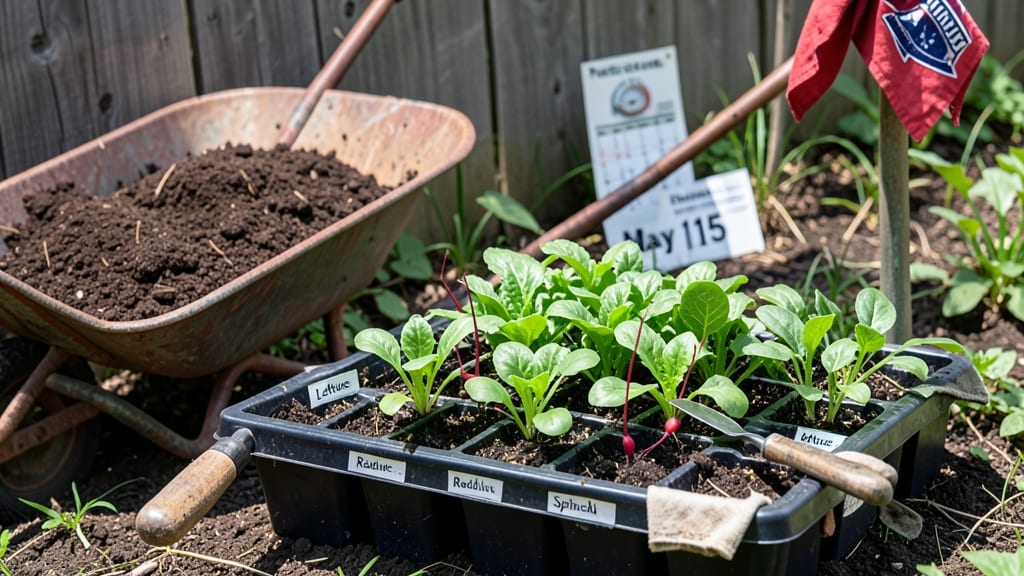
When can I plant my garden in Michigan? Timing your garden in the Great Lakes State isn’t just about the calendar—it’s about beating those unpredictable frost dates that can turn your hard work into a sad, wilted mess. Whether you're dreaming of juicy tomatoes or crisp lettuce, planting too early risks frost damage, while waiting too long cuts your harvest short. The key? Understanding your region's unique frost patterns and soil conditions to give your plants the best possible start.
From the Upper Peninsula's cooler climate to the Lower Peninsula's slightly milder springs, Michigan's gardening seasons vary more than you might think. I've broken down the science behind frost dates and planting windows so you can avoid common mistakes that even experienced gardeners make.
Let's dive into how to time your plantings perfectly—whether you're starting seeds indoors or putting them straight in the ground.
You'll discover exactly when to plant cool-season crops like spinach and peas versus warm-season favorites like peppers and cucumbers. I'll also share my top tips for adjusting your schedule when Michigan's weather throws curveballs—because let's face it, Mother Nature doesn't always follow the plan.
By the end, you'll have a clear roadmap to maximize your garden's potential, no matter where in the state you're growing.
Ready to transform your gardening game? Grab your notebook—we're about to turn your planting confusion into a successful, bountiful harvest. The growing season waits for no one, so let's get started on making yours the best yet!
Michigan’s frost dates and planting zones: when to start seeds indoors vs. outdoors
Michigan’s USDA Zone 5 classification means gardeners must plan carefully around last frost dates, which vary dramatically between the Lower Peninsula and the Upper Peninsula.
In southern Michigan, the average last frost date falls between May 10–20, while northern regions may see frost lingering until June 1–10. Understanding these timelines helps you decide when to start seeds indoors versus outdoors.
For cool-season crops like spinach, kale, and peas, you can sow seeds directly into the garden as early as March–April under row covers or in a cold frame. These hardy plants tolerate light frosts and even thrive in 40°F soil temperatures.
Meanwhile, warm-season crops such as tomatoes, peppers, and cucumbers need to wait until after the last frost, typically late May–early June.
Starting seeds indoors 6–8 weeks before the last frost date gives seedlings a head start. For example, if your last frost is May 15, begin tomato seeds indoors around March 15–March 30.
Use grow lights to supplement natural light, as Michigan’s short spring days can stunt seedling growth without extra illumination.
Here’s how to align your planting schedule with Michigan’s frost-free growing season, which typically spans 120–160 days depending on location. The Upper Peninsula’s shorter season demands earlier starts and faster-maturing varieties, while southern Michigan offers more flexibility for longer-season crops.
| Region | Last Frost Date | First Frost Date | Indoor Start (Cool-Season) | Outdoor Planting (Warm-Season) |
|---|---|---|---|---|
| Southern Michigan | May 10–20 | October 10–20 | March 1–April 15 | May 20–June 1 |
| Northern Michigan | June 1–10 | September 20–October 10 | March 15–April 30 | June 10–20 |
| Upper Peninsula | June 10–20 | September 10–20 | April 1–May 15 | June 20–July 1 |
🌱 Note: Adjust dates 1–2 weeks earlier for early varieties or later for heat-sensitive crops.
To determine your exact last frost date, check local weather records or use the Michigan State University Extension’s frost date map. Planting too early can kill tender seedlings, while waiting too long may reduce yields.
For example, broccoli and cabbage can handle light frosts but bolt in summer heat, so aim to harvest them before June 15 in southern Michigan.
Use succession planting to extend harvests. After pulling early crops like radishes (ready in 30 days), replant with bush beans or lettuce. This keeps your garden productive throughout the 120–160-day growing season.
In the Upper Peninsula, focus on fast-maturing varieties like bush beans (50 days) or zucchini (45 days) to maximize yields.
Monitor soil temperatures with a soil thermometer—most vegetables need 50°F+ soil to germinate. Cool-season crops like peas and spinach can handle 40°F soil, but warm-season crops like tomatoes and peppers require 60°F+. In cooler regions, use black plastic mulch to warm the soil faster.
For container gardening, start warm-season crops indoors 4–6 weeks before the last frost and move containers outside only after nighttime temperatures stay above 50°F. Containers warm up faster than garden beds, so they’re ideal for extending the season in northern Michigan.
Pro tip: Keep a gardening journal to track your local frost dates and adjust future planting schedules. Over time, you’ll refine your timing to match Michigan’s unpredictable weather patterns, ensuring a bountiful harvest every season.
Best vegetables and flowers to plant by month in Michigan (April–June guide)
Michigan’s April through June planting window is your golden opportunity to grow a bountiful garden. Cool-season crops like spinach and peas thrive in early spring, while warm-season favorites like tomatoes and peppers need to wait until soil warms. Let’s break down what to plant each month for a productive harvest.
Start with April’s cold-hardy greens—spinach, kale, and lettuce—while also sowing root vegetables like carrots and beets. These plants tolerate cooler temperatures and can handle occasional frost.
By mid-May, transplant tomatoes, peppers, and eggplants after the last frost date, typically around May 15 in Southern Michigan and June 1 in Northern regions.
🚨 (numbered highlights) HERE 🚨
🌱 Michigan Planting Timeline: April–June
- 📅 April: Plant spinach, peas, lettuce, carrots, beets, radishes directly in soil. Start onion and broccoli seeds indoors.
- 📅 Early May: Transplant cabbage, cauliflower, Brussels sprouts. Direct-sow bush beans, Swiss chard after soil reaches 50°F.
- 📅 Mid-May: Harden off tomato, pepper, and eggplant seedlings for transplanting after last frost. Plant marigolds, zinnias, and sunflowers for summer color.
- 📅 Late May–June: Sow cucumbers, squash, and corn after soil warms to 60°F+. Succession plant lettuce and radishes every 2 weeks.
For flowers, April is perfect for pansies and sweet peas, which bloom in cool weather. By May, add marigolds and zinnias to attract pollinators and deter pests. These vibrant blooms not only beautify your garden but also support beneficial insects like ladybugs and bees.
Don’t forget succession planting—this technique keeps your garden productive by staggering plantings. For example, sow radishes every 2 weeks in April and May for a continuous harvest. Similarly, bush beans can be planted in two batches—one in early May and another in late May—to extend your harvest window.
Monitor your garden closely in June for signs of pests or diseases. Row covers can protect young plants from flea beetles, while mulching retains soil moisture and suppresses weeds. With the right timing and care, your Michigan garden will reward you with fresh produce and stunning blooms all season long.
🌿 Pro tip: Keep a planting journal to track what thrives in your specific microclimate—this helps refine your schedule year after year. Happy gardening!