
Companion Plants
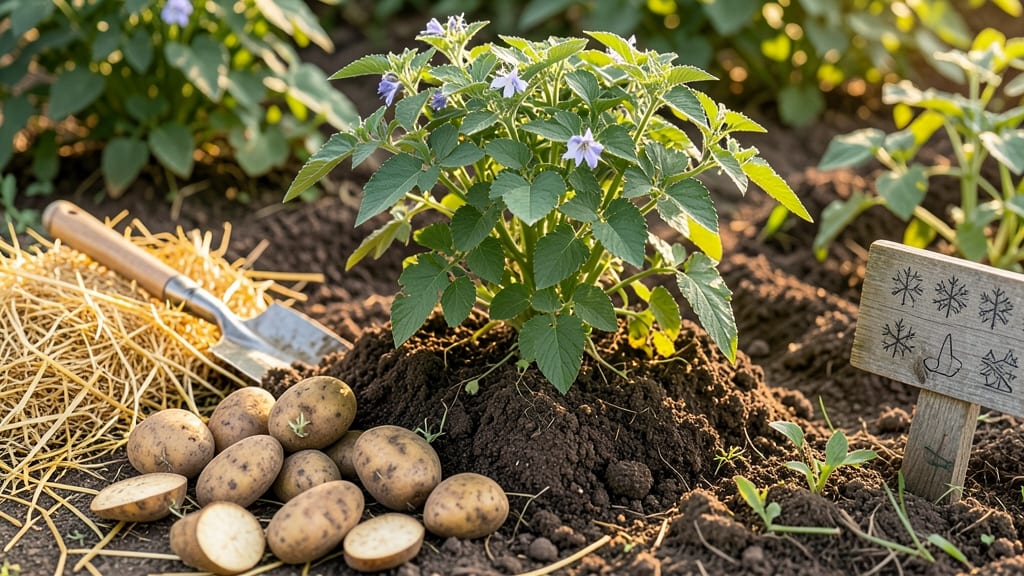
Timing when should I plant potatoes in Ohio isn’t just about the calendar—it’s about dodging frost, maximizing yield, and working with your local climate’s quirks. If you’ve ever stared at a seed potato wondering, "Is this the right week?" you’re not alone.
Ohio’s 6a zone means frost can still surprise you well into April, and planting too early or late can leave you with blighted tubers or stunted harvests.
The key to success lies in understanding Ohio’s last frost dates, which typically land around mid-April, and choosing varieties that match your planting window.
Early-season potatoes like Kennebec can go in as soon as the soil warms to 45°F in late February or March, while later varieties need to be in the ground by early April to avoid frost damage. But here’s the catch: soil temperature matters just as much as the calendar.
In this guide, I’ll break down the exact planting windows for Ohio’s most popular potato varieties, when to prep your soil, and how to stretch your growing season with simple tricks like row covers.
You’ll also learn how to use Ohio State University Extension’s frost data to fine-tune your schedule—because in Ohio, getting the timing right is the difference between a bountiful harvest and a gamble.
Ready to stop guessing and start growing? Let’s get those 🥔 potatoes in the ground at the perfect moment for your Ohio garden.
Ohio’s ideal potato planting window: frost dates & growing zones explained
Ohio’s frost dates vary dramatically across its USDA Zones 5-7, making precise potato planting timing critical. Northern counties like Ashtabula (Zone 5b) often see last frosts around May 15, while southern areas like Chillicothe (Zone 6b) typically reach 45°F soil temperatures by early April.
These differences mean your planting window could shift by 4-6 weeks depending on location.
To avoid frost damage to emerging sprouts, I always check the Ohio State University Extension’s frost maps before planting. The average last frost for most of Ohio falls between April 15-30, but I recommend planting 2-4 weeks before this date for early varieties.
For example, if your area’s last frost is May 1, aim to plant by April 15 to ensure tubers establish before cold snaps.
Soil temperature is just as critical as air temperature. Potatoes won’t sprout until the soil reaches 45°F. I use a soil thermometer to confirm readiness—waiting for 50°F+ speeds up germination.
In Zone 6a (central Ohio), this usually aligns with mid-April, while Zone 7b (southern Ohio) may be ready by early April.
| Region | USDA Zone | Avg. Last Frost | Ideal Planting Window | Soil Temp. Threshold |
|---|---|---|---|---|
| Northern Ohio | 5b-6a | April 20-May 5 | March 20-April 15 | 45°F+ |
| Central Ohio | 6a-6b | April 15-30 | March 1-April 10 | 45°F+ |
| Southern Ohio | 7a-7b | April 1-May 10 | February 28-April 5 | 45°F+ |
Source: Ohio State University Extension (2023)
Early planting comes with risks. If you plant too soon, cold soil can stunt sprouts or invite disease. I’ve learned this lesson the hard way—my 2021 early March planting in Zone 6a resulted in rotten tubers after a late frost.
Conversely, planting too late (after April 30) may mean smaller yields before the first frost in October. The sweet spot? Mid-to-late March for most of Ohio, adjusted for your specific zone.
For succession planting, I stagger my potatoes in 2-week intervals from March to May. This ensures a continuous harvest from July through September.
For example, I plant early varieties (like Yukon Gold) in early March, mid-season (like Kennebec) in late March, and late varieties (like Red Pontiac) in early May. This strategy maximizes my garden’s productivity and spreads out the harvest workload.
Don’t overlook fall planting either! While less common, some cold-hardy varieties (like Red Norland) can be planted in late summer (August) for a fall harvest before the first frost.
The key is to choose varieties with shorter days-to-maturity (under 90 days) and use row covers to extend the season. I’ve successfully harvested small potatoes in early October this way.
Pro tip: Use the USDA Plant Hardiness Map to pinpoint your exact zone, then cross-reference with Ohio’s historical frost data from the Midwestern Regional Climate Center. These tools help me fine-tune my planting schedule year after year.
For instance, 2022’s early April frost in Zone 6a caught me off guard—since then, I’ve added frost cloth to my early plantings as a precaution.
If you’re unsure about your local frost dates, I recommend checking with your county extension office. They often host free gardening workshops in early spring where you can get hyper-local advice.
For example, the Ohio State University Extension in Franklin County provides weekly frost updates via email—signing up for these alerts has saved my potatoes more times than I can count.
Remember, soil prep is just as important as timing. I always loosen the soil to 12 inches deep, mix in compost, and avoid fresh manure (which can burn tender tubers).
This ensures your potatoes have the best chance to thrive once they’re in the ground at the perfect time.
Best potato varieties for Ohio & their perfect planting schedules
Ohio’s diverse climate zones (5-7) mean not all potato varieties thrive equally here. Early-season types like Kennebec can handle cooler soils, while late varieties like Red Pontiac need warmer temperatures to mature before frost. The key is matching your planting window to each variety’s days-to-maturity and frost tolerance.
For Ohio, I recommend starting with 3-4 varieties to spread your harvest over summer. Early potatoes (60-90 days) go in late February to March, mid-season (90-110 days) in early April, and late-season (110+ days) by mid-April. This staggered approach ensures you’re not playing catch-up with frost.
| Variety | Planting Window | Days to Maturity | Frost Tolerance | Best For |
|---|---|---|---|---|
| Kennebec | Late Feb - Early March | 60-80 days | High | Early harvest, storage |
| Yukon Gold | Early April | 90-110 days | Moderate | Buttery texture, roasting |
| Red Pontiac | Mid-April | 110-130 days | Low | Long storage, salads |
| Fingerlings | Early April | 70-90 days | Moderate | Container gardening |
If you’re in northern Ohio (zone 5), prioritize early varieties like Kennebec—they mature before the first frost in mid-October. Southern Ohio gardeners (zone 7) can push late varieties like Red Pontiac, but plant them by April 15 to avoid blight from summer humidity.
Pro tip: Use Ohio State University Extension’s frost calendar to adjust your schedule. For example, if their data shows a late frost in your area, delay planting by 1-2 weeks. Also, chit your seed potatoes (place them in light for 2-3 weeks before planting) to jumpstart growth in cooler soils.
For container gardening in Ohio, fingerlings are your best bet—they mature quickly and thrive in 5-gallon pots. Just ensure your containers get full sun and use a lightweight potting mix to prevent cracking tubers.
Remember, Ohio’s short growing season demands precision. Planting too early risks frost damage, while late starts may not yield mature potatoes before harvest time. By aligning your varieties with the USDA zone and local frost data, you’ll maximize your potato harvest every season. 🥔