
How To
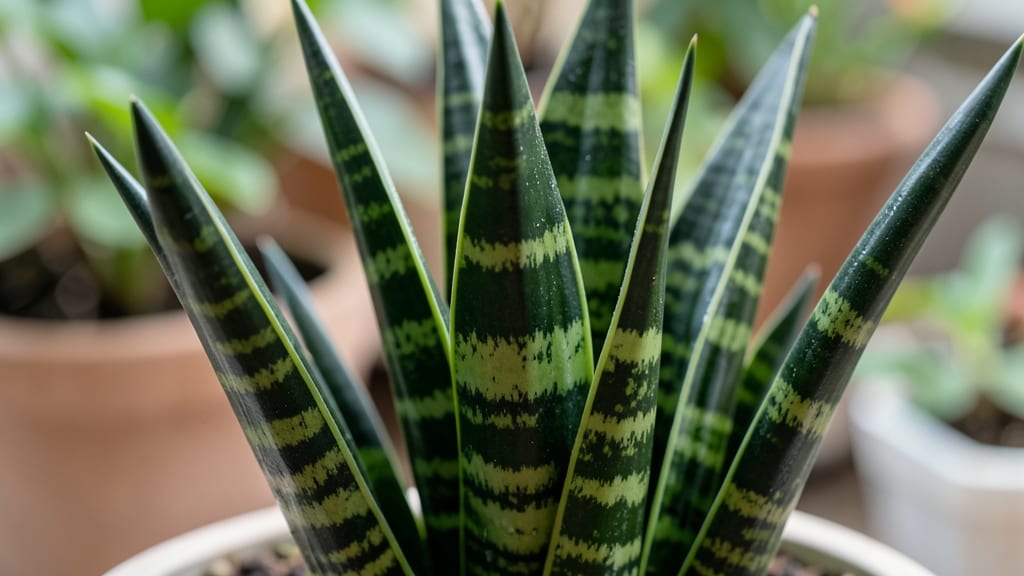
If you’ve ever glanced at your snake plant and wondered how tall they grow, you're asking the right question. These resilient plants can grow anywhere from a modest 1 foot to a towering 4 feet, depending on the variety and how you care for it.
Some varieties, like the dwarf 'Hahnii', stay small and bushy, while others, such as the classic 'Laurentii,' can stretch toward the sky if given the right conditions. Understanding these differences is the key to managing your plant’s growth and keeping it the perfect size for your space.
Light exposure, pot size, and even your watering habits play a huge role in how tall your snake plant becomes. With the right care, you can encourage healthy growth without ending up with a plant that outgrows its welcome.
Let’s break down the factors that influence height, from species-specific growth patterns to practical tips for controlling your plant’s size. You’ll learn how to keep your snake plant at just the right height for your home.


Snake plant height by variety: from dwarf to towering giants
Snake plants (Sansevieria trifasciata and its cultivars) are famous for their striking, upright foliage—but their mature height can surprise even seasoned plant parents. While some varieties stay compact enough for windowsills, others can reach head-towering heights of 6 feet or more.
The key difference? Variety, care conditions, and growing environment. Let’s break down the height ranges for 10+ popular snake plant varieties so you can predict your plant’s future growth trajectory.
Before we dive in, remember: indoor snake plants typically grow 20-30% shorter than their outdoor counterparts due to limited light and space. Outdoor plants bask in full sun exposure, which accelerates growth. Always check your variety’s mature height range before choosing a pot or garden spot.
For example, a 1-foot-tall 'Hahnii' in a 2-foot pot will look cramped, while a 4-foot 'Futura Superba' needs plenty of vertical space.
🌱 Pro Tip: Measure your plant’s height annually to track growth. Use a ruler or measuring tape along the tallest leaf, from base to tip. Most snake plants grow 2-6 inches per year, but some varieties like 'Laurentii' can shoot up 8-12 inches annually with ideal care.
| Variety | Mature Height (Indoor) | Mature Height (Outdoor) | Leaf Width | Growth Rate | Notes |
|---|---|---|---|---|---|
| Sansevieria 'Hahnii' (Bird's Nest) | 12-18 inches | 18-24 inches | 2-3 inches | Slow | Compact, rosette-forming; ideal for small spaces. |
| Sansevieria 'Futura Superba' | 3-5 feet | 5-7 feet | 3-4 inches | Moderate | Bold, blue-green leaves with yellow edges. |
| Sansevieria 'Laurentii' (Mother-in-Law's Tongue) | 2-3 feet | 4-5 feet | 2-3 inches | Moderate | Classic variety with yellow borders. |
| Sansevieria 'Moonshine' | 2-3 feet | 3-4 feet | 2-2.5 inches | Fast | Bright, chartreuse leaves; popular for modern interiors. |
| Sansevieria 'Black Gold' | 2-3 feet | 3-4 feet | 2-2.5 inches | Moderate | Dark, near-black foliage with yellow edges. |
| Sansevieria 'Cylindrica' | 1-2 feet | 2-3 feet | 1-1.5 inches | Slow | Cylindrical leaves; unique texture. |
| Sansevieria 'Twisted Sister' | 2-3 feet | 3-4 feet | 2-3 inches | Moderate | Twisted, wavy leaves; dramatic appearance. |
| Sansevieria 'Golden Hahnii' | 12-18 inches | 18-24 inches | 1.5-2 inches | Slow | Dwarf variety with golden edges. |
| Sansevieria 'Zeylanica' | 1-2 feet | 2-3 feet | <