
How To
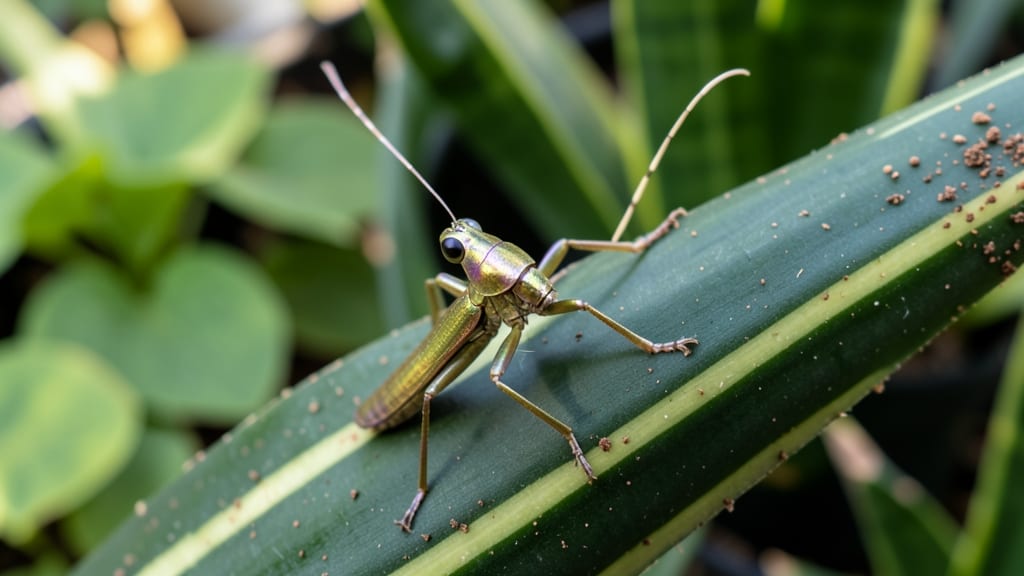
If your 🌱 snake plant is growing slower than a snail on a lazy Sunday, you might be getting how much light a snake plant needs wrong.
The truth? These tough plants thrive in low to bright indirect light, making them perfect for forgetful plant parents or dimly lit offices.
Most people overthink it—too little light stunts growth, while harsh direct sun burns those iconic upright leaves. The secret is finding that sweet spot where your snake plant stays happy without turning into a crispy critter.
I’ll break down exactly how much light your 🌱 snake plant needs to flourish, plus how to spot when it’s begging for a better spot.
Whether you’re dealing with a north-facing window or a shadowy corner, I’ve got the easy fixes to keep your plant perky. No green thumb required—just a little light know-how and a watchful eye for those telltale signs of stress.
Let’s get your snake plant back in its glory with the perfect lighting routine. You’ll be amazed at how much a simple adjustment can transform its health—and your confidence as a plant parent.

Ideal light requirements for snake plants: low to bright indirect sunlight explained
Snake plants (Sansevieria) are famous for their adaptability, but even they need the right light conditions to thrive. Unlike sun-worshipping plants, snake plants prefer low to bright indirect light.
This means they can handle dim corners but also flourish near windows—just avoid harsh, direct sunlight that can scorch their leaves.
Think of them like the chameleons of houseplants: they adjust to your space. In low light, they grow slower but stay healthy, while bright indirect light encourages lush, vibrant foliage.
The key is finding that sweet spot where their leaves stay green and upright, not yellow or crispy.
Here’s the breakdown: 2-4 hours of indirect light daily is ideal for most snake plants. If you’re in a north-facing room, they’ll thrive near the window. For east or west windows, place them 3-5 feet away to avoid intense afternoon rays.
South-facing windows? Keep them farther back or use sheer curtains to diffuse the light.
Outdoors, snake plants love filtered sunlight, like under a tree canopy or on a shaded patio. They can handle partial sun (3-6 hours daily), but direct midday sun will cause brown leaf tips or bleached patches.
Even in low light, they won’t die—they’ll just grow more slowly and develop darker, thicker leaves.
Pro tip: Rotate your snake plant quarter-turns every few weeks to ensure even growth. Since they grow toward the light, one side can become leggy if left untouched. This simple habit keeps them balanced and bushy.
🌱
| Light Level | Daily Exposure | Leaf Color | Growth Rate | Best For |
|---|---|---|---|---|
| Low Light | Under 2 hours | Darker green | Slow | Offices, bathrooms |
| Medium Light | 2-4 hours | Vibrant green | Moderate | Living rooms, kitchens |
| Bright Indirect | 4-6 hours | Lighter green/yellow | Fast | Sunrooms, near east/west windows |
| Direct Sun | Over 6 hours | Brown/yellow patches | Stunted or burned | Avoid (outdoor midday sun) |
Seasonal changes matter too. In winter, when natural light drops, your snake plant may slow down. Move it closer to a window if you notice stretched or pale leaves.
Conversely, in summer, watch for heat stress near south-facing windows. A simple trick? Use a sheer curtain to filter the light without blocking airflow.
If you’re unsure about your space, test it with this DIY light test: Place a white piece of paper near your plant for a few hours.
If the shadows are sharp and dark, the light is too harsh. If the paper stays mostly white, you’ve got the perfect bright indirect light setup.
Remember, snake plants are forgiving. Even if you overestimate their light needs, they’ll survive. But for the healthiest, fastest-growing plant, aim for that medium-light sweet spot—where their leaves stay perky and their growth stays steady.
🪴
Ideal light requirements for snake plants: low to bright indirect sunlight explained
Your snake plant (Sansevieria) is a master of adaptability, but even it has its limits when it comes to light exposure. The sweet spot? 2-4 hours of bright indirect light daily, though it can tolerate as little as low light conditions for survival.
This flexibility makes it perfect for offices, bedrooms, or even bathrooms with minimal natural light.
Think of your snake plant’s leaves like a sun-seeking turtle—they’ll stretch toward light if deprived, but too much direct sun turns them crispy. The key is mimicking dappled forest light, where sunlight filters through leaves rather than hitting directly. This prevents leaf burn while keeping growth steady.
Here’s how different light levels affect your plant’s health:
| Light Level | Daily Exposure | Leaf Color | Growth Rate | Best For |
|---|---|---|---|---|
| Low Light | Indirect light only | Dull green | Slow | Offices, hallways |
| Medium Light | 2-4 hours indirect | Rich green | Moderate | Living rooms, kitchens |
| Bright Indirect | 4+ hours filtered | Deep green/yellow | Fast | Sunny windows (sheered) |
For outdoor snake plants, spring and summer call for extra caution. Place them in partial shade (morning sun only) to avoid leaf scorch. Evenings are safe for direct light, as the intensity has mellowed.
If your plant is outdoors year-round in USDA Zone 6+, a lightweight shade cloth (30-50%) works wonders during peak sun hours.
Pro tip: Rotate your plant quarter-turns every 2-3 weeks to ensure even growth. Snake plants grow toward light, so one side can become lopsided if left untouched. This simple habit keeps those upright leaves symmetrical and sturdy.
Even in low light, your snake plant will survive—but it won’t thrive. Push for at least medium light exposure to see vibrant growth and those signature arching leaves you love. The payoff? A plant that’s not just alive, but flourishing.