
How To
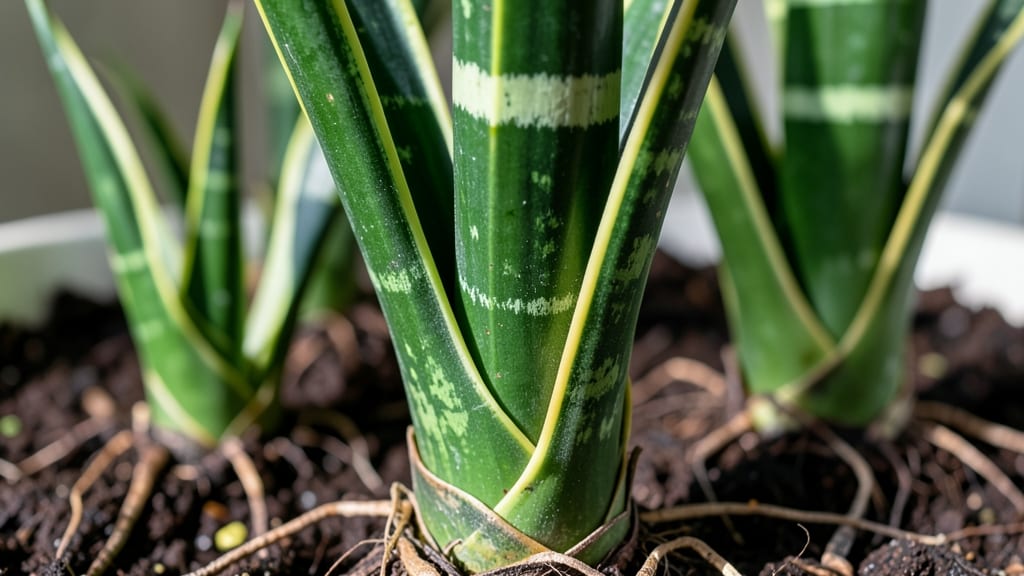
If you’ve ever glanced at your snake plant 🌱 and wondered how tall it can grow, you’re not alone. This hardy houseplant can grow surprisingly tall—sometimes reaching heights that’ll make you reconsider where you place it.
But whether your snake plant stays compact or shoots up like a skyscraper depends on more than just luck.
The truth is, your snake plant’s height isn’t set in stone. With the right care, some varieties can grow up to 4 feet tall indoors, while others stay shorter and bushier. The key lies in understanding how factors like light, pot size, and even pruning influence its growth.
Whether you love a towering statement plant or prefer a smaller, low-maintenance option, this guide will help you steer its height in the right direction.
Let’s break down the science behind snake plant growth—from the fastest-growing varieties to the sneaky tricks that keep them petite. You’ll learn how to encourage vertical growth (or rein it in) and why some plants seem to defy expectations. Ready to stop guessing and start growing your perfect snake plant?
By the end, you’ll know exactly what to expect from your snake plant’s height and how to nurture it for years to come—no surprises included. Whether you’re working with a 6-inch starter or a mature plant, these insights will help you get the results you want, fast.


Snake plant height limits: how tall can they grow indoors?
If you’ve ever glanced at your snake plant and wondered, "Will this ever stop growing?"—you’re not alone. These architectural plants can reach surprising heights indoors, but their growth depends on variety, container size, and care habits.
Some varieties like Sansevieria trifasciata (the classic "mother-in-law's tongue") can stretch up to 10 feet tall in ideal conditions, while dwarf varieties stay under 2 feet. The key? Understanding their natural growth patterns and how to work with them.
Most snake plants grow vertically through rhizomes—thick, underground stems that push upward. In nature, they can grow much taller, but indoor environments limit their height unless you provide the right conditions.
For example, a standard Sansevieria trifasciata typically matures between 2 and 4 feet tall indoors, while cylindrical varieties like Sansevieria cylindrica can reach 6 to 10 feet with proper care. Let’s break down what influences their height and how to manage it.
🌱
| Variety | Indoor Height Range | Growth Habit | Care Tip for Height |
|---|---|---|---|
| Sansevieria trifasciata (Standard) | 2–4 feet | Upright, slow-growing | Use tall pots for vertical growth |
| Sansevieria trifasciata 'Hahnii' (Bird's Nest) | 1–2 feet | Compact, rosette-forming | Prune to encourage bushiness |
| Sansevieria cylindrica (Cylinder) | 6–10 feet | Tall, slender, fast-growing | Provide bright, indirect light |
| Sansevieria moonshine | 2–3 feet | Medium, bushy | Rotate pot for even growth |
| Sansevieria zeylanica (Dwarf) | 1–2 feet | Low-growing, spreading | Use shallow pots for compact growth |
As you can see, the variety is the biggest predictor of height. But even within the same species, container size plays a huge role. Snake plants grow taller when root-bound—their roots fill the pot, signaling the plant to stretch upward.
For example, a Sansevieria trifasciata in a 5-gallon pot will likely reach 4 feet, while the same plant in a small 1-gallon pot may stay under 2 feet. This is why many gardeners repot their snake plants every 2–3 years to encourage vertical growth.
Light exposure also impacts height. While snake plants tolerate low light, they grow much taller and fuller in bright, indirect sunlight. Place yours near a north- or east-facing window for optimal growth.
If you notice your plant stretching toward a light source (a sign of etiolation), it’s time to move it closer to a brighter spot or supplement with a grow light. Just avoid direct midday sun, which can scorch the leaves.
Another misconception is that snake plants grow slowly in height. While they’re not fast growers, they can add 6–12 inches per year under ideal conditions. For instance, a 3-year-old Sansevieria trifasciata might reach 3 feet tall, while a 5-year-old plant could hit 4 feet.
Patience is key—these plants are built for longevity, not speed.
If you’re worried about your snake plant becoming too tall for its space, don’t fret! You can prune the leaves at the base to encourage bushier growth.
Simply cut a leaf 1–2 inches above the soil line with clean, sharp pruning shears, and the plant will redirect energy to producing new shoots. This trick works especially well for taller varieties like Sansevieria cylindrica, keeping them manageable without sacrificing their striking appearance.
For those with limited vertical space, consider dwarf varieties like Sansevieria zeylanica or Sansevieria trifasciata 'Hahnii'. These stay under 2 feet and thrive in small pots or hanging baskets. Even standard varieties can be kept compact by <
5 Factors that control snake plant height (and how to adjust them)
Your snake plant’s height isn’t just a matter of genetics—it’s heavily influenced by how you care for it. While some varieties naturally grow taller, others stay compact. The good news? You can adjust your plant’s growth by tweaking just a few key factors.
Whether you want a towering statement plant or a bushy, low-profile option, understanding these controls gives you full creative power.
Light exposure is the #1 factor shaping your snake plant’s height. In bright, indirect light, these plants stretch upward to reach more sunlight, often growing taller and leaner. But in low-light conditions, they grow slower and stay shorter.
If your plant feels like it’s reaching for the ceiling, move it closer to a window—but avoid harsh direct sun, which can scorch the leaves.
The size of your container directly impacts how tall your snake plant grows. Root-bound plants in small pots will focus energy on vertical growth, shooting up quickly. To encourage a shorter, bushier plant, repot into a slightly larger container (just 1-2 inches wider) every few years.
This gives roots more room to spread horizontally, slowing the upward surge.
Light Exposure
Bright indirect light = taller growth. Low light = slower, shorter growth. Move plants 1-3 feet from windows for ideal balance.
Container Size
Small pots = taller plants. Larger pots = bushier growth. Repot every 2-3 years into containers just 1-2 inches wider.
Pruning Techniques
Trim leggy leaves at the base to encourage bushier growth. Remove flower stalks to redirect energy to foliage.
Soil Conditions
Use fast-draining soil (cactus mix) to prevent root rot. Well-aerated soil = healthier roots = controlled growth.
Watering Habits
Overwatering = leggy growth. Water only when soil is completely dry (every 2-3 weeks). Deep watering = stronger roots.
Pruning is your secret weapon for controlling height. If your snake plant starts looking too leggy, simply trim the tallest leaves at the base. This encourages new shoots to grow from the center, creating a fuller, more compact plant.
Pro tip: Remove any flower stalks immediately—they steal energy from leaf growth, making your plant grow taller instead of bushier.
Don’t overlook the power of soil quality. Snake plants thrive in fast-draining mixes designed for succulents or cacti. Heavy, moisture-retentive soil can cause root stress, leading to uneven growth patterns.
Aim for a mix that dries out quickly—this keeps roots healthy and encourages steady, predictable growth. A well-aerated soil also prevents the root-bound stress that often triggers rapid vertical growth.
Finally, your watering habits play a surprising role in height control. Overwatering stresses the plant, causing it to grow taller and thinner as it stretches toward light. Instead, water only when the top 2-3 inches of soil are completely dry.
This deep-watering approach strengthens roots and promotes balanced growth. Remember: snake plants are drought-tolerant—better to underwater slightly than drown them.