
How To
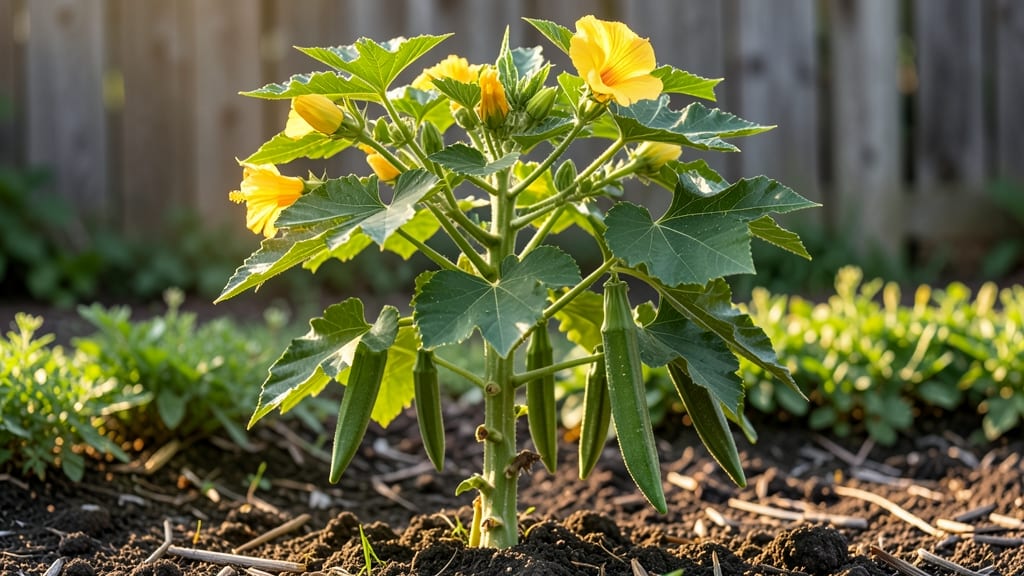
If you're wondering how tall okra plants grow, you're in for a surprise—these fast-growing 🌱 powerhouses can shoot up from 3 feet to a towering 10 feet depending on the variety.
Whether you're planning a small backyard garden or a sprawling plot, understanding their growth habits is key to maximizing your harvest.
Not all okra is created equal—some varieties stay compact, perfect for containers, while others reach sky-high, needing sturdy trellises. The right spacing and care can make all the difference, turning your garden into a productive green jungle instead of a tangled mess.
Let’s break down what you need to know to keep your okra thriving.
From dwarf types that stay under 3 feet to giants that stretch toward the sky, each variety has its own growth quirks. Factors like sunlight, soil quality, and even your local climate play a role in how tall your okra will grow.
With the right approach, you can encourage healthy growth or control sprawling plants before they take over.
Ready to transform your garden? Whether you're a beginner or a seasoned gardener, these tips will help you manage okra height like a pro. Let’s dive into the details so you can grow the perfect plants for your space.


Okra plant height by variety: from compact to towering giants
Okra is one of those fast-growing vegetables that can either stay compact and manageable or shoot up like a towering jungle vine—depending on the variety. If you're planning your garden layout, knowing these height differences will help you decide where to plant.
Most okra varieties fall into three categories: dwarf (2–3 ft), semi-dwarf (4–6 ft), and standard (6–10 ft). The right choice can save you space or help you maximize vertical growth!
For example, the Clemson Spineless variety is a towering giant that can reach 8–10 feet tall, while Emerald or Burgundy varieties stay shorter at 3–5 feet.
Even within the same variety, factors like soil quality, sunlight exposure, and watering habits can influence how tall your okra grows. Let’s break down the most popular varieties and their mature heights so you can plan accordingly.
🌱 Visual Growth Comparison: Imagine your okra plants growing from the height of a standard kitchen counter (3.5 ft) all the way up to a basketball hoop (10 ft). That’s the range you’re dealing with! Dwarf varieties are perfect for container gardening or small spaces, while taller varieties thrive in open garden beds or when trained vertically. The key is matching the variety to your garden layout and harvesting goals.
| Variety | Mature Height | Spacing Needs | Best For |
|---|---|---|---|
| Clemson Spineless | 8–10 ft | 30–36 inches apart | Large gardens, trellises |
| Emerald | 3–5 ft | 12–18 inches apart | Containers, small spaces |
| Burgundy | 4–6 ft | 18–24 inches apart | Bushy gardens, trellises |
| Jinster Green Velvet | 6–8 ft | 24–30 inches apart | Vertical gardens, fences |
| Arkansas Little Leaf | 2–3 ft | 12 inches apart | Containers, urban gardens |
*Height can vary based on climate, soil, and care.
If you’re growing taller okra varieties, consider using trellises or stakes to save space and improve airflow. This not only keeps your garden neat and organized but also reduces the risk of diseases like powdery mildew, which thrive in dense, humid conditions.
For dwarf varieties, you can get away with closer spacing, making them ideal for container gardening on patios or balconies.
Another factor that affects height is the growing season length. Okra is a warm-season crop that thrives in USDA Zones 5–11 and needs at least 60–75 days of warm weather to reach maturity.
In cooler climates, shorter varieties like Arkansas Little Leaf may not reach their full height but will still produce abundant pods. Meanwhile, in hot, humid regions, taller varieties like Clemson Spineless can grow even taller with proper care.
Proper soil preparation also plays a role in height. Okra prefers well-draining, fertile soil with a pH of 6.0–6.8. Amending your soil with compost or aged manure before planting gives your okra the nutrients it needs to grow strong and tall.
Avoid heavy, clay soils, which can stunt growth and lead to root rot. If your soil is poor, consider planting in raised beds for better control over growing conditions.
One common mistake gardeners make is overcrowding okra plants, which leads to competition for nutrients and stunted growth. Even tall varieties need space to develop properly. For instance, Clemson Spineless needs 30–36 inches between plants, while Emerald can get by with just 12–18 inches.
Skimping on space might seem like a good idea in small gardens, but it often results in
Okra plant height by variety: from compact to towering giants
Okra plants can vary wildly in height, from compact dwarf varieties perfect for containers to towering giants that need vertical support. The key to managing their growth starts with choosing the right variety for your space.
Whether you have a small balcony or a sprawling backyard, understanding these height differences will help you plan your garden layout effectively.
Most okra varieties fall into three height categories: dwarf (2–3 feet), semi-dwarf (4–6 feet), and standard (6–10 feet). The variety you pick will determine not only how much vertical space you need but also how you’ll train and support the plants.
For example, a Clemson Spineless variety can reach 8–10 feet, while a Burgundy variety stays closer to 4–6 feet.
| Variety | Mature Height | Spacing Needs | Best For |
|---|---|---|---|
| Dwarf Varieties (e.g., 'Burgundy', 'Emerald') | 2–3 feet | 12–18 inches apart | Containers, small gardens, urban spaces |
| Semi-Dwarf Varieties (e.g., 'Cajun Delight') | 4–6 feet | 18–24 inches apart | Backyard gardens, raised beds |
| Standard Varieties (e.g., 'Clemson Spineless', 'Jinhee') | 6–10 feet | 24–36 inches apart | Large gardens, trellises, vertical growing |
If you’re growing taller okra varieties, consider using trellises or stakes to support their weight and improve air circulation. This not only saves space but also reduces the risk of fungal diseases that thrive in crowded, humid conditions.
For example, the Clemson Spineless variety benefits greatly from vertical training, as its long, slender pods can become top-heavy and prone to breaking.
For dwarf varieties, focus on container gardening or closely spaced rows in raised beds. These compact plants are ideal for small spaces but still need 6–8 hours of sunlight daily to reach their full potential.
If you’re short on space, a 5-gallon bucket with drainage holes can work wonders for a single dwarf plant.
Remember, okra’s height isn’t just about the variety—soil quality, sunlight, and watering also play a role. Well-draining soil rich in organic matter can encourage healthier, taller growth, while consistent moisture (but not soggy soil) helps prevent stunted plants.
In hot climates, okra may grow faster and taller due to longer growing seasons.
Pro tip: If you’re unsure about your garden’s layout, start with a semi-dwarf variety like 'Cajun Delight.' It strikes a balance between manageable height and high yield, making it a great choice for both beginners and experienced gardeners.
With the right variety and care, your okra can thrive—whether it’s a compact bush or a sky-scraping giant.