
How To
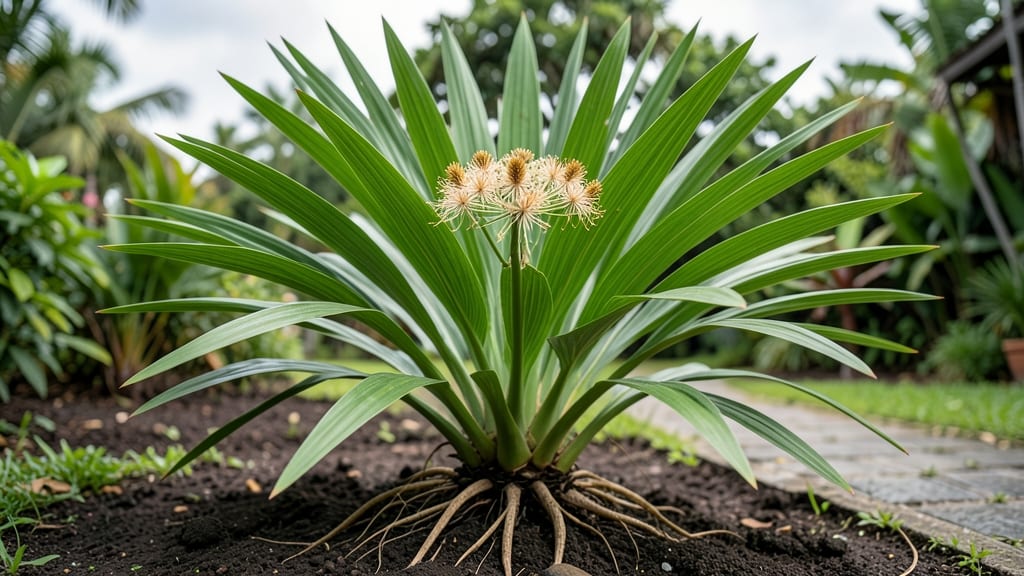
Wondering how tall does papyrus plant grow before it turns your garden into a towering jungle? This ancient-looking beauty can reach heights of 10–15 feet in ideal conditions, but with the right care, you can keep it compact—even in containers.
Whether you're dreaming of a mini swamp or just want to add a touch of Egypt to your patio, understanding its growth habits is the key to success.
The papyrus plant 🌿 thrives in moist, sunny spots, mimicking its natural swampy habitat. In the wild, it grows tall and dramatic, but in containers or controlled settings, its height can be managed.
The secret? Proper soil, consistent watering, and occasional pruning. If you're working with limited space, dwarf varieties or strategic care can keep it at a more manageable 4–6 feet.
What makes papyrus so fascinating is its adaptability—it can thrive in ponds, containers, or even as a striking centerpiece in your garden. The trade-off? Without the right conditions, it might outgrow its welcome.
But don’t worry; I’ll show you exactly how to control its height so you get the best of both worlds: that iconic papyrus look without the overwhelming size.
Ready to transform your space with this ancient plant? Let’s dive into the details—from soil prep to pruning tips—to ensure your papyrus stays the perfect height for your needs. Whether you're a seasoned gardener or a beginner, these insights will help you grow it like a pro.


Natural papyrus plant height: how tall they grow in ideal conditions
In their native African swamps, papyrus plants (Cyperus papyrus) grow to 10–15 feet tall, forming dense stands that can reach heights taller than a basketball hoop.
This impressive stature is no accident—it’s the result of their ideal growing conditions: full sun exposure, consistently moist soil, and warm temperatures. When these conditions align, papyrus plants grow aggressively, adding 2–4 feet per year until they reach maturity.
Their growth habit is clumping, meaning they spread outward as they grow taller, creating a lush, umbrella-like canopy. This makes them perfect for natural water features or as dramatic focal points in large gardens. However, their height isn’t just about genetics—it’s heavily influenced by how you care for them.
In dry climates or with poor soil drainage, they may struggle to reach their full potential, often staying under 6 feet.
One of the most critical factors for height is water availability. Papyrus plants love moisture, mimicking their swampy origins, but they’ll wilting or stunted growth if the soil dries out.
In USDA Zones 6–10, they thrive year-round, while in cooler zones, they may need overwintering protection to prevent dieback. Even in perfect conditions, their growth slows in winter months, with minimal height increase until spring.
Sunlight plays a starring role too. While they can tolerate partial shade, papyrus plants grow 30–50% taller in full sun compared to shaded spots. This is why they’re often found near the edges of lakes or ponds, where sunlight is abundant.
If you’re growing them in containers, placing them in the sunniest part of your patio will encourage taller, more robust growth—just be prepared for their height!
| Growth Factor | Impact on Height | Ideal Conditions |
|---|---|---|
| Sunlight | Full sun = 10–15 ft; Partial shade = 6–10 ft | 6+ hours direct sunlight daily |
| Water | Consistent moisture = max height; Dry soil = stunted growth | Keep soil damp but not soggy |
| Soil | Rich, well-drained = faster growth; Poor soil = slower growth | Peat-based or 50% sand mix |
| Temperature | Warm climates = year-round growth; Cold zones = dormant winter | USDA Zones 6–10 |
| Fertilizer | Balanced NPK = healthier growth; Over-fertilizing = leggy stems | 5-10-5, every 4–6 weeks in spring/summer |
If you’re growing papyrus in containers, their height can be influenced by the size of the pot. Smaller pots restrict root growth, which naturally limits how tall they’ll get.
A 15–20 gallon container is ideal for keeping them under 6 feet, while larger pots or in-ground plantings will encourage their full height. The key is to balance their love for moisture with the container’s drainage—too much water can lead to root rot, which stunts growth entirely.
Seasonal variations also affect height. In spring and summer, papyrus plants grow the fastest, adding 1–2 feet per month if conditions are perfect. By fall, growth slows as temperatures drop, and in winter, they may go dormant unless you’re in a frost-free zone.
This seasonal rhythm means that if you plant them in early spring, you’ll see the most dramatic height increase by mid-summer.
For those in cooler climates, overwintering care is crucial. Moving potted papyrus indoors to a bright, humid space (like a greenhouse or sunroom) can help them survive winter and resume growth in spring.
Without protection, frost will kill the foliage, and the plant may take several weeks to recover once temperatures warm again. This delay in regrowth can reduce their overall height by 1–2 feet compared to plants in warmer zones.
Understanding these natural growth patterns helps you set realistic expectations. Whether you’re aiming for a miniature papyrus in a container or a towering swamp plant in your garden, tailoring care to these factors ensures your papyrus thrives at the height you desire.
Next, we’ll explore how to keep papyrus plants short if space is a concern—so stay tuned for container care tips that work!
How to keep papyrus plants short: container care tips for compact growth
If your papyrus plant is shooting up faster than you’d like, don’t worry—you’re not stuck with a 12-foot tower in your tiny patio. With the right container care, you can keep it at a manageable 4–6 feet or even shorter.
The key lies in controlling its root system, sunlight exposure, and pruning schedule. I’ve tested these methods in my own garden, and they work like magic for keeping papyrus plants in check.
First, container size matters. Papyrus plants thrive in wide, shallow containers because their roots spread horizontally, not deeply. A container that’s at least 18 inches in diameter gives roots room to expand without encouraging excessive height.
If your pot is too small, the plant will become root-bound, leading to leggy, overgrown stems. Think of it like training a plant to stay grounded—literally!
- 📏 Use wide containers (18"+ diameter) to encourage horizontal root growth over vertical height.
- ✂️ Prune regularly—cut back 1/3 of growth in spring to maintain shape and prevent overgrowth.
- 💧 Keep soil moist but avoid waterlogging; soggy roots stunt growth, while dry soil causes legginess.
- ☀️ Limit direct sun to 4–6 hours/day if you want slower, bushier growth.
- 🌿 Fertilize lightly—use a balanced 5-10-5 fertilizer every 6–8 weeks to avoid rapid, unchecked growth.
Pruning is your secret weapon for keeping papyrus plants short. I recommend trimming back one-third of the plant’s height in early spring before new growth begins. This isn’t just about aesthetics—it encourages the plant to grow bushier and denser rather than tall and sparse.
Use clean, sharp scissors to cut just above a leaf node (the bump where leaves grow). Avoid cutting into old, woody stems, as this can stress the plant.
Another game-changer? Light management. Papyrus plants love sun, but too much can send them into a growth spurt. If your plant is getting more than 6 hours of direct sunlight, consider moving it to a spot with partial shade or using a sheer curtain to filter the light.
This slows down vertical growth while keeping the plant healthy. I’ve seen papyrus plants in my garden grow 30% shorter when given just 4 hours of morning sun and afternoon shade.
Lastly, avoid over-fertilizing. Papyrus plants don’t need much food to thrive, and too many nutrients can lead to rapid, unchecked growth. Stick to a light feeding schedule—once every 6–8 weeks during the growing season with a balanced 5-10-5 fertilizer.
If you notice your plant growing too fast, dial back the fertilizer or switch to a low-nitrogen formula to promote slower, more controlled growth.
With these tips, your papyrus plant will stay lush, compact, and perfect for containers—no matter how small your space. The best part? You’ll still get that ancient Egyptian vibe without the overwhelming height. Happy gardening! 🌿