
Plants
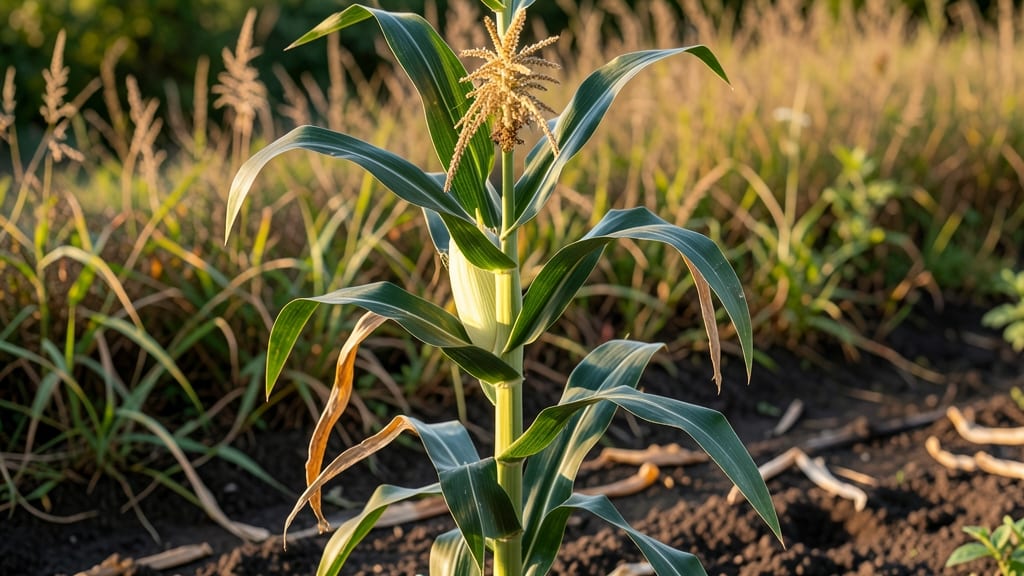
If you’ve ever planted corn and wondered how tall a corn plant can grow, you’re not alone. The height of a 🌽 corn plant can vary dramatically—from just 3 feet in dwarf varieties to a staggering 10 feet in towering field corn.
This difference isn’t random; it’s shaped by genetics, growing conditions, and even the type of corn you’re cultivating.
For gardeners in USDA Zone 6a, where spring planting kicks off in April, understanding these height variations is key to planning your garden layout.
Whether you’re growing sweet corn for the table or field corn for livestock, knowing what to expect helps you space plants properly, support tall varieties, and avoid common pitfalls like lodging (when plants flop over).
But here’s the thing: height isn’t just about aesthetics. Taller corn often means bigger yields, but it also requires more care—think sturdy staking, rich soil, and consistent watering. Meanwhile, shorter varieties might be better suited for small gardens or containers, where space is limited.
Let’s break down the factors that influence corn height and how you can optimize growth for your specific goals.
In this guide, you’ll discover the height ranges of popular corn varieties, the environmental factors that push stalks skyward or keep them short, and practical tips to support your corn—no matter how tall it grows. Ready to grow corn that reaches its full potential? Let’s get started.


Corn plant height by variety: from dwarf to towering giants
Corn plants are architectural marvels of the garden, with mature heights ranging from 3 feet to over 10 feet—depending on the variety. If you’re planning your garden layout, knowing these height differences helps you space plants correctly and avoid shade competition.
For example, dwarf varieties like 'Golden Bantam' stay compact at just 3-5 feet, while standard sweet corn like 'Silver Queen' can tower up to 8-10 feet. These differences aren’t just about aesthetics; they impact yield, ease of harvest, and even pollination success.
The height of your corn plants is primarily determined by their genetics, but environmental factors like sunlight, soil fertility, and water can push them toward their upper or lower growth limits.
For instance, field corn (used for animal feed and ethanol) often grows taller than sweet corn—some varieties reaching 12 feet—because their focus is on stalk strength and kernel production rather than ear size.
Meanwhile, popcorn varieties typically fall in the 5-8 foot range, striking a balance between height and ear development.
Here’s the key takeaway: Dwarf varieties are ideal for small gardens or containers, while standard and tall varieties thrive in open fields or large backyard plots.
If you’re growing corn for fresh eating, sweet corn varieties like 'Peaches and Cream' (7-8 ft) or 'Ambrosia' (8-9 ft) offer a sweet compromise between height and harvestability.
For urban gardeners with limited space, bush corn (a type of dwarf corn) is a game-changer, maturing in 5-6 feet with minimal staking.
🌽
When selecting corn varieties, consider your garden layout and harvest goals. For example, if you’re growing corn in rows, taller varieties like 'Country Gentleman' (9-10 ft) need 36+ inches of spacing between plants to prevent shading. In contrast, dwarf
Factors that influence how tall corn grows (and how to maximize height)
Corn height isn’t just about genetics—it’s a dance between what’s in your soil, how much sunlight your plants get, and even how you water them. For example, field corn can reach 10 feet with ideal conditions, while the same variety might only hit 7 feet in poor soil.
Let’s break down the key factors that determine how tall your corn will grow and how to optimize each one for maximum height.
First up: sunlight exposure. Corn is a sun-worshipper, needing 6-8 hours of direct sunlight daily to reach its full height potential. If your garden gets less than that, your stalks will stretch toward the light but stay shorter and weaker.
In USDA Zone 6a, where days are long in summer, this is usually no problem—but if you’re growing corn in containers or shaded areas, supplement with grow lights to encourage vertical growth.
Next, soil nutrients, especially nitrogen, play a huge role. Nitrogen fuels leafy growth, which in turn powers the plant’s ability to grow taller. A soil test before planting will tell you if you need to amend with compost or a balanced 10-10-10 fertilizer.
I’ve seen corn plants grow 3 feet taller in amended soil compared to unfertilized plots. Apply fertilizer at planting and again when plants are 6 inches tall for best results.
5 Key Factors That Affect Corn Height
- 🌞 Sunlight: 6-8 hours daily = taller growth; less sun = stunted stalks
- 🌱 Nitrogen: Boosts leafy growth, which fuels height; test soil first
- 💧 Watering: Deep, consistent watering prevents stress; drought = shorter plants
- 📏 Spacing: Overcrowding = competition for nutrients = shorter ears and stalks
- 🌡️ Temperature: Ideal range: 60-85°F; extremes stunt growth
Don’t overlook watering techniques. Corn plants need 1-2 inches of water per week, delivered deeply rather than superficially. Shallow watering stresses roots and limits height potential.
I’ve noticed that corn watered in the morning grows taller than night-watered plants, likely because it reduces fungal risks and encourages stronger root systems. During drought-prone periods, mulch around the base to retain moisture and support steady growth.
Proper plant spacing is another often-overlooked factor. Corn needs room to stretch—planting seeds 4-6 inches apart in rows 3 feet apart gives stalks the space to reach their full height without competing for nutrients. Overcrowding forces plants to fight for resources, resulting in shorter, weaker stalks.
If you’re growing dwarf varieties, you can space them closer, but standard and field corn will reward you with greater height when given ample room.
Finally, temperature and airflow matter. Corn thrives in temperatures between 60-85°F. If nights dip below 50°F or days exceed 90°F, growth slows or stops. Poor airflow from dense planting can also lead to fungal diseases, which weaken stalks and reduce height.
Thin seedlings early to ensure each plant has 12-18 inches of space by the time they’re knee-high.
By mastering these factors, you’ll give your corn the best chance to reach its genetic height potential. Whether you’re growing sweet corn for the table or field corn for livestock, paying attention to sunlight, soil, water, and spacing will transform your garden into a cornfield of towering giants.
Ready to see your stalks soar? Start with a soil test and watch the difference!