
Plants
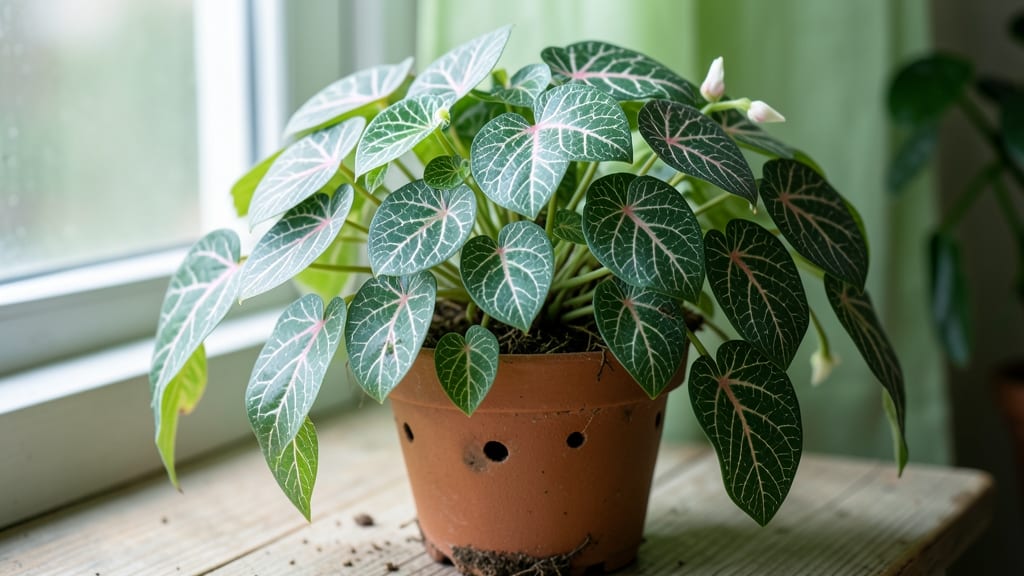
If your Nerve Plant 🌿 is looking pale or leggy, you’re probably asking yourself: how much light does a Nerve Plant need to stay vibrant and healthy?
This striking plant thrives in bright, indirect light—think of it as a sunbather who loves a breezy day by the pool, not a direct midday glare. Too little light, and those beautiful veins fade to a dull green.
Too much, and you’ll see crispy edges. Getting the balance right is the key to keeping your plant’s signature patterns popping.
I’ve seen firsthand how a simple adjustment in placement can transform a struggling Nerve Plant into a lush, thriving centerpiece. Whether you’re dealing with a dim corner or a south-facing window, I’ll show you exactly where to position it—and what to watch for when things go wrong.
Let’s dive into the ideal light conditions, how to spot signs of stress, and even how to supplement natural light if your space falls short. Your plant’s health depends on it!

Ideal light requirements for nerve plant growth: bright indirect light explained
Your Nerve Plant (Fittonia) thrives in bright indirect light, mimicking its natural understory habitat. Think of it as a plant that loves morning sunshine with afternoon shade—like a gentle breeze filtering through leaves. This balance keeps those stunning nerve-like veins vibrant and prevents sunburn or stretching.
Direct sunlight acts like a microwave for plant leaves—too intense, and you’ll see crispy edges. Meanwhile, low light dulls the foliage, making those signature patterns fade to a boring green.
The sweet spot? 4-6 hours of bright, filtered light daily, similar to what you’d find under a canopy of trees.
Here’s how to translate that into your home: place your plant 2-3 feet away from an east or west-facing window. South-facing windows can work, but use a sheer curtain to diffuse harsh afternoon rays. North-facing windows? You’ll likely need grow lights to supplement.
Seasonal changes matter too. In summer’s intense heat, move your plant further back or add a light filter. In winter’s dimmer days, rotate the pot weekly so all sides get equal exposure. This prevents lopsided growth and keeps your plant’s energy balanced.
| Light Condition | Description | Ideal Placement | Signs of Stress |
|---|---|---|---|
| Bright Indirect Light | 4-6 hours of filtered sunlight (e.g., east/west windows) | 2-3 feet from window with sheer curtain | Healthy variegation, compact growth |
| Low Light | Less than 2 hours of indirect light (e.g., north window) | Add grow light 6-8 inches above | Pale leaves, leggy stems, lost variegation |
| Direct Sunlight | More than 2 hours of direct rays (e.g., south window without filter) | Move to indirect spot or use sheer curtain | Brown crispy edges, bleached patches |
Artificial lighting can be a lifesaver if your space lacks natural light. LED grow bulbs (2700K-3000K color temperature) work best, placed 6-12 inches above the plant for 12-14 hours daily. I’ve used these in my own office setup—just rotate the plant weekly to prevent leaning.
Pro tip: Rotate your plant quarter-turns weekly. This ensures even growth and prevents your Nerve Plant from stretching toward one light source. Uneven light exposure causes lopsided foliage, which ruins the plant’s symmetrical beauty.
For outdoor growers, Nerve Plants make stunning shade garden additions. They thrive under dappled sunlight from trees or on porch railings with afternoon shade. Just avoid full sun—this plant isn’t built for harsh outdoor conditions.
Remember: variegation fades in low light, but the plant won’t die—it’s just telling you it’s bored. With the right light, those pink, white, or green veins will pop like confetti. Pay attention to the details, and your Nerve Plant will reward you with year-round color.
Signs your nerve plant has too much or too little light (and how to fix it)
Your Nerve Plant communicates its light needs through visual cues—pay close attention to these early warning signs. If the leaves turn pale green or lose their veins, it’s begging for more light.
Conversely, brown crispy edges or bleached patches mean it’s getting scorched. These aren’t just cosmetic issues; they’re stress signals that can stunt growth or even kill your plant if ignored.
I once had a Nerve Plant that stretched toward my window like a sunflower, with long, leggy stems and tiny leaves—classic low-light syndrome. The moment I moved it closer to bright indirect light, it perked up within weeks. The key is acting quickly before the damage becomes permanent.
Never move your Nerve Plant from low light to bright sun overnight—this causes sunburn. Instead, acclimate it gradually over 7-10 days by moving it 1-2 inches closer to the light source daily. The same goes for reducing light—slow transitions prevent leaf scorch or sudden wilting.
Let’s break down the specific symptoms and fixes for each light issue. Start by checking the leaf color and growth pattern—your plant’s veins are its mood ring. Healthy veins should be bold and vibrant; dull or faded veins mean it’s light-deprived.
For overlighted plants, watch for white or brown patches on the leaf edges.
Here’s my troubleshooting