
Plants
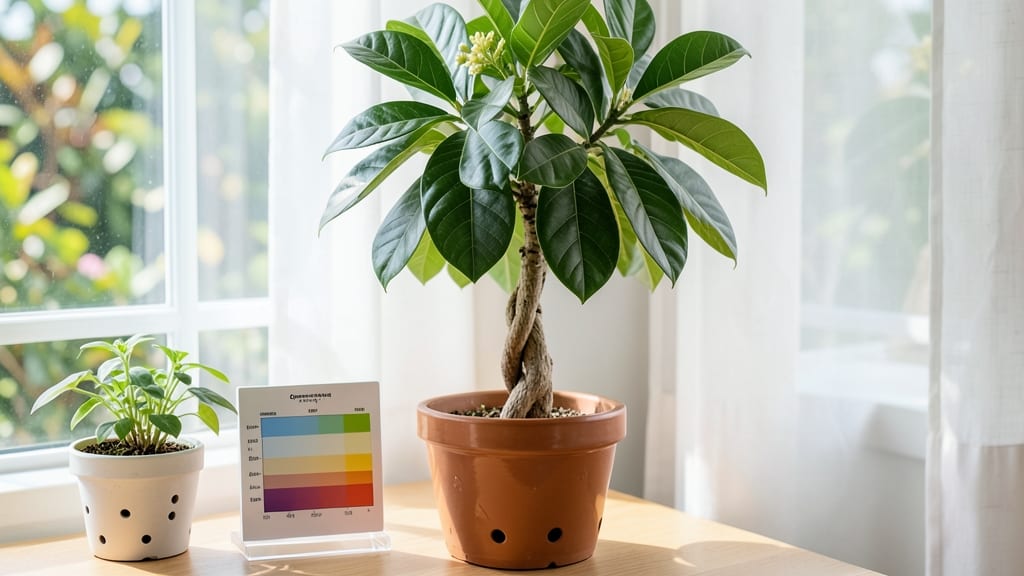
Ideal light requirements for money tree growth: bright indirect sunlight explained
The money tree (Pachira aquatica) thrives in bright indirect sunlight, making it perfect for indoor spaces with natural light. Too much direct sun can scorch its leaves, while low light slows growth and causes leggy stems. Finding the right balance ensures vibrant foliage and rapid development.
For optimal growth, place your money tree within 3-6 feet of an east- or north-facing window. These locations provide gentle morning light without harsh afternoon rays. South-facing windows can work but require sheer curtains to diffuse intensity.
In low-light conditions, your money tree will survive but may grow slowly with sparse leaves. If you notice yellowing leaves or stretched stems, it’s a clear sign it needs more light. Rotate the pot occasionally to ensure even exposure on all sides.
During winter months, natural light decreases, so supplement with a grow light if needed. LED grow lights placed 12-18 inches away for 6-8 hours daily can mimic sunlight and prevent dormancy.
| Light Condition | Ideal Placement | Growth Impact | Leaf Appearance |
|---|---|---|---|
| Bright Indirect Light | East/west windows, 3-6 ft away | Fast, lush growth | Deep green, glossy |
| Low Light | North corners, far from windows | Slow growth, leggy stems | Pale green, sparse |
| Direct Sunlight | South windows without shade | Burnt leaf edges, stunted growth | Brown/yellow patches |
| Artificial Grow Light | 12-18" away, 6-8 hrs/day | Balanced growth in low-light areas | Healthy green, uniform |
Seasonal changes affect light exposure—summer sun is more intense, while winter days offer weaker light. Adjust your money tree’s position every few months to maintain consistent bright indirect light year-round.
If you’re unsure about your home’s lighting, use a light meter app to measure foot-candles (ideal range: 500-1,000 ft-c). This helps pinpoint whether your space is too dark or too bright for optimal growth.
For outdoor money trees, provide partial shade during peak sun hours (10 AM–4 PM). Morning sun is ideal, but avoid placing it under harsh afternoon rays, which can cause leaf scorch.
Pro tip: Dust leaves every 2-4 weeks to maximize light absorption. A damp cloth removes dust buildup, allowing sunlight to reach the photosynthetic tissues more efficiently.
Remember, your money tree’s foliage color is the best indicator of its light needs. Aim for rich, deep green leaves—this means you’ve nailed the perfect balance of light!
Signs your money tree isn’t getting enough (or too much) light
Your money tree (Pachira aquatica) communicates its light needs through subtle—but unmistakable—clues. Yellowing leaves or stretched stems scream for more brightness, while brown tips or crispy edges mean it’s getting scorched. Paying attention to these visual cues lets you adjust care before the plant suffers permanent damage.
When your money tree isn’t getting enough light, its leaves may develop a pale, yellow-green hue—a classic sign of chlorosis. New growth might appear smaller than usual, and the plant may stop growing altogether.
Meanwhile, too much direct sunlight causes leaves to bleach or scorch, especially in hot afternoons. Both extremes stress the plant, so balancing light is key.
Here’s how to spot and fix the most common light-related issues:
If your money tree’s leaves are dropping prematurely, it could signal light stress or overwatering due to poor light balance. Check the soil moisture—if it’s too wet, reduce watering while adjusting the plant’s light exposure. Prune damaged leaves to encourage new, healthier growth and redirect energy to recovery.
For low-light conditions, consider supplementing with a grow light (12-14 hours/day) to mimic natural brightness. Place the light 12-18 inches away and adjust as the plant grows. This mimics the bright indirect sunlight your money tree craves without risking burns.
Regularly inspect your plant’s foliage for these early warning signs. Catching issues early means your money tree stays lush, vibrant, and full of that coveted good luck energy! 🌿