
How To
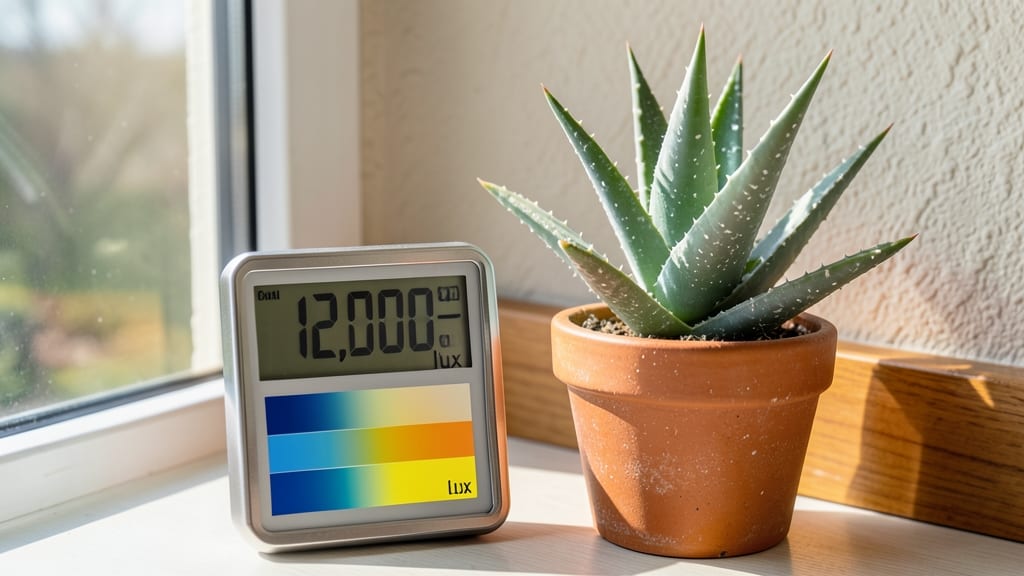
If you’re wondering how much light does an aloe plant need to stay vibrant and healthy, the answer lies in striking the perfect balance. The right amount of sunlight isn’t just about keeping it alive—it’s the key to thick, healthy leaves and that prized aloe gel we all love.
Too little light, and your plant stretches out like it’s desperate for rays, while too much can turn its edges crispy brown. Most aloe plants thrive with 6–8 hours of direct sun daily, but indoor setups or shady climates can throw off that perfect balance.
Let’s break down exactly how to get it right.
Whether you’re dealing with a sun-drenched windowsill or a dim corner, I’ll show you how to spot the signs of poor lighting and adjust your setup for stronger, happier growth. No guesswork—just science-backed tips to keep your aloe looking its best year-round.
Ready to transform your plant’s future? Let’s dive into the sunlight rules that’ll have your aloe thriving in no time.

Ideal sunlight requirements for aloe vera growth and health
Aloe vera thrives under bright, direct sunlight, but finding that perfect balance is key. As a succulent, it loves 6 to 8 hours of sunlight daily, but too much can scorch its leaves while too little makes it stretch and weaken.
Think of sunlight as its energy drink—just the right amount keeps it perky and productive.
For seedlings and young plants, start with 4 to 6 hours of indirect light to avoid shocking their delicate systems. Gradually increase exposure as they mature. Mature aloe plants, however, crave full sun exposure—especially if you’re growing them outdoors in warmer climates where they naturally flourish.
Here’s the science behind it: Aloe vera’s chlorophyll production peaks under direct sunlight, which boosts photosynthesis. This process turns light into energy, helping the plant grow thick, juicy leaves packed with those healing aloe vera gel benefits.
Without enough light, the plant struggles to produce energy efficiently, leading to weak, elongated growth.
The ideal light spectrum for aloe includes full-spectrum sunlight, particularly the blue and red wavelengths that drive photosynthesis. If you’re growing aloe indoors, a south-facing window is your best bet, as it captures the most intense sunlight throughout the day.
East or west windows can work too, but you may need to rotate the plant occasionally for even exposure.
In hotter climates (Zones 8-11), aloe can handle direct afternoon sun without issues, but in cooler regions (Zones 6-7), morning sun with afternoon shade prevents leaf burn.
This is where understanding your microclimate becomes crucial—your aloe’s needs might vary based on whether it’s baked in the desert sun or basking in a coastal breeze.
Let’s break down the light requirements by growth stage to help you tailor care:
| Growth Stage | Sunlight Needs | Indoor Placement | Outdoor Placement |
|---|---|---|---|
| Seedlings | 4–6 hours indirect light | North or east window | Partial shade, morning sun |
| Young Plants (6+ months) | 6 hours direct light | South or west window | Full sun with afternoon shade |
| Mature Plants | 6–8 hours direct light | Grow light or south-facing window | Full sun exposure |
| Winter (Dormant) | 4–5 hours bright light | Closest window or grow light | Partial shade |
Spotting light deficiency is easier than you think. If your aloe starts looking leggy and stretched, with leaves reaching far from the base, it’s begging for more light. The stems may also weaken and yellow, and the leaves could lose their vibrant green hue.
This is your plant’s way of saying, “I need more energy!”
On the flip side, too much direct sunlight can cause sunburn, visible as brown or white patches on the leaves. In extreme cases, the tips may crisp or dry out.
If you notice these signs, move your aloe to a shadier spot or provide afternoon shade with a sheer curtain. Think of it like sun protection for your plant’s skin—just enough to keep it healthy without frying it.
Pro tip: Rotate your aloe plant quarter-turns every few weeks to ensure even growth. Plants naturally lean toward the light, so this simple habit keeps them balanced and symmetrical. It’s like giving your aloe a mini vacation to explore all sides of its sunny world!
How to adjust light conditions for different environments
Aloe plants are famously adaptable, but their light needs can shift dramatically depending on whether they’re basking outdoors or tucked indoors. The key is understanding how to tweak their environment to match their 6–8 hour sun requirement.
Let’s break down how to optimize light for your aloe’s specific setup—whether it’s a sun-drenched patio or a dim office corner.
For outdoor aloe plants, aim for a spot with morning sun and afternoon shade if you’re in a hot climate. This prevents sunburned tips while still giving them the energy they crave.
If your aloe is in a container, rotate it weekly so all sides get even light exposure—uneven growth is a dead giveaway for poor lighting.
Indoor aloes often struggle the most, especially if you’re stuck with a north-facing window. Here’s the hard truth: most homes don’t get enough natural light for aloes to thrive long-term. If your plant is stretching toward the window like it’s reaching for a high-five, it’s time to supplement with a grow light. LED grow lights designed for succulents are your best bet—they mimic sunlight without the heat.
Seasonal changes can also throw off your aloe’s light balance. In winter, shorter days mean less natural light—supplement with a timer-controlled grow light to maintain that 12–14 hour light cycle.
Pro tip: Place your aloe near a south-facing window in winter, even if it’s not perfect. Every extra ray helps!
If you’re still unsure about your space, grab a light meter (they’re cheap!) or do a simple shadow test: Place a ruler next to your aloe at noon. If the shadow is shorter than the ruler’s length, you’ve got enough light. If it’s longer, it’s time to move or supplement.
Remember, aloes are tough—they’ll survive in less-than-ideal light, but they’ll never thrive without it. Treat them like the sun-worshippers they are, and you’ll reward yourself with a plump, gel-packed plant that’s ready for harvest anytime. 🌱