
Plants
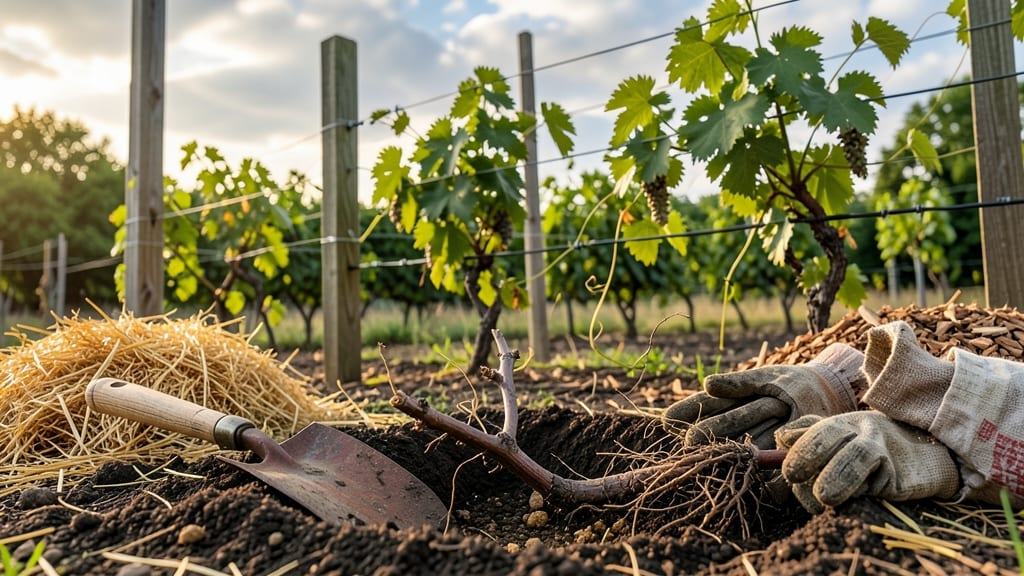
Timing your 🍇 grapes planting in Indiana could mean the difference between thriving vines and struggling young plants. With Zone 5b-6b winters and unpredictable spring frosts, getting it wrong can leave your vines vulnerable—or worse, wasted.
Most gardeners assume spring is the only option, but fall planting actually gives your grapes a head start on root growth before winter. I’ll break down the best months for both seasons, plus how to prepare your soil and protect your vines from Indiana’s tricky climate.
Whether you’re planting bare-root vines in April-May or container-grown varieties later, the key is matching your timing to the last frost date and soil conditions. Let’s make sure your grapevines get off to the strongest possible start.
You’ll also discover which varieties thrive best in Indiana, how to adjust for clay-heavy soils, and when to fertilize for maximum harvest potential. Ready to plant with confidence?
Spring vs fall planting for Indiana grapes: which season wins for root growth?
Indiana’s Zone 5b-6b climate creates a unique challenge for grape growers—deciding between spring and fall planting can make or break your vineyard’s success. Both seasons have advantages, but soil temperatures and frost risks play critical roles in Indiana’s unpredictable weather.
Let’s break down the pros, cons, and ideal timing for each approach.
Most Indiana gardeners prefer spring planting because it aligns with the last frost date (April 15) and gives vines time to establish roots before summer heat. However, fall planting (late September to November) can also work if you’re prepared for winter protection.
The key difference lies in how each season impacts root establishment and bud dormancy.
Spring planting (March–May) is ideal for bare-root vines because warm soil encourages rapid root growth before buds break. In Indiana, this means planting 4–6 weeks before your average last frost—typically by mid-April. Container-grown vines can be planted slightly later, even into early June, as long as they’re watered consistently.
Fall planting, on the other hand, allows vines to establish roots in cool but frost-free soil before winter dormancy. The window is narrow—late September to mid-November—and requires heavy mulching (4–6 inches of straw or leaves) to insulate roots from freezing. This method is riskier in northern Indiana due to early frosts but can yield stronger vines if done correctly.
Here’s how Indiana’s climate factors into each season’s success:
| Factor | Spring Planting (March–May) | Fall Planting (Sept–Nov) |
|---|---|---|
| Best Soil Temp | 50–60°F | 40–50°F |
| Root Growth | Fast (6+ weeks) | Moderate (4–6 weeks) |
| Frost Risk | Low (after April 15) | High (northern IN) |
| Watering Needs | High (summer droughts) | Low (autumn rains) |
| Best For | Bare-root vines | Container-grown vines |
For northern Indiana (Zone 5b), spring planting is the safer bet due to late frosts that can damage young fall-planted vines. In southern Indiana (Zone 6b), fall planting can work if you mulch heavily and avoid planting after October 15.
Always check your local USDA frost map to refine your timing.
If you choose spring planting, aim to finish by mid-May to avoid summer heat stress. For fall planting, wrap vines in burlap and bury the base with straw mulch (6+ inches) to protect roots.
Both methods require well-draining soil—Indiana’s clay-heavy soils often need amendments like compost or sand to prevent waterlogging.
Pro tip: Soak bare-root vines in water for 2–4 hours before planting to revive roots. For container-grown vines, trim any damaged roots and loosen the root ball gently. This small step can double your vine’s survival rate in Indiana’s variable climate.
Regardless of season, trellis installation should happen before planting. Grapes need support to climb, and setting up a 5–6 ft tall trellis now saves time later. Use T-posts or sturdy wires—Indiana’s winds can topple flimsy structures.
Finally, monitor your vines for early signs of stress, like yellowing leaves or stunted growth. In Indiana, powdery mildew is a common issue—spray with neem oil preventatively if humidity rises above 70%.
With the right timing and care, your grapes will thrive whether planted in spring or fall.
Spring vs fall planting for Indiana grapes: which season wins for root growth?
Indiana’s Zone 5b-6b climate offers two prime windows for planting grapes: spring (March-May) and fall (September-November). Each season has distinct advantages—and risks—that can make or break your grapevine’s success. Spring planting is more common, but fall often gives vines a head start on root growth before winter dormancy.
For spring planting, aim to get bare-root vines in the ground 4-6 weeks before last frost (typically by April 15 in most of Indiana). This timing lets roots establish before buds break, reducing transplant shock.
Container-grown vines can be planted slightly later, even into early June, but they’ll need extra care to catch up.
Fall planting, on the other hand, allows vines to root deeply before winter, emerging stronger in spring. The ideal window is September-October, giving roots 6-8 weeks to settle before the ground freezes. However, planting too late (November) risks frost damage to tender new roots.
🚨 CRITICAL FACTOR: Soil temperature must be above 50°F (10°C) for planting—warmer than air temperature! Use a soil thermometer to check before digging. Cold soil slows root growth and increases disease risk.
Spring vs. Fall Planting Comparison
| Factor | Spring Planting | Fall Planting |
|---|---|---|
| Best Months | March-May | September-October |
| Root Growth | Moderate (active season) | Strong (6-8 weeks before frost) |
| Frost Risk | Late frosts can damage new shoots | Winter kill if planted too late |
| Soil Prep | Amend with compost | Add mulch for insulation |
| Watering Needs | High (establishing season) | Moderate (reduce before frost) |
💡 Pro Tip: For fall plantings, cover young vines with 4-6 inches of mulch to insulate roots during winter.
Northern Indiana’s Zone 5b areas (like Gary or South Bend) face earlier frosts, so adjust planting dates 2-3 weeks earlier than southern Indiana (Zone 6b). For example, plant in late March for spring or early September for fall in northern regions.
Regardless of season, avoid planting when soil is waterlogged—Indiana’s clay soils can become soggy after heavy rains. Test drainage by digging a hole: if water doesn’t drain within 6 hours, amend with sand or compost to improve structure.
Well-drained soil prevents root rot, a silent killer of young grapevines.
🌱 Whether you choose spring or fall, the key is preparation. Next, we’ll cover the best grape varieties for Indiana and their exact planting windows to maximize your harvest potential.